What if the greatest obstacle to learning to swim isn’t water itself, but the fear and anxiety that hold us back at any age? This compelling exploration reveals how taking that first courageous step—whether dipping toes into shallow water or floating supported—can transform fear into confidence. Designed to reassure and motivate, it emphasizes small, manageable actions, patience, and positive reinforcement as keys to overcoming water-related anxieties rooted in childhood trauma, past experiences, or innate survival instincts. With practical guidance on breathing techniques, safety measures, and supportive environments, learners of all ages can reframe water as a space of freedom rather than fear. Real-life stories illustrate how conquering water fears leads to newfound safety, enjoyment, and adventure in everyday life, opening doors to lifelong waterside experiences. Are you ready to turn your water fears into a journey of empowerment and discovery?
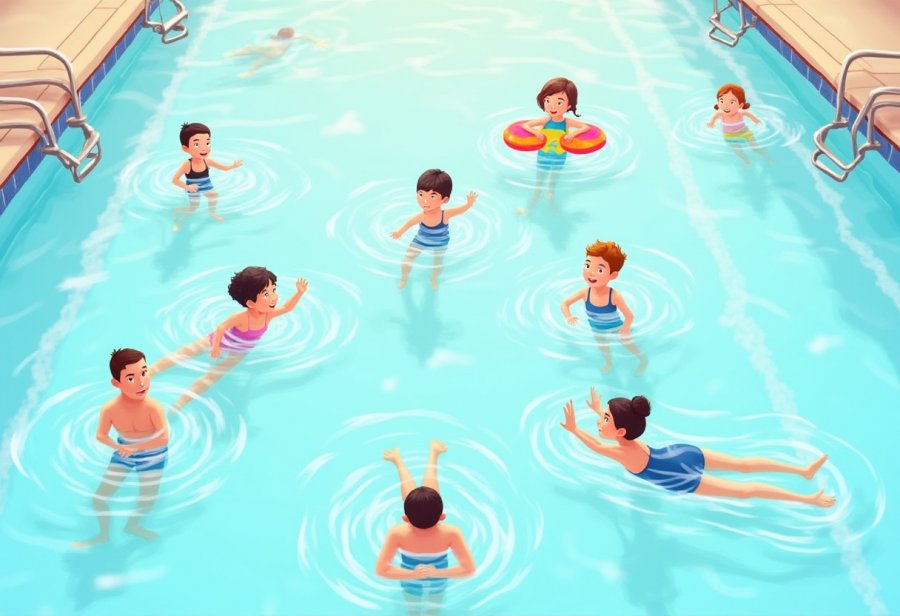
Transform Your Water Experience: Overcome Fear at Any Age
Learning to swim isn’t just a childhood milestone; it’s a skill that can truly change how you see and experience water at any age. For many adults and older teens, the idea of stepping into a pool or open water can bring up memories of hesitation or fear. That’s completely normal. Water can feel intimidating, especially if negative experiences or long-held anxieties have built up over time. But taking that first step—whether it’s dipping toes into a shallow pool or floating for the first time—can be a powerful turning point.
Starting this journey often feels like a leap into the unknown. Yet, in reality, it’s a series of small, manageable steps that gradually build trust and confidence. The first act of bravery might be sitting on the pool’s edge or splashing in shallow water, but these moments lay the groundwork for bigger progress. Approaching each session with patience and a positive mindset makes a difference, because progress isn’t always linear. Every tiny victory, like floating or splashing, chips away at anxiety and shows that water can be handled safely.
Creating a calm environment is key. Beginning in shallow water where you can stand comfortably helps you feel supported and in control. Using flotation aids like kickboards or armbands can boost your sense of security as you practice basic movements. Remember, these aids are tools for building confidence, not crutches—your goal is to feel more at ease at your own pace. As comfort grows, nerves begin to settle, and the water becomes less of an obstacle and more of a space to explore.
Breathing techniques are essential for calming nerves. Deep, slow breaths before and during water practice help slow your heart rate and reduce feelings of panic. Focusing on inhaling through the nose and exhaling through the mouth fosters relaxation. Keep your movements relaxed as tension only makes discomfort worse. Visualization exercises, imagining yourself feeling calm and in control, can reinforce positive feelings and help you stay centered.
Every small step counts—whether it’s dipping your toes, sitting on the edge, or floating with support. These moments, though seemingly minor, are building blocks of water confidence. Each one reduces fear and reinforces your ability to manage the water safely. The key isn’t perfection but consistent progress. Over time, these small victories accumulate into genuine comfort and trust in the water.
Setting realistic, achievable goals keeps motivation high. For today, it might be spending five minutes in the shallow end or floating with support. As these activities become easier, you can gradually expand your comfort zone. Patience is essential. Rushing can backfire, making fears seem more overwhelming. Instead, focus on gentle progress, trusting that each step forward is a move closer to feeling truly at ease.
Safety is always a priority. Never push past your comfort level without supervision. Having a trained instructor or a responsible adult nearby provides reassurance and immediate assistance if needed. Using gear like goggles or floatation devices adds an extra layer of confidence, helping you feel more in control. Learning how to safely enter and exit the water, along with basic water safety, strengthens your sense of security and smooths the learning process.
Building water confidence at any age is about creating a positive, safe experience at your own pace. Each small step—relaxing in shallow water, practicing breathing, or floating—reinforces your trust in yourself and the water. With patience and persistence, those initial feelings of hesitation can transform into genuine comfort. Starting today with gentle, deliberate actions can turn water from a source of fear into a space of possibility and freedom. The first step might be the hardest, but it’s also the most important—it sets you on a path toward lifelong confidence in the water.
Decode Water Fear: Origins and Emotional Roots
Many people experience water fear rooted in natural instincts or early experiences. Common worries include the fear of drowning, feeling out of control, or simply the unfamiliar sensation of being submerged. These concerns often develop during childhood, especially if negative incidents like slipping, choking, or near-drowning have occurred. Such experiences can leave a lasting impression, making water seem threatening rather than inviting. For adults, these fears may stem from past trauma, feelings of helplessness, or a lack of confidence in swimming skills. No matter the origin, these worries are deeply emotional and can persist well into later years.
Our instinctual responses play a significant role in water fear. From a young age, many of us develop a natural wariness of water as a survival mechanism—an innate caution to prevent drowning or losing control. This built-in caution can be reinforced by negative memories or stories from others, creating a mental association between water and danger. When submerged or near unfamiliar water, feelings of vulnerability and helplessness surface, intensifying the perception that water is unsafe. These reactions aren’t solely about physical safety; they reflect perceptions of control, safety, and emotional security.
Historically, attitudes toward water safety have shifted over centuries. In ancient civilizations like Egypt and Greece, swimming was essential for survival and military training, yet fears of drowning persisted due to limited safety knowledge. During medieval and early modern times, many avoided water altogether, perceiving it as a peril to be feared. It wasn’t until the 19th century, with organized swimming lessons and the rise of public pools, that water began to be seen as a skill that could be learned rather than a danger to avoid. Today’s improved safety standards and teaching methods continue to make water less intimidating for learners of all ages.
Understanding where water fear originates can be empowering. Recognizing that these fears are natural and common helps normalize the process of overcoming them. Whether rooted in childhood experiences or adult trauma, fears can be managed through gradual exposure, patience, and positive reinforcement. Tailored approaches—such as starting in shallow water, using flotation aids, and practicing relaxation techniques—address specific anxieties and build trust. Taking small, consistent steps allows learners to reframe water from a threatening space into a safe environment of exploration and growth.
Creating a supportive environment is crucial. Having trained instructors or caring adults nearby provides reassurance and immediate assistance, which significantly reduces anxiety. Using visual aids, floatation devices, and gentle exercises outside of formal lessons helps reinforce safety and comfort. This approach emphasizes patience and steady progress, helping learners see that fears are manageable rather than insurmountable. When fears are acknowledged without judgment, they become easier to confront, transforming water from a source of dread into a space of confidence.
Fears around water are a common human response, not a sign of weakness or incapacity. With understanding and gentle guidance, these fears can be addressed step by step. Recognizing that anxiety is part of the learning process allows individuals to approach their journey with compassion. Over time, each small success—whether it’s sitting in shallow water or floating with support—builds resilience. Conquering water fear at any age isn’t about instant mastery; it’s about creating a foundation of trust and safety that opens up a world of water-based opportunities and adventures.
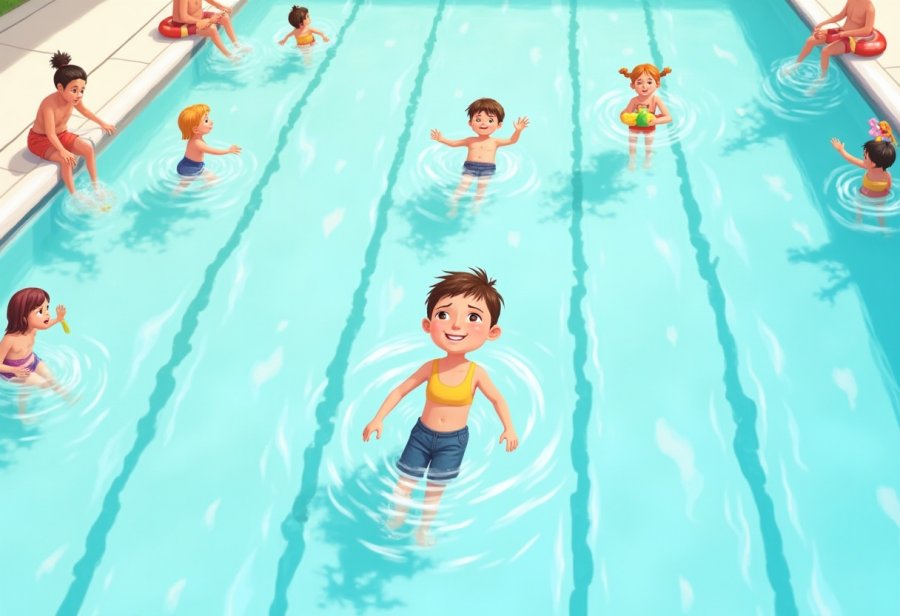
Embark on Your Confidence Journey: Small Steps Toward Water Ease
Starting your water confidence journey doesn’t mean diving into the deep end or trying to master advanced strokes right away. Instead, it’s about taking small, manageable steps that gradually build trust and familiarity with water. Begin by sitting on the pool’s edge, splashing your hands in shallow water, or simply getting your face wet. These simple actions might seem minor, but they lay the foundation for bigger steps ahead. Approaching each session with patience and a positive outlook helps make progress feel natural and achievable because growth rarely happens in straight lines.
Creating a calm environment is essential. Choose a shallow area where you can stand comfortably, feeling supported by the pool’s bottom. Flotation aids like kickboards or armbands can provide extra reassurance, allowing you to practice basic movements without feeling out of control. Remember, these tools are stepping stones, not crutches—they help you build confidence at your own pace. As your comfort grows, nerves will gradually settle, and the water will start to feel less intimidating and more like a safe space for exploration.
Breathing techniques play a crucial role in calming your nerves. Practice slow, deep breaths before and during your water time. Inhale through your nose and exhale slowly through your mouth, which helps slow your heart rate and reduce feelings of panic. Keeping your movements relaxed is vital; tension only amplifies discomfort. Visualization exercises—imaging yourself calm and in control—can reinforce positive feelings and keep your mind centered on progress rather than fear.
Celebrate every small victory, whether it’s dipping your toes, sitting on the pool’s edge, or floating with support. These moments are your building blocks of water confidence. Each one chips away at anxiety and reinforces your ability to handle the water safely. Remember, perfection isn’t the goal—consistent, gentle progress is. As you accumulate these small successes, they create a powerful sense of accomplishment and trust in your abilities.
Setting realistic goals helps maintain motivation. For today, it might be just spending five minutes in the shallow end or floating with support. As activities become easier, you can gradually expand your comfort zone. Patience is key—rushing can backfire, making fears seem more overwhelming. Focus instead on gentle, steady steps, trusting that each small move takes you closer to feeling at ease in the water.
Safety is always a priority. Never push past your comfort level without supervision. Having a trained instructor or a responsible adult nearby provides reassurance and quick help if needed. Using gear like goggles or floatation devices adds confidence, giving you a sense of control. Learning how to safely enter and exit the water, along with basic safety practices, strengthens your sense of security and makes your journey smoother.
Building water confidence is a personal process that unfolds at your own pace. Each small step—relaxing in shallow water, practicing breathing, or floating—reinforces your trust in yourself and the water. With patience and persistence, those initial feelings of hesitation will turn into genuine comfort. Starting today with gentle, deliberate actions transforms water from a source of fear into a space of possibility and freedom, setting you on a path toward lifelong confidence in the water.
Conquer Water Anxiety at Any Age: Strategies for All Generations
Overcoming water fear isn’t just about teaching someone to swim; it’s about addressing the emotional barriers that hold people back at any age. For children, fears often stem from unfamiliarity or negative early experiences, like slipping or choking. Making water fun and non-threatening helps them build trust and positive associations early on, transforming anxiety into curiosity. Playful activities, colorful floatation devices, and gentle guidance create a safe environment where confidence can blossom naturally.
For adults, the challenges can be different but equally manageable. Past trauma, feelings of helplessness, or simply lacking confidence in swimming skills can intensify anxiety. The key is to start slowly, focusing on shallow water and relaxation techniques. Breaking the process into small, achievable steps—like sitting at the pool’s edge, blowing bubbles, or floating supported—allows adults to rebuild trust in their abilities without feeling overwhelmed. Patience and encouragement are essential, as progress may be gradual but steady.
Both age groups thrive when they’re supported in a nurturing environment. Having a trained instructor or caring adult nearby provides reassurance and immediate help, reducing the fear of the unknown. Using flotation aids or goggles can also boost confidence, giving a sense of control over the water. These tools aren’t crutches; they’re stepping stones that help learners feel supported as they face each new challenge. The focus should always be on gentle, consistent progress rather than rushing toward mastery.
Recognizing that water fear is a natural response helps normalize the journey. It’s not a sign of weakness but a common human reaction to unfamiliar situations. Approaching it with patience and compassion allows learners to confront their anxieties without judgment, gradually shifting their perspective from danger to opportunity. Celebrating small victories—like sitting in shallow water or floating—reinforces that fears can be managed and overcome over time.
Rushing or pushing too hard can backfire, increasing anxiety and reinforcing negative feelings. Instead, each small success should be celebrated as a step forward, building resilience and trust. Overcoming water fear at any age requires persistence, but the rewards—confidence, safety, and a lifelong love of water—are well worth the effort. With the right mindset and support, anyone can conquer their fears and discover the freedom and joy that come with feeling at home in the water.
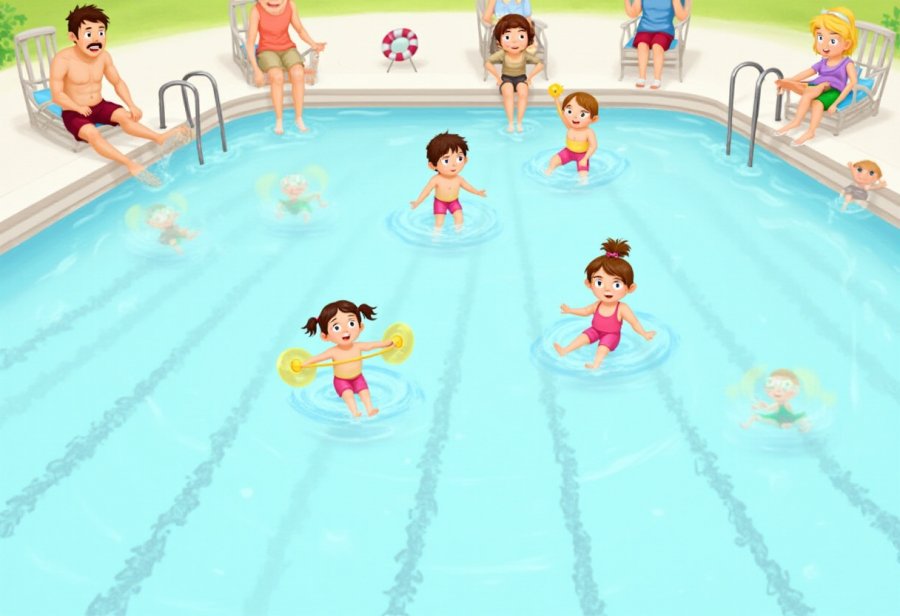
Real-Life Triumphs: How Overcoming Water Fear Enhances Safety and Joy
Overcoming water fears has a profound effect that extends far beyond simply learning to swim. When confidence in the water is achieved, everyday activities like heading to the beach, lounging by the pool, or even boating become less stressful and more enjoyable. Instead of dreading potential mishaps or feeling overwhelmed, you can focus on the experience itself, opening the door to spontaneous adventures and new experiences that once seemed out of reach. This newfound ease transforms water from a source of anxiety into a space of relaxation and fun, enriching your leisure time and social outings.
Safety is another critical benefit that comes with conquering water fears. When you’re comfortable in the water, panic no longer clouds your judgment in unexpected situations. Whether supervising children, assisting a friend, or navigating open water, a calm, confident mindset makes all the difference. Knowing basic skills like floating or treading water can prevent panic in emergencies, turning potentially dangerous moments into opportunities for quick, effective responses. Confidence in the water not only protects you but also enhances the safety of everyone around you, especially in unpredictable environments like lakes or oceans.
Real-world stories vividly illustrate these benefits. Take Maria, who always felt uneasy around water due to a childhood scare. After patient, gradual training, she now swims effortlessly and enjoys family trips to lakes and pools without hesitation. Her confidence has boosted her overall self-esteem, inspiring her to encourage others facing similar fears. Then there’s James, who experienced trauma in the water as a teen. Through persistent, supportive practice, he now swims confidently in open water and even volunteers to teach beginners, transforming his fear into purpose and leadership.
Building water confidence also improves safety for everyone involved. When you feel secure in water, you’re more aware of potential hazards and better equipped to respond calmly. This sense of control encourages responsible behavior, like watching out for others and avoiding risky situations. Your example can influence friends and family, especially children, helping them develop healthy attitudes toward water—trust, respect, and enjoyment rather than fear. In this way, overcoming personal water fears creates a ripple effect, fostering a safer and more positive water environment for all.
Ultimately, the impact of conquering water fears goes well beyond individual achievement. It unlocks a world of possibilities—exploring new hobbies like snorkeling, paddleboarding, or even open water swimming. Each new activity reinforces your skills and deepens your trust in the water, creating a cycle of growth and adventure. More importantly, it shifts your perception of water from a source of dread to a space of freedom, exploration, and joy. The transformation isn’t just about safety or skill; it’s about embracing water as a lifelong friend and companion in your journey of confidence.