Imagine transforming daily walks from chaotic tug-of-war into peaceful bonding moments—this is the promise of mastering calm leash walking with your dog. Why do so many owners struggle with pulling, distractions, or behavioral issues that turn what should be enjoyable outings into stress-filled routines? This guide reveals how patience, consistency, and positive reinforcement can turn your dog into a focused, relaxed companion. Through step-by-step strategies, tailored training tips, and real-world success stories, you’ll discover how to build trust, reduce anxiety, and strengthen your bond. Are you ready to unlock the secret to harmonious walks and deepen your connection? With practical advice on handling common challenges and affordable tools, you’ll find that calm leash walking isn’t just a skill—it’s a pathway to a happier, more obedient dog and a more fulfilling relationship. Every step taken in patience brings you closer to shared joy and mutual understanding.
Build a Stronger Bond with Calm Walking
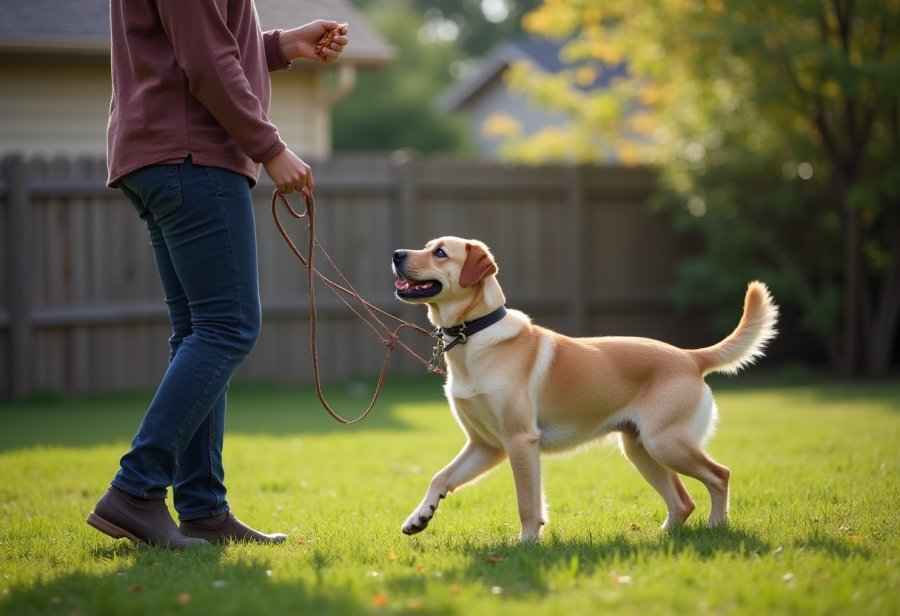
Walking calmly with your dog isn’t just about keeping things under control—it’s about building a stronger, more trusting bond between you both. When your dog learns to walk peacefully by your side, what starts as a routine activity turns into a shared moment of connection. This calm approach sets the tone for relaxed walks, making it easier to focus on each other instead of distractions like barking, pulling, or chasing after squirrels.
Mastering calm leash walking also creates a foundation of trust. Your dog begins to see walks as safe, predictable times where they can relax and stay close. This sense of security encourages better listening and responsiveness to cues, which makes daily training and outings smoother and more enjoyable. Approaching this goal with patience and consistency is key; your calm attitude helps your dog mirror that same tranquility.
When you set a peaceful tone during walks, it transforms a potentially chaotic experience into a shared ritual of respect and understanding. Instead of feeling like a tug-of-war, walks become opportunities for bonding—moments your dog looks forward to because they feel secure and valued. With each calm step, you reinforce your role as a confident leader, helping your dog feel more confident in their environment.
Once you get the hang of it, peaceful leash walking turns everyday routines into enjoyable, stress-free moments. Instead of battles for control, you create a environment where trust and calmness flourish. This not only makes walks more pleasant but also deepens your connection, making every outing a chance to strengthen your relationship.
Understanding Dog Behavior and Training Foundations
Understanding dog behavior is key to teaching them how to walk calmly on a leash. Dogs are naturally curious creatures driven by instincts to explore their surroundings. This curiosity often leads to pulling, lunging, or getting easily distracted during walks if not guided properly. Recognizing these tendencies helps you develop training strategies that align with your dog’s instincts rather than fighting against them. When you understand what motivates your dog, you can use positive reinforcement and consistent cues to shape their behavior effectively.
Training principles like patience, consistency, and positive reinforcement serve as the foundation for good leash manners. Dogs thrive on routines and clear signals. Using the same commands and handling techniques every time creates predictability, which helps your dog feel secure and focused. Rewarding calm behavior with treats and praise encourages them to repeat those behaviors, making training more effective and enjoyable.
The choice of equipment also plays a significant role. Whether it’s a harness, collar, or leash, selecting gear suited to your dog’s size and temperament can improve control and comfort. Proper equipment reduces discomfort and minimizes resistance or pulling, making training sessions smoother and more productive. It’s a simple step that can make a big difference in how well your dog responds.
Calm leash walking is more than obedience; it’s about building a trusting relationship where your dog feels safe and understood. Paying attention to their body language and cues allows you to adjust your handling and reinforce positive behaviors. This awareness fosters a stronger bond, as your dog begins to see walks as positive, predictable experiences rather than stressful events.
Dogs respond best to positive associations. Offering treats, praise, or toys when they walk calmly helps them learn that peaceful behavior leads to good things. This creates an environment where your dog is motivated to stay focused and close, turning training into a rewarding experience for both of you.
Training methods have evolved toward gentle, trust-based techniques. Clicker training and reward-based systems foster cooperation without fear or resistance. These approaches are especially effective for dogs prone to pulling or distraction, helping them develop a confident, calm attitude that makes walks more enjoyable.
Having a solid understanding of your options allows you to tailor your training plan to suit your dog’s personality. Whether following a simple routine or a structured program, knowing the basics of dog psychology and behavior helps you choose techniques that work best. This foundation makes the journey toward calm leash walking more manageable and ultimately more satisfying.
Overcoming Common Walk Challenges
Many dog owners find their daily walks more frustrating than enjoyable. It’s common to see dogs pulling ahead, fixated on every scent or movement around them. Instead of a peaceful stroll, it often feels like a tug-of-war, with the dog eager to explore and the owner trying to regain control. Lunging at passing cars, barking at other dogs, or darting after distractions make these walks stressful for everyone involved. These behaviors can quickly turn what should be relaxing outings into sources of anxiety and irritation.
Owners often struggle to keep their dogs focused when distractions arise. Whether it’s a squirrel in the yard or a loud noise on the street, many dogs lose attention at the worst moments. Without consistent training, these distractions tend to override commands, resulting in more pulling and less cooperation. As a result, walks become unpredictable and less enjoyable, often leading owners to feel overwhelmed or defeated.
Distractions are a natural part of a dog’s curiosity, but they also challenge their ability to stay calm and attentive. Even well-trained dogs can become overwhelmed by sights, sounds, or smells, especially if reinforcement has been inconsistent. This makes it harder to maintain control and can cause frustration for owners trying to teach better leash manners.
Some owners resort to quick fixes like harsh corrections or pulling on the leash, but these often backfire. Such methods can create fear or resistance, making behavior issues worse. Without a clear, positive routine, progress stalls, and frustration builds. Recognizing these common hurdles is the first step toward turning walks into peaceful, bonding moments.
Many accept these challenges as part of owning a dog, settling for walks that feel more like battles than shared joy. But with patience, consistency, and the right techniques, those chaotic outings can become calm, enjoyable routines. Small, steady efforts to reinforce good behavior gradually transform daily walks into opportunities for connection and trust.
Budget-Friendly Strategies for Effective Training
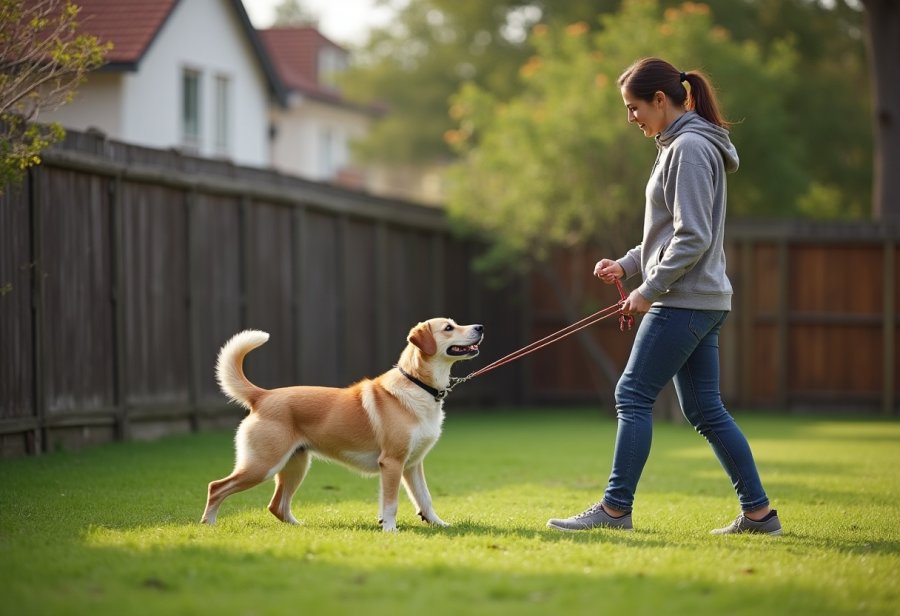
Investing in calm leash training doesn’t have to break the bank. Basic tools like a comfortable harness or collar and a sturdy, reliable leash are affordable—often under $50—and can make a significant difference in your dog’s control and comfort during walks. Choosing the right equipment early on helps set your dog up for success, making consistent progress more achievable without added expense. Well-fitted gear can prevent discomfort and resistance, smoothing out training sessions and encouraging your dog to stay focused and relaxed.
Beyond gear, professional training classes or private sessions offer another valuable investment. The costs vary—group classes tend to be budget-friendly, while private trainers may charge more—but both options can accelerate your dog’s learning curve. Spending on expert guidance often saves time and frustration, helping you avoid common pitfalls and ensuring your training is effective from the start. Think of it as paying for a shortcut to safer, more enjoyable walks.
Long-term, a well-trained dog reduces the risk of costly accidents, like sudden pulls into traffic or destructive behaviors that require additional training later. Calm leash walking also minimizes behavioral issues that could escalate into more serious problems, ultimately saving money and stress down the line. The initial expense is small compared to the peace of mind and safety it provides.
You don’t need high-end tools or endless supplies to get started. Many effective techniques rely on treats from your pantry, homemade rewards, and consistent practice. Regular, positive reinforcement builds good habits, making training both affordable and accessible. Over time, these small investments of time and effort translate into lasting improvements in your dog’s behavior.
Looking at the bigger picture, the costs associated with training are minor when weighed against the benefits. Safer walks, a stronger bond, and a more obedient dog all contribute to a happier household. Staying consistent with affordable tools and techniques ensures that calm leash walking remains within reach for every owner, regardless of budget.
In the end, the financial considerations of training boil down to investing in your dog’s well-being and your peace of mind. The value of peaceful, controlled walks far outweighs the initial costs. With a few simple tools and a commitment to regular practice, you’ll find that creating a calm, enjoyable walking routine is not only feasible but also deeply rewarding.
Real-Life Success Stories of Calm Leash Walking
Calm leash walking can truly change everyday life with your dog, turning stressful routines into moments of genuine connection. Imagine strolling through your neighborhood without the tug-of-war, your dog walking steadily at your side, eyes attentive and relaxed. These peaceful walks aren’t just more enjoyable—they’re safer, reducing the risk of accidents and making outings more predictable for both of you.
Many owners share stories of how consistent training shifted their walks from chaos to calm. Sarah’s Labrador used to pull ahead, barking and lunging at every distraction. After dedicated practice, their walks became relaxed and focused, strengthening their bond and boosting her confidence as a handler. Similarly, James reports that his energetic Border Collie, Luna, now enjoys outings in busy parks without pulling or darting, making every walk a positive experience.
Beyond behavior, these calmer outings improve household harmony. Dogs that learn to stay focused during walks tend to be more attentive at home, reducing destructive habits and making training easier. This consistency not only builds trust but also helps your dog feel more secure, leading to fewer behavioral issues overall.
Walking in calmness encourages your dog to see walks as safe, enjoyable times rather than stressful events. As a result, the emotional bond deepens—your dog learns that the walk is a positive, predictable experience. This mutual understanding fosters a sense of teamwork, making daily routines less of a chore and more of a shared adventure.
The benefits extend beyond just the walk itself. A dog that walks calmly is often more relaxed in other settings, from car rides to visits to the vet. Owners notice a reduction in anxiety and stress, making everyday interactions smoother and more pleasant for everyone.
Seeing these real-world successes proves that patience and consistent effort really pay off. Small steps forward can lead to dramatic improvements, transforming challenging outings into peaceful, joyful moments. With each calm walk, you’re not just training a well-behaved dog—you’re nurturing a relationship rooted in trust, respect, and mutual happiness.
A Step-by-Step Guide to Calm, Focused Walks
To start training your dog to walk calmly at your side, find a quiet spot with minimal distractions, like your backyard or a quiet neighborhood street. Begin with a clear command such as “heel” or “walk” to signal it’s time to practice. Keep the leash loose—tension only encourages pulling—and reward your dog immediately when they walk beside you without pulling, using treats or praise. Short sessions of five to ten minutes are most effective, as they help your dog stay focused and prevent frustration.
Once your dog masters this in a calm environment, gradually introduce light distractions like passing pedestrians or distant sounds. When your dog remains focused and stays close, reward generously to reinforce that calm walking brings positive results. If your dog pulls ahead or gets distracted, gently stop walking, call them back to your side, and reward when they return. This teaches that staying close is more rewarding than pulling forward.
As your dog improves, start practicing in more stimulating places, such as parks or busy sidewalks. These environments challenge their focus but can be mastered with patience and consistent reinforcement. Use treats and praise often, especially when they ignore distractions and stay at your side. Increase difficulty gradually, but always reward calm behavior to build lasting habits.
Your own demeanor plays a crucial role. Dogs pick up on your energy, so stay relaxed and confident. Use a calm voice, avoid rushing, and maintain patience—your calm attitude encourages your dog to mirror that same tranquility. Remember, training is a process; celebrate small successes along the way and keep practicing regularly.
Be prepared for setbacks—they’re normal. If your dog ignores cues or pulls back, revisit simpler routines and reinforce what they already know. Consistency and patience help your dog feel secure and motivated to try again. Over time, these small steps will lead to calm, focused walks that strengthen your bond and create enjoyable outings.
Troubleshooting Training Hurdles and Staying on Track
Training a dog to walk calmly at your side can come with its fair share of hurdles, but knowing how to handle these obstacles makes all the difference. Distractions are one of the most common challenges—dogs are naturally curious and respond strongly to sights, sounds, and smells. When overwhelmed, they tend to pull, lunge, or get easily sidetracked. Starting training in quiet environments and gradually adding light distractions helps your dog learn to stay focused without feeling overwhelmed. Patience and consistent reinforcement are key to managing these moments.
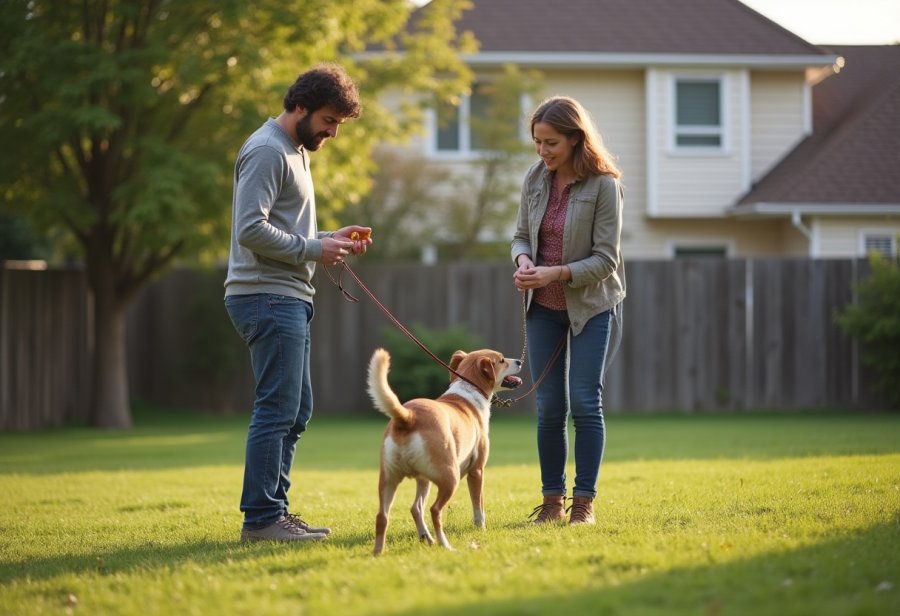
Inconsistent handling can also stall progress. Different family members using varying commands or techniques confuse your dog and slow learning. Establishing clear routines and sticking to the same cues ensures your dog understands what’s expected, building trust and reducing setbacks caused by mixed signals. When everyone is on the same page, your dog can focus better and progress faster.
Some dogs resist training because they’re anxious or overwhelmed. Rushing the process or pushing too hard can backfire, making your dog more resistant or fearful. Breaking training into small, manageable steps and celebrating each success helps build confidence. For dogs with anxiety, working with a professional trainer can provide tailored strategies that foster calmness and trust without pressure.
Leash pulling remains a stubborn issue. When your dog pulls ahead, pulling back often increases tension. Instead, stop immediately, call your dog back to your side, and reward when they return. This teaches that staying close is more rewarding than pulling forward. Consistent responses to pulling help your dog learn appropriate leash manners over time.
Progress may stall at times, which is normal. Dogs learn at different speeds, and setbacks happen. If your dog ignores cues or regresses, revisit simpler routines and reinforce what they already know. Patience and consistency create a sense of security, motivating your dog to try again. Sometimes, seeking advice from a professional trainer offers fresh insights and personalized solutions.
By recognizing these common hurdles and addressing them head-on, you turn challenges into opportunities for growth. Staying calm and persistent helps your dog feel safe and confident, making training more effective and enjoyable. Over time, these obstacles become part of the process, leading to calmer, more focused walks that strengthen your bond.