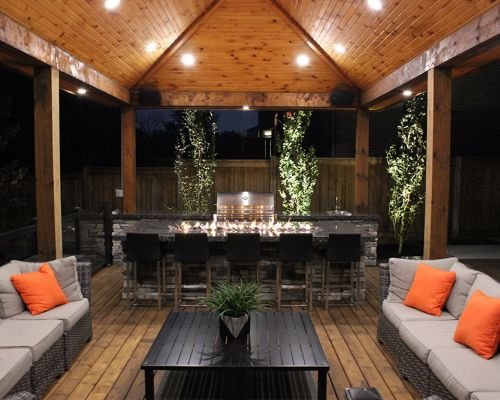
Imagine transforming your Toronto yard into a stunning outdoor sanctuary that seamlessly balances beauty, sustainability, and personal needs—what’s stopping you from creating a space that not only delights the senses but also respects the environment? This guide explores innovative landscape design that incorporates native plants, eco-friendly materials, and resilient features tailored to Toronto’s climate. From cozy fire pits and outdoor kitchens to vertical gardens and smart lighting, discover how to maximize space and functionality, even in smaller yards. More importantly, it emphasizes engaging with homeowners to craft personalized retreats that reflect their lifestyle and values, fostering trust and satisfaction. As technology and sustainable practices continue to evolve, the future landscape of Toronto outdoor spaces promises smarter, greener, and more adaptable retreats. Are you ready to embrace these innovations and turn your outdoor area into a year-round haven that’s both beautiful and responsible?
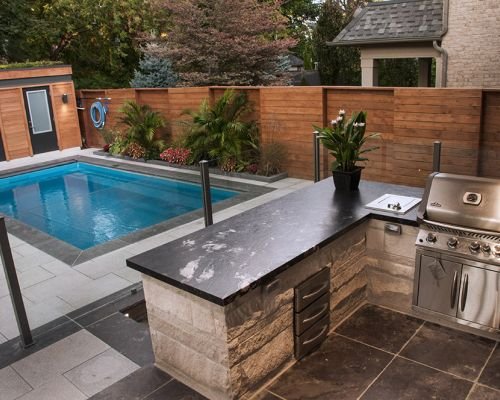
Transform Your Toronto Backyard Into a Personal Sanctuary
Transforming a Toronto backyard into a beautiful outdoor retreat is about more than just adding plants or stylish furniture; it’s about creating a space that genuinely enhances your lifestyle. In a city where outdoor space can be limited and weather changes quickly, thoughtful design can turn an ordinary yard into a personal sanctuary. Whether you dream of a cozy corner for mornings or a lively area for gatherings, strategic planning makes all the difference.
A well-designed backyard balances visual appeal with practicality and eco-friendliness. It should reflect your personality while seamlessly integrating with your home. Incorporating native plants that thrive locally helps reduce water use and maintenance, making your outdoor space both attractive and sustainable. Durable materials, smart lighting, and a logical layout create a flow that invites relaxation and socializing, transforming your yard into an extension of your home.
Creating a lasting outdoor retreat involves understanding the importance of eco-conscious practices. Using sustainable materials and native flora supports local ecosystems and minimizes environmental impact. Rain gardens and permeable paving help manage stormwater naturally, reducing runoff and conserving water. Choosing resilient plants suited to Toronto’s climate means less upkeep and chemical use, keeping your yard vibrant throughout the seasons.
Designing with intention also requires considering how you and your family want to use the space. Some homeowners seek a peaceful garden for quiet mornings, while others want a lively spot for entertaining friends. A thoughtful layout with defined zones—like dining areas, lounging spots, and focal points such as water features or sculptures—ensures your yard is both functional and inviting. Proper lighting extends usability into the evening, highlighting your landscape’s best features.
This transformation isn’t just about aesthetics; it’s about creating a space that improves your everyday life while respecting the environment. When design, sustainability, and personal preferences come together, your backyard becomes a true retreat. It’s a place to unwind, entertain, and connect with nature—an outdoor haven that will serve and inspire you for years to come.
Core Principles of Eco-Friendly Landscape Design in Toronto
Sustainable landscape design in Toronto begins with choosing native plants that thrive naturally in our local climate. These species are well-adapted to the soil, weather patterns, and seasonal changes, making them easier to care for and more resilient over time. By prioritizing native plants, you reduce the need for excess watering, fertilizers, and chemical treatments, which benefits both your yard and the environment.
Eco-friendly materials are essential for creating a low-impact landscape. Recycled pavers, reclaimed wood, and permeable surfaces support natural water flow and help manage stormwater runoff. Using these sustainable options not only lowers your carbon footprint but also adds visual interest and durability to your outdoor space. Incorporating such materials aligns your yard with environmentally responsible practices.
Water conservation techniques are vital in sustainable landscaping. Rain gardens and drip irrigation systems work with nature to optimize water use, reducing waste and promoting groundwater recharge. Rain gardens naturally filter stormwater, decreasing runoff and pollution, while drip systems deliver moisture directly to plant roots, minimizing evaporation and overwatering. These strategies are especially effective in Toronto’s varying climate, where dry spells and heavy rains are common.
Designing with climate resilience in mind means selecting hardy plants and durable materials that withstand temperature swings and soil conditions. Resilient plants are less vulnerable to pests and diseases, reducing the need for chemical interventions and ongoing maintenance. This approach saves time and costs while ensuring your landscape remains lush and vibrant throughout the year.
Native plants also support local ecosystems by attracting pollinators, beneficial insects, and birds. They help create a balanced environment, fostering biodiversity and natural pest control. These species tend to be more resistant to pests and environmental stresses, which means fewer chemicals and less effort needed to keep your yard healthy. Integrating native flora turns your outdoor space into a habitat that benefits the broader community.
Sustainable landscaping emphasizes the use of recycled and biodegradable materials. Reclaimed stone, recycled plastic composites, and biodegradable fabrics for planting beds reduce waste and support a circular economy. These choices help lower environmental impact without sacrificing aesthetics or durability, making your yard a model of responsible design.
Focusing on these core principles—native plants, eco-friendly materials, water management, climate adaptability, and ecosystem support—creates a landscape that’s both beautiful and resilient. This balanced approach ensures your outdoor space remains low-maintenance, environmentally responsible, and enjoyable for years to come. By weaving sustainability into every element, you craft a landscape that not only looks great but also contributes positively to the local environment and your quality of life.
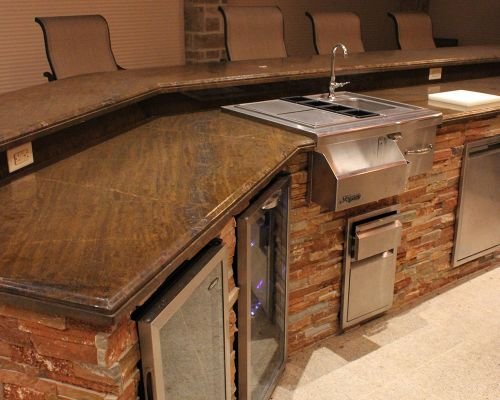
Aligning Client Visions with Sustainable Backyard Creations
Understanding what clients truly want from their Toronto backyard is the foundation of a successful transformation. Effective communication goes beyond simply listening; it involves engaging homeowners in meaningful conversations to uncover their lifestyle, preferences, and priorities. Asking open-ended questions about how they envision using the space, their favorite styles, and must-have features helps translate vague ideas into clear, actionable plans. When clients feel heard and understood, it becomes easier to craft a design that genuinely reflects their personality and needs.
Paying attention to daily routines and long-term goals is equally important. Some homeowners desire a peaceful garden for quiet mornings, while others want a lively space for entertaining friends and family. Understanding these nuances guides every decision, from plant selection to layout, ensuring the yard serves both aesthetic and functional purposes. This insight allows designers to strike a balance that aligns with the client’s vision and lifestyle.
Transparency throughout the project builds trust and confidence. Sharing detailed plans, setting realistic expectations about costs and timelines, and providing regular updates keep homeowners involved and informed. This collaborative approach minimizes surprises and creates a sense of partnership. When clients see their ideas reflected in the ongoing work and understand each step, their satisfaction naturally increases.
Incorporating client preferences doesn’t mean compromising sustainability. It’s about creatively blending their personal style with eco-friendly principles. For example, if a client loves lush greenery but wants an environmentally conscious yard, native plants and sustainable materials can meet both goals. This approach ensures their vision is realized without sacrificing the landscape’s long-term health or increasing maintenance.
Managing expectations early on is key. Being upfront about what’s feasible within their budget helps prevent frustration and fosters a collaborative spirit. Clear discussions about costs, scope, and potential limitations encourage clients to support the process and remain engaged. When homeowners understand the practical aspects of their project, they’re more likely to be satisfied with the final result.
Ongoing collaboration as the project unfolds keeps the design aligned with evolving ideas. Regular check-ins and open feedback loops make clients feel involved and valued. When their input actively shapes the final outcome, the yard feels personal and meaningful. This shared process turns a well-executed plan into a space that truly reflects their personality and enhances their daily life.
Ultimately, successful backyard transformations hinge on understanding and respecting client desires. By listening carefully, communicating clearly, and integrating their preferences thoughtfully, designers can create outdoor spaces that exceed expectations. The result is a landscape that not only looks beautiful but also feels right—an outdoor retreat tailored perfectly to the homeowner’s lifestyle and values.
Innovative Features and Eco-Conscious Solutions for Modern Outdoor Spaces
Innovative features are transforming Toronto outdoor retreats from simple yards into vibrant, multi-functional spaces. Adding elements like fire pits and outdoor kitchens turns a basic backyard into an inviting gathering spot that can be enjoyed year-round. Imagine cozy evenings around a fire with friends or family, or effortlessly preparing meals outside, blending culinary and social experiences seamlessly. These features not only extend the usability of the space but also elevate its style, making your yard feel like a natural extension of your home.
Lighting plays a crucial role in creating a warm, inviting atmosphere. LED fixtures, solar-powered lamps, and motion sensors highlight focal points and guide guests through the yard after sunset. Thoughtful lighting enhances safety and ambiance, encouraging more frequent outdoor use. When paired with eco-friendly options, these solutions support sustainable living without sacrificing aesthetic appeal, ensuring your yard remains both beautiful and responsible.
Design solutions that maximize space and add visual interest are especially important for smaller yards. Vertical gardens can transform blank walls into lush green backdrops, while modular furniture offers flexibility for different occasions. Multi-purpose structures like pergolas supporting climbing plants or integrated seating combine beauty and utility. These features help small yards feel more open and dynamic, inspiring creativity in how you use and enjoy your outdoor space.
Sustainable practices are at the forefront of modern landscape design, with recycled materials and native plants leading the way. Reclaimed wood furniture, permeable pavers, and biodegradable fabrics for planting beds reduce waste and lower environmental impact. Native plants, thriving naturally in Toronto’s climate, require less water and fewer chemicals, supporting local ecosystems and promoting biodiversity. Incorporating these elements results in landscapes that are resilient, low-maintenance, and environmentally friendly.
Looking to the future, technology and eco-conscious innovations will continue to redefine outdoor retreats. Solar-powered lighting and water features, automated irrigation systems, and climate-sensitive plant sensors make maintenance easier and more sustainable. These advancements allow homeowners to enjoy their yards with less effort, knowing their choices support responsible living. Embracing these trends helps create outdoor spaces that are not only visually stunning but also aligned with green principles.
By integrating cutting-edge features and sustainable practices, Toronto yards are evolving into smart, eco-friendly retreats. This approach boosts visual appeal and ensures the landscape’s longevity and environmental responsibility. As these innovations become more accessible, homeowners can craft outdoor spaces that stand out and stand the test of time, blending style with sustainability in every detail.
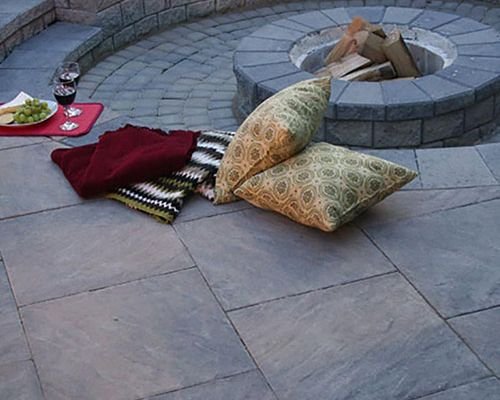
Emerging Trends and Future Innovations in Toronto Backyard Landscaping
The future of Toronto backyard landscaping is poised to be more innovative and sustainable than ever before. Advances in technology are making it easier for homeowners to maintain beautiful, functional outdoor spaces with minimal effort. Automated lighting systems, smart irrigation, and climate-responsive plant sensors will become more accessible, allowing yards to adapt seamlessly to changing weather patterns and seasonal shifts. Imagine a backyard that adjusts watering schedules based on weather forecasts or lights that automatically dim at night—these features not only enhance convenience but also support eco-friendly living.
Materials and construction methods are also evolving. Recycled composites for decks, permeable pavers that help manage stormwater, and biodegradable fabrics for planting beds are gaining popularity. These options reduce waste, lower environmental impact, and add durability and visual appeal to outdoor spaces. Modular landscape designs are increasingly favored as well, offering homeowners the flexibility to reconfigure their yards over time without the need for major renovations. This adaptability is crucial as personal needs and design trends continue to shift.
Plant science is making significant strides, providing more resilient native and hybrid species that withstand climate extremes, droughts, and pests. These hardy plants thrive with less water and fewer chemicals, making them ideal for sustainable landscapes. By selecting resilient flora, homeowners can enjoy lush gardens that remain vibrant through Toronto’s seasonal changes, ensuring their outdoor retreats are beautiful year-round.
Design philosophies are moving toward holistic approaches that emphasize natural ecosystems within urban environments. Biophilic design principles—integrating rain gardens, wildlife habitats, and vertical gardens—not only add aesthetic richness but also support local biodiversity. These elements help transform yards into mini-ecosystems, benefiting the environment and enriching the outdoor experience. Such features make outdoor spaces more than just beautiful—they become vital parts of the urban landscape.
Looking ahead, solar-powered features and eco-conscious innovations will continue to shape outdoor design. From outdoor lighting and water features to climate-sensitive plant choices, these tools reduce reliance on grid energy and promote sustainability. These advancements enable yards to become smarter, more resilient, and easier to care for, aligning with a responsible, eco-friendly lifestyle.
Creating these future-ready yards requires collaboration among designers, homeowners, and technology providers. Early planning focused on sustainability and flexibility will ensure outdoor spaces can evolve with changing needs and environmental conditions. Embracing experimentation and continuous improvement will open new possibilities, turning yards into personalized, sustainable retreats that blend innovation with responsible living.
As we look to the horizon, the potential for Toronto outdoor spaces is vast. The integration of cutting-edge technology, resilient plant varieties, and eco-friendly materials promises yards that are not only visually stunning but also environmentally responsible. These landscapes will serve as personal sanctuaries and models of sustainable urban living, inspiring homeowners to rethink outdoor design. The journey toward smarter, greener yards has only just begun, with exciting developments on the horizon.