Moving is often seen as an exciting new chapter, yet the process can quickly become overwhelming without proper safeguards. Are your valuables truly protected during transit? This guide emphasizes that moving isn’t just about logistics; it’s about preserving memories and ensuring peace of mind. Professional movers bring specialized equipment, careful handling, and insurance coverage that far surpass what casual help can offer. From fragile heirlooms to critical business assets, safeguarding belongings requires expertise and organized planning. As the industry evolves with stricter regulations, innovative technology, and eco-friendly practices, the move becomes more transparent, efficient, and responsible. But how can you leverage these advancements to streamline your relocation? The future promises smarter, greener solutions that prioritize safety and simplicity, making your move less stressful and more secure. Are you ready to choose professionals who turn a daunting task into a seamless transition, protecting what matters most every step of the way?
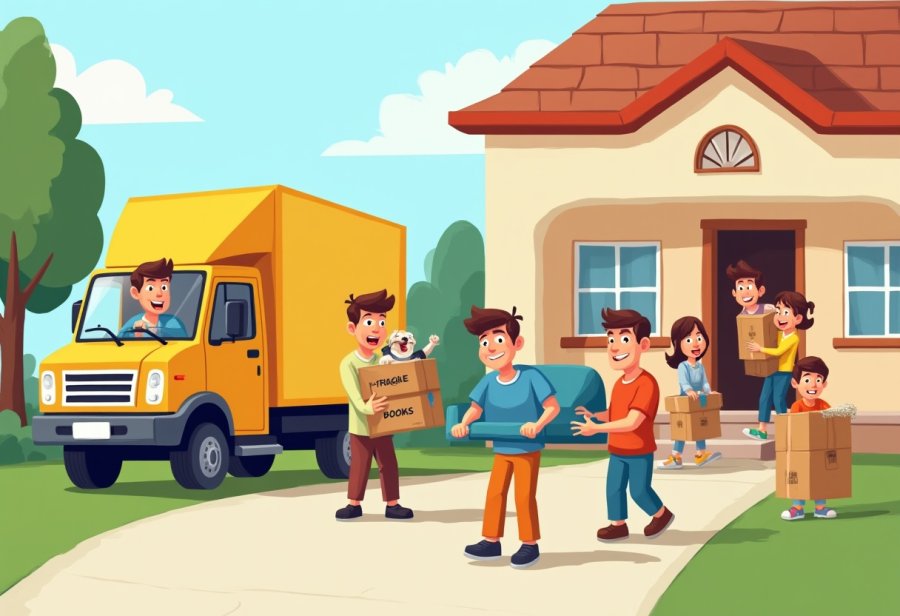
Safeguarding Your Valuables: The Critical Role of Professional Movers
Moving to a new home or relocating a business can be an exciting milestone, but it also brings a fair share of stress—especially when it comes to safeguarding your valuables. Whether you’re handling fragile family heirlooms, important documents, or bulky furniture, each item carries both emotional and financial weight. Without proper care, these belongings become vulnerable to damage, loss, or mishandling during transit, turning what should be a fresh start into a frustrating ordeal.
That’s precisely where professional movers demonstrate their true value. Unlike relying on friends or makeshift arrangements, reputable moving companies bring specialized techniques and equipment designed to protect your possessions. They know how to carefully wrap, pad, and secure delicate items like glassware, artwork, or electronics, drastically reducing the risk of damage. Their experience allows them to anticipate hazards and handle your belongings with care from packing at your current location all the way through to unloading at your destination.
Insurance coverage is a crucial part of this protective approach. No matter how cautious, accidents can happen—items might be dropped, furniture scratched, or belongings misplaced. Having comprehensive insurance provides financial security if something goes wrong, so you won’t be left to cover costly repairs or replacements out of pocket. This safety net offers peace of mind, letting you focus on the excitement of your move instead of worries about potential mishaps.
Professional movers also supply essential packing materials and tools that most people lack at home. From sturdy boxes of various sizes to bubble wrap, foam padding, and moving blankets, these supplies are tailored to maximize protection. Movers employ equipment like dollies, straps, and disassembly kits that facilitate safe lifting and transportation of heavy or bulky items. Using these resources not only speeds up the process but also minimizes accidents, ensuring everything arrives in the same condition as when it left.
Structured planning plays a vital role in making a move smooth and stress-free. Experienced movers develop detailed schedules and checklists that coordinate packing, timing, and logistics. This organized approach prevents last-minute surprises, overlooked items, or forgotten tasks that often lead to damage or delays. Clear communication and route planning further reduce obstacles like narrow doorways or tricky staircases. When each step is mapped out, your belongings are in capable hands, making the entire process more predictable and manageable.
Protecting sensitive files and specialized equipment becomes especially critical during commercial relocations. Professionals use anti-static wraps, secure packing, and meticulous inventory management to safeguard critical data and delicate electronics. Their expertise helps minimize downtime and prevents costly damages or data loss, ensuring your business can resume operations swiftly. In these situations, safeguarding your valuables isn’t just about protection; it’s about maintaining continuity and peace of mind throughout the move.
Choosing professional movers means prioritizing safety, efficiency, and reliability. Their specialized techniques, insurance coverage, and organized processes work together to make your move a safer, less stressful experience. Every item, from treasured keepsakes to critical business assets, benefits from their expertise and dedicated care. Moving becomes more than just transporting belongings—it’s about safeguarding your memories and peace of mind every step of the way.

Modern Moving Standards: Ensuring Safety, Compliance, and Sustainability
The moving industry has seen significant evolution over recent years, driven by stricter regulations, technological advancements, and a greater focus on safety and sustainability. Today’s professional movers operate under comprehensive standards that aim to protect both customers and the environment, ensuring each move is conducted efficiently and responsibly. These standards set clear expectations for licensing, insurance, vehicle maintenance, and employee training, making it easier for clients to identify reputable companies and avoid scams or subpar services.
Regulatory bodies like the Department of Transportation and state agencies enforce strict rules that licensed movers must follow. These include proper licensing, routine vehicle inspections, and adherence to safety protocols. Choosing a company that complies with these regulations offers peace of mind, knowing your belongings are in capable hands. Licensing acts as a safeguard against unscrupulous operators who might cut corners or neglect safety standards, ensuring professionalism and accountability.
Modern industry practices emphasize proper handling and safety procedures. Moving crews now undergo extensive training on techniques designed to minimize damage to possessions and property alike. This training covers everything from lifting and disassembly to packing fragile items with specialized materials. Well-trained staff are better equipped to handle complex or delicate items, reducing the risk of breakage or injury. Many companies also prioritize ongoing education to keep their teams up-to-date with the latest best practices, ensuring a consistently high level of service.
Technological tools have transformed how moves are coordinated and tracked. GPS systems allow real-time monitoring of trucks, providing transparency and peace of mind for clients. Digital inventory management helps organize items throughout the process, preventing loss or misplacement. Some companies now offer virtual consultations and online booking, streamlining planning and making the entire experience more accessible. These innovations reduce errors, improve communication, and create a smoother, more predictable move.
The topic is expanded upon in Ensure Safe Moving with Expert Packing and Precautions, an article by Evan White on Vivid Side.
Environmental responsibility has become a core aspect of current moving standards. Many companies now use biodegradable packing materials such as recycled boxes and eco-friendly bubble wrap to reduce waste. Upgrading to fuel-efficient or electric vehicles further lowers the carbon footprint of relocations. These greener practices are increasingly popular among consumers, encouraging the industry to adopt more sustainable solutions. This shift reflects a broader movement toward environmentally conscious business models, aligning industry growth with ecological needs.
Mastering the Art of Moving: Practical Strategies for a Smooth Relocation
Applying moving knowledge effectively means putting what you’ve learned into action to make your relocation smoother and less stressful. Start by creating a detailed plan that breaks down each step—from packing to unpacking—so nothing is left to chance. A well-structured schedule keeps you organized and helps prevent last-minute rushes that can lead to broken items or forgotten tasks. Making a comprehensive checklist of everything that needs to be done and assigning specific times ensures you stay on track and avoid chaos during the move.
Proper packing techniques are key to protecting your valuables. Wrap fragile items individually with bubble wrap or packing paper, and clearly label each box with its contents and designated room. Disassembling large furniture pieces early not only saves space but also reduces the risk of damage during transit. For electronics and sensitive documents, anti-static wraps and secure packing are essential. Taking these small but crucial steps helps your belongings arrive in good condition and makes unpacking at your new place much easier.
Leverage the supplies and strategies provided by professional movers. They bring sturdy boxes, specialized packing materials, dollies, and straps that most homeowners don’t have on hand. Using these tools speeds up packing and minimizes accidents. Disassembling bulky furniture with the right equipment and padding prevents scratches and breaks. By utilizing these resources, you ensure your valuables are handled safely and efficiently, especially when dealing with high-value or sentimental items that deserve extra care.
On Joy Strike Zone, Valentina Campbell covers this topic in more detail in Experience Stress-Free Moving with Expert Care and Security.
Effective logistics planning also makes a big difference. Map out your route in advance, considering factors like traffic, construction, or narrow streets that could cause delays. Scheduling your move during off-peak hours reduces stress and the chance of mishaps. Clear communication with your moving team ensures everyone understands their responsibilities and the overall plan. When every detail is mapped out, you’re less likely to encounter surprises, making the entire process more predictable and manageable.
Handling sensitive files and equipment during a commercial move requires special attention. Professionals employ anti-static wraps, secure packing, and meticulous inventory management to safeguard critical data and delicate electronics. They often disassemble and label equipment for quick setup at the new location, minimizing downtime and preventing costly damages. This careful approach helps maintain your business operations, providing peace of mind that your assets are protected and your move won’t disrupt productivity.
Finally, adapt your approach based on your specific circumstances. Smaller apartments may require simple packing and quick transportation, while larger or more complex moves demand detailed planning and specialized techniques. Moving antiques or artwork calls for extra precautions and professional handling. Weather conditions, access restrictions, or tight deadlines may require adjusting your strategy. Recognizing these factors and tailoring your plan accordingly keeps your move on track, making the entire experience less overwhelming and more successful.

The Future of Moving: Embracing Innovation and Eco-Friendly Practices
The future of the moving industry is set to be shaped by a combination of technological innovation and a growing commitment to sustainability. One of the most promising developments is the rise of smart tracking systems, which enable clients to monitor their belongings in real-time throughout the move. This kind of transparency reduces anxiety and builds trust, giving customers a clear view of where their possessions are at every stage. As these systems become more sophisticated and widespread, moving experiences will become increasingly predictable and less stressful.
Sustainability is no longer just a buzzword but a core focus for many moving companies. Eco-friendly packing materials, such as recycled boxes and biodegradable bubble wrap, are gaining popularity. Companies are also adopting fuel-efficient or electric vehicles to cut down on emissions. These greener practices not only appeal to environmentally conscious consumers but also push the entire industry toward a more responsible future. This shift toward sustainability reflects a broader awareness of ecological impact and aligns with a growing demand for environmentally responsible services.
Digital platforms are transforming how moves are planned and managed. Virtual consultations, online booking, and digital inventories streamline the entire process, making it more accessible and efficient. Clients can coordinate details from their phones or computers, reducing paperwork and minimizing errors. These technological tools help make moving less cumbersome and more tailored to individual needs, elevating the overall customer experience. As technology advances, expect more innovations that simplify every step of the relocation process.
Standardization and ongoing training are crucial to maintaining high industry standards. Moving companies are investing heavily in staff education, emphasizing best practices for handling high-value or fragile items. Disassembly, packing, and safety protocols are becoming more uniform across the industry, ensuring consistent quality regardless of the provider. This focus on professionalism not only safeguards belongings but also boosts consumer confidence. As clients become more aware of what to expect, the industry’s commitment to excellence will become an even stronger selling point.
Looking ahead, these trends suggest a future where moves are faster, safer, and more environmentally friendly. Smart technology, greener practices, and standardized procedures will make relocations smoother and more predictable. For consumers, this means a move experience that’s less stressful, more transparent, and aligned with sustainable values. As the industry continues to evolve, the goal remains clear: to deliver a seamless transition that safeguards valuables while providing peace of mind every step of the way.