Learning to ride a bike is more than just mastering balance; it’s a powerful rite of passage that embodies courage, resilience, and family bonds. As children wobble, fall, and eventually pedal independently, they discover not only physical skills but also vital lessons in patience and perseverance. How does this simple activity foster confidence and independence beyond the driveway? The journey is shaped by family support, safety considerations, and modern innovations, making the process accessible and joyful. These shared experiences don’t just teach riding—they forge memories, encourage exploration, and teach kids that setbacks are stepping stones toward growth. With each triumphant ride, children develop self-reliance that extends into life’s broader challenges. Could the act of learning to ride be the most meaningful lesson in trust and perseverance they’ll carry for years to come? It’s a timeless milestone, rich with emotion, adventure, and the promise of freedom.
Learning to Ride: A Milestone of Courage, Connection, and Growth
Learning to ride a bike isn’t just about mastering balance; it’s a milestone packed with emotion, courage, and connection. For many children, those wobbly first attempts mark more than just a new skill—they symbolize growing independence and the willingness to face fears. Parents and caregivers often become their biggest cheerleaders, supporting every fall and celebrating each small victory. These shared moments of effort and encouragement do more than teach a child to pedal—they strengthen family bonds and create lasting memories.
This process transforms an everyday activity into something meaningful. Learning to ride involves more than physical coordination; it’s about building confidence and trust—both in oneself and within the family. The inevitable wobbling and falls are natural parts of the journey, and with patience, they become stepping stones toward mastery. When children finally take off on their own, that moment of independence becomes a powerful symbol of growth and trust, boosting their self-esteem far beyond the bike itself.
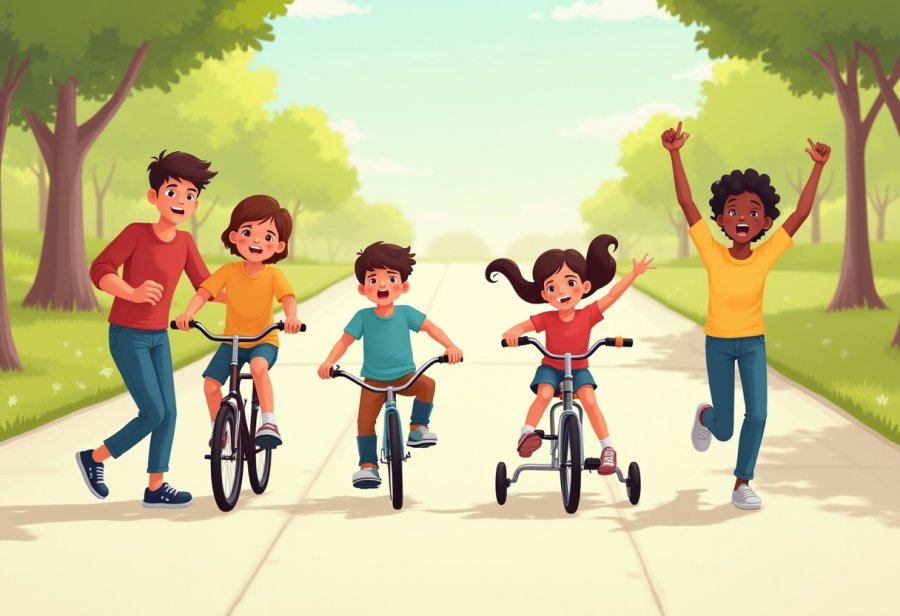
Family involvement plays a crucial role in turning this challenge into a bonding experience. Whether a parent jogs alongside, offering steady support, or a sibling cheers from the sidelines, these shared efforts foster teamwork and reassurance. Watching a child conquer their fears and glide confidently on two wheels isn’t just about riding; it’s about nurturing resilience and a sense of belonging. These moments teach children that with patience, support, and perseverance, they can overcome obstacles and ride through life’s challenges.
Beyond the mechanics, learning to ride sparks a sense of freedom and adventure. As confidence grows, children begin exploring their neighborhoods, riding to school, or visiting friends—small steps that boost independence and self-reliance. When parents see their kids riding confidently, it reinforces the idea that support and patience are key ingredients in overcoming fears. These experiences shape not only their riding skills but also their attitude toward challenges, resilience, and independence.
In the end, teaching a child to ride a bike is about more than just pedaling. It’s about nurturing courage, building character, and strengthening family bonds. Every wobble, fall, and triumphant ride contributes to a story of perseverance and trust. As children learn to face their fears and take those first independent rides, they carry valuable lessons that will serve them far beyond the driveway—lessons that remind us all of the power of support, patience, and a little bit of bravery.
Foundations of Cycling: Building Skills, Confidence, and Resilience
Cycling is more than just a fun outdoor activity; it’s a vital part of childhood development that combines physical, emotional, and social growth. When kids learn to ride, they’re not only picking up a new skill but also strengthening key motor abilities like balance, coordination, and strength. These foundational skills help children explore their environment more confidently and set the stage for tackling other challenges with resilience. For many, mastering riding becomes a proud milestone that encourages further curiosity and independence.
Family support plays a crucial role throughout this journey. When parents or caregivers actively participate—whether by demonstrating techniques, offering words of encouragement, or simply being present—they create a safe space for children to learn. Such involvement reduces anxiety, making the experience less intimidating and more enjoyable. Kids tend to progress faster and with more confidence when they see their family backing them up, turning a daunting task into a shared adventure.
Learning to ride also fosters emotional resilience. As children practice balancing and pedaling, they experience small successes that incrementally boost their confidence. Overcoming the fear of falling, which is common at the start, teaches persistence and patience. These lessons extend beyond cycling, helping kids develop a mindset that embraces setbacks as part of growth. Each time they get back on the bike after a fall, they learn that perseverance pays off.
Safety is intertwined with independence in this process. Supportive families emphasize safe environments—quiet streets, parks, or driveways—where kids can practice freely without feeling overwhelmed. Wearing safety gear like helmets and pads not only protects physically but also instills a sense of responsibility. When children see their parents valuing safety, they learn to balance thrill-seeking with caution, building good judgment that they carry into future adventures.
The mechanics of riding—starting with balance bikes or training wheels—are designed to ease children into the process. These tools help them focus on core skills like steering and balancing in a controlled setting, reducing frustration. As they progress, transitioning to pedal bikes allows them to apply what they’ve learned in more dynamic situations, gradually building confidence and independence. This step-by-step approach makes learning less overwhelming and more rewarding.
Modern innovations, such as lightweight helmets, adjustable bikes, and interactive coaching apps, have made the learning process safer and more engaging. These tools help children feel more secure and motivated, turning what might be a stressful experience into a fun challenge. Choosing quality gear and equipment suited to their size and skill level encourages kids to practice more often and with greater enthusiasm.
Timing also influences how easily children pick up cycling. Mild weather, quiet streets, and a supportive environment create ideal conditions for practice. Starting early in the season or when a child’s interest is high can make the difference between frustration and fun. When the environment feels safe and inviting, children are more likely to persevere through wobbling and falls, viewing mistakes as natural steps toward mastery.
Ultimately, learning to ride a bike is a rich experience that combines physical skill, emotional growth, and family bonding. It’s about more than just pedaling—it’s about building resilience, confidence, and trust. As children conquer their fears and take those first independent rides, they carry with them lessons that extend well beyond the driveway, shaping their approach to life’s challenges with courage and perseverance.
Current Methods: How Families Are Teaching Kids to Ride Today
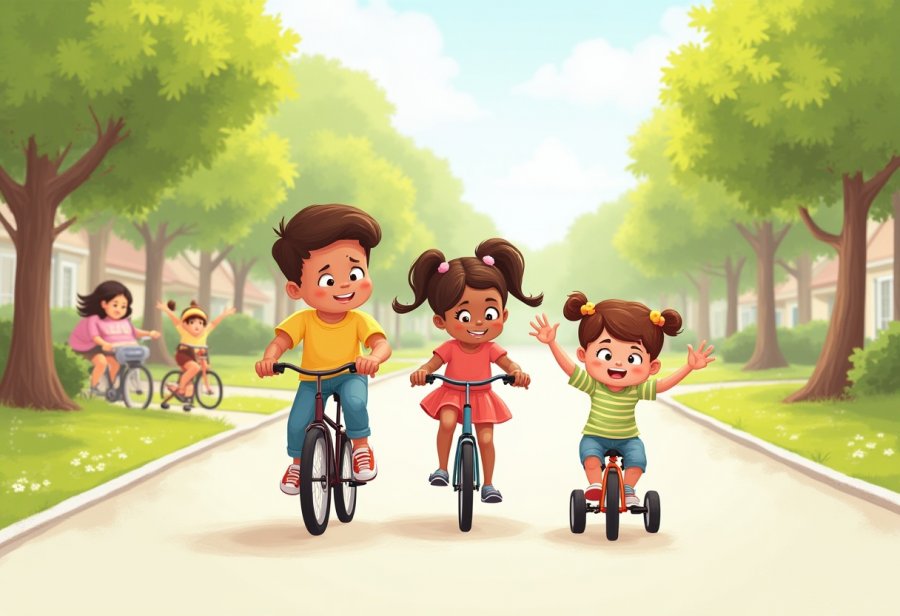
Today, most children learn to ride bikes through a mix of traditional methods and modern innovations, with family involvement remaining central. Many start with balance bikes or training wheels, which help them develop coordination and confidence without the fear of falling immediately. These tools make it easier for kids to focus on balancing and steering, gradually preparing them for a pedal bike. Families often choose quiet neighborhoods, parks, or driveways as safe spaces for practice, reducing risks and distractions from busier areas.
Parents and caregivers play an active role during this process. Whether holding the bike steady, offering encouraging words, or demonstrating proper techniques, their support creates a sense of security. Some take a hands-on approach, guiding children step-by-step, while others prefer a more relaxed style, letting kids learn at their own pace. What matters most is patience and reassurance, which help children stay motivated even when progress feels slow.
Advances in safety gear and instructional tools have made learning to ride more accessible than ever. Lightweight helmets with better ventilation, durable balance bikes, and beginner-friendly bikes with adjustable features all boost confidence. Additionally, interactive apps and virtual coaching programs add a fun, engaging element, helping children overcome fears and stay motivated to practice regularly. These innovations make the journey less intimidating and more enjoyable.
Many families also turn to community programs or school initiatives, but the majority still rely on home-based lessons. Weekend rides or holiday practice sessions become bonding opportunities, turning learning into shared adventures. This personal attention accelerates skill development and fosters trust and teamwork. Children respond well to this support, feeling more confident as they master each new step.
The variety of approaches today allows families to tailor their methods based on their child’s temperament and comfort level. Training wheels offer quick reassurance, while balance bikes promote early skill transfer. Structured lessons or community classes provide additional guidance for those needing extra encouragement. Combining these options creates a balanced, enjoyable experience that builds confidence and a love for riding.
Environmental factors also influence success. Mild weather, quiet streets, and a safe, inviting atmosphere make all the difference. Starting early in the season or choosing the right conditions helps children stay motivated and view falls or wobbles as natural parts of learning. When the environment feels safe and encouraging, kids are more likely to persevere and enjoy the process.
In the end, learning to ride a bike today remains a blend of personal support, innovative tools, and safe environments. This combination helps children overcome initial fears, develop independence, and build resilience. As they pedal confidently for the first time, they not only gain a new skill but also strengthen family bonds and confidence that will serve them well throughout life.
Budgeting for Bikes: Balancing Cost, Safety, and Quality
When teaching a child to ride a bike, understanding the costs involved helps families plan without surprises. The biggest expense is usually the bike itself, which can range from affordable beginner models to more durable, high-end options. Balance bikes and training wheels are typically the most budget-friendly, often costing between $30 and $80. Pedal bikes with adjustable features tend to fall in the $100 to $300 range, with pricier models offering added comfort and longevity. Investing in a good-quality bike can be a smart choice, as it’s likely to last through multiple seasons and withstand rougher use, saving money in the long run.
Safety gear is another essential expense. A well-fitting helmet is a must, with prices varying from around $20 to $50 for reliable options. Knee and elbow pads usually cost between $10 and $25 each and provide necessary protection during those initial wobbling attempts. While it might be tempting to go for cheaper options, investing in durable, well-made safety equipment ensures better protection and longer usability, which is crucial for building confidence and safety. Accessories like bells or bike locks are additional costs but can enhance security and make riding more enjoyable.
Many families save money by shopping second-hand or through community programs. Used bikes, helmets, and pads are often available at a fraction of the price of new gear and still offer good quality. Local thrift stores, online marketplaces, and community swaps are excellent resources for affordable equipment. Some towns and organizations also provide free or low-cost cycling lessons and equipment rentals, making it easier for families to get started without stretching their budgets. These options keep the focus on learning and fun rather than financial stress.
Choosing quality gear and a sturdy bike might require a bigger initial investment, but it often pays off by reducing the need for early replacements. Cheaper options tend to wear out faster, leading to more expenses later. Better safety standards, comfort, and durability in higher-quality equipment encourage kids to ride more confidently and frequently, which can accelerate their learning and enjoyment. Spending wisely on reliable gear creates a safer, more positive experience that motivates children to keep practicing.
Balancing affordability with safety doesn’t mean sacrificing quality. Exploring second-hand options, leveraging community resources, and selecting reputable brands allow families to set up a safe, effective learning environment without overspending. This approach not only makes cycling accessible but also helps children stay motivated and secure as they develop their riding skills. When safety gear and bikes are chosen thoughtfully, the emphasis remains on building confidence and having fun—key ingredients for turning initial wobbling into a lifelong love of cycling.
From Wobbles to Adventures: Real-Life Stories of Learning and Growing
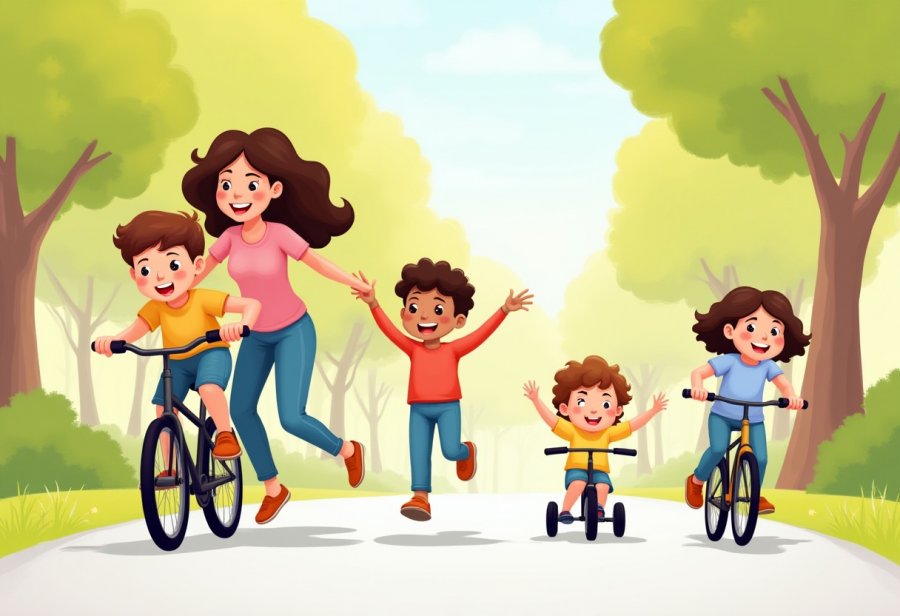
Learning to ride a bike often transforms everyday routines into moments of independence and adventure. Once children gain confidence, they start riding to school, visiting friends, or exploring their neighborhoods on their own. These small trips boost their sense of self-reliance and reduce reliance on parents, opening doors to new social opportunities and fostering a sense of autonomy. Watching a child confidently pedal away for the first time isn’t just about mastering a skill; it’s about seeing how they begin to navigate the world with courage and independence.
Stories of kids overcoming initial fears are inspiring and relatable. Take Lily, who was terrified of falling at first. With steady support from her parents, she practiced in the park until she was riding confidently, keeping up with her friends. Each successful ride, no matter how brief, built her resilience and taught her that setbacks are just part of the process. These moments of achievement shape a child’s attitude towards challenges, teaching them persistence and patience that extend well beyond the bike.
Of course, falls and wobbling can test a child’s resolve. Some feel discouraged after a tumble, but most bounce back with a little encouragement. One parent recalls how their child hesitated after falling but later returned to practice with even more determination. These setbacks become lessons in resilience, reinforcing that perseverance pays off—not just on the bike but in life’s other hurdles as well. Every wobble and fall becomes a building block for confidence and grit.
Learning to ride also helps children understand the importance of safety without sacrificing fun. When parents create safe environments—quiet streets, parks, or driveways—and emphasize wearing helmets and pads, kids learn to enjoy the thrill of riding while respecting risks. This balance of adventure and caution encourages sound judgment and self-trust, qualities that serve them in many areas of life. As they master control and safety, they develop a mindset that values responsibility alongside independence.
Finally, cycling becomes a catalyst for memorable family moments and shared experiences. Weekend rides turn into adventures, strengthening bonds and creating stories that last. Whether it’s exploring new paths or simply enjoying a sunny afternoon together, these experiences foster teamwork, trust, and joy. For many children, learning to ride isn’t just a milestone—it’s the start of a lifelong love for outdoor exploration and the confidence to face whatever challenges come next.