In a world driven by screens and rapid pace, can tending a garden together truly forge deeper bonds and foster healing? This exploration reveals how shared outdoor activities, rooted in patience and mutual effort, cultivate more than just plants—they nurture trust, empathy, and emotional resilience. Gardening’s timeless role as a sanctuary for connection, from ancient civilizations to modern therapeutic programs, underscores its profound capacity to promote well-being. As individuals dig, plant, and nurture side by side, they engage in quiet rituals that deepen understanding and support recovery, turning routine chores into meaningful acts of love and cooperation. Could the simple act of working with living things become a vital tool in building resilient, compassionate communities? With advancements in community gardening, outdoor therapy, and digital platforms bridging gaps, the future of shared gardening promises to enrich lives—reminding us that growth, in soil and soul, takes time and care.
Cultivating Bonds and Healing Through Shared Gardening
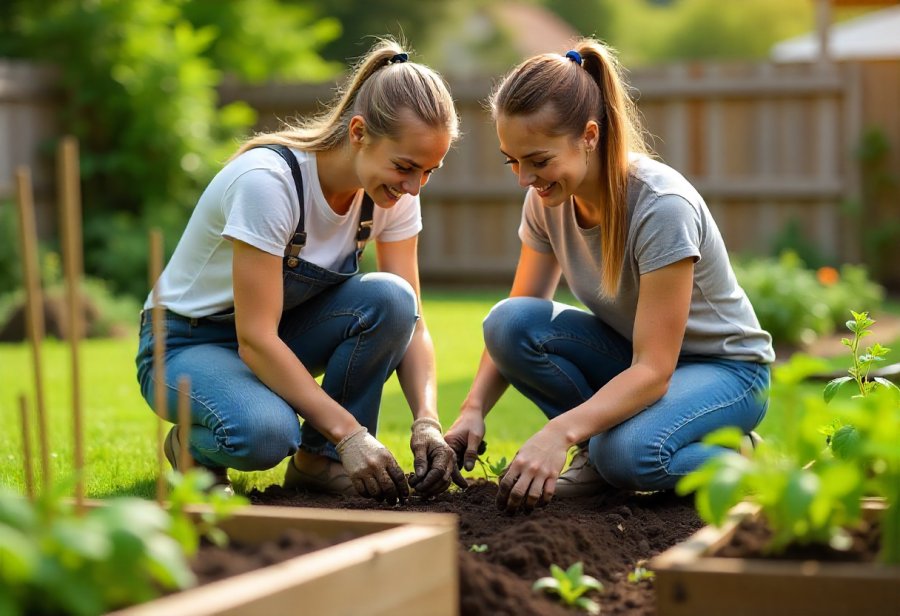
Sharing a garden with someone isn’t just about planting flowers or growing vegetables; it’s a quiet act that can build stronger emotional bonds and foster healing. When people work together outside, touching the earth and nurturing life, they create a space for connection that goes beyond words. This shared effort encourages teamwork and trust, turning simple chores into meaningful moments of cooperation and understanding. Over time, these experiences deepen relationships in ways that talking alone often can’t reach.
Gardening offers a calming rhythm that helps people feel grounded and present. The repetitive tasks of planting, watering, and weeding become surprisingly meditative, providing a peaceful refuge from daily stresses. When done with someone else, this calm becomes a shared experience—a way to find comfort and peace together. It’s within these quiet moments that emotional healing can often take root, as both individuals find solace in caring for something outside themselves.
In today’s digital age, where screens dominate much of our interaction, tending a garden together offers a refreshing alternative. It pulls us away from constant notifications and reconnects us with nature—and each other. Gardening requires patience and communication, qualities that can easily be overlooked in fast-paced virtual environments. Working side by side in the dirt reminds us that meaningful relationships need time, effort, and shared purpose to truly flourish.
The act of caring for plants together naturally fosters trust and intimacy. Whether passing a tool, helping prune a branch, or sharing a smile over a blooming flower, these small gestures build a sense of mutual support. Touch and eye contact during these moments deepen bonds, making the activity more than just a task—it becomes a ritual of nurturing and connection. Over time, these shared routines help establish a foundation of empathy and understanding.
Gardening also mirrors the cycles of life and renewal, offering a natural metaphor for healing. Just as plants go through seasons of growth and dormancy, relationships experience highs and lows. Working through these phases together teaches patience and resilience, showing that lasting bonds often require time and ongoing care. These shared experiences reinforce that growth isn’t instant but a process rooted in persistence and love.
This activity isn’t without its challenges—differences in skill levels, physical limitations, or environmental factors can sometimes cause frustration. Recognizing these obstacles early allows for creative solutions, like starting small or choosing manageable projects. The goal remains to nurture a space where everyone can connect and find joy in the process, rather than striving for perfection in the outcome.
Ultimately, gardening becomes more than a hobby; it’s a way to build trust, practice patience, and develop empathy. The act of tending to life together creates shared memories and symbols of teamwork that strengthen emotional bonds. These moments of growth, both in the garden and in relationships, remind us that healing often takes time, but the rewards are well worth the effort.
Gardening as a Timeless Practice of Community and Recovery
Gardening has played a vital role in human life for thousands of years, serving purposes far beyond simply providing food or beautifying spaces. In ancient civilizations like Egypt, Greece, and China, gardens were more than practical—they were communal havens where people gathered, exchanged stories, and found comfort. These green spaces often held spiritual significance and were integral to rituals and healing practices, offering a refuge during times of upheaval. Gardens then weren’t just about aesthetics; they created sanctuaries for emotional well-being and connection.
As societies evolved, so did the purpose of gardens. During the Renaissance, elaborate designs became symbols of status and cultural identity, but they also served as retreats for relaxation and reflection. These gardens provided an escape from daily stresses, offering a space where individuals could reconnect with nature and each other. Over time, the therapeutic value of gardening gained recognition, especially as a way to support mental health during challenging periods.
In the 20th century, the concept of therapeutic horticulture emerged, emphasizing how working with plants could help reduce anxiety and foster social bonds. Programs for veterans, seniors, and trauma survivors demonstrated that shared outdoor activities promote emotional recovery. These efforts built on a long-standing tradition of gardens as places of healing, reinforcing that caring for plants together nurtures trust, patience, and resilience.
Across cultures worldwide, gardens have maintained their sacred and restorative roles. In Japan, Zen gardens promote mindfulness and inner peace, transforming gardening into a spiritual practice. Indigenous communities see land stewardship and planting as acts of cultural preservation, strengthening community ties through shared traditions. Whether serving as spiritual rituals or social activities, gardens have consistently been spaces for renewal, healing, and community bonding.
Throughout history, influential figures like Florence Nightingale highlighted the healing power of outdoor spaces. Today, this legacy continues through therapeutic programs and community initiatives that recognize gardens as vital tools for emotional well-being. Gardens have long been more than decorative or productive spaces—they are enduring symbols of growth, recovery, and human resilience, woven into the fabric of our collective history of healing.
Fundamental Ideas Linking Gardening with Emotional Growth
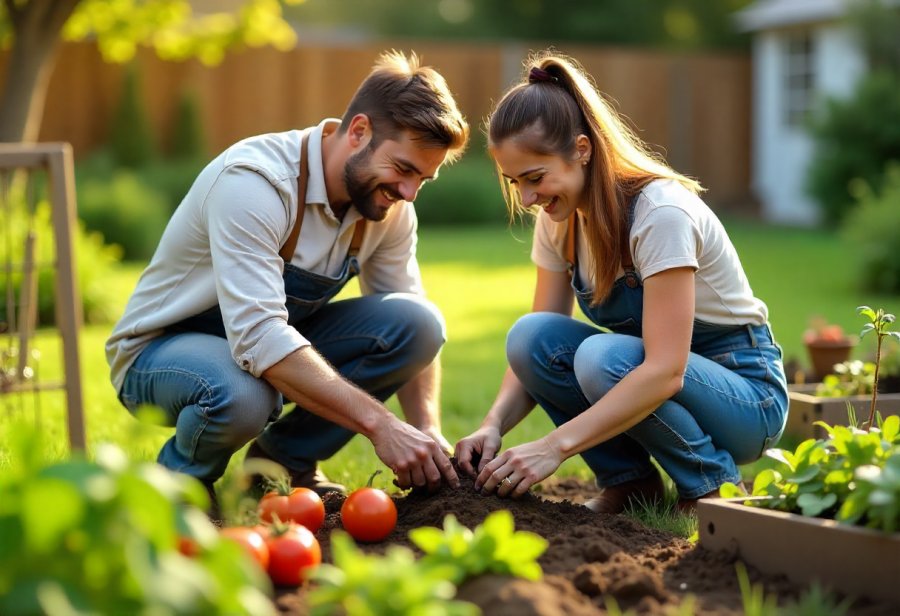
Gardening and emotional connection are deeply intertwined through simple yet powerful ideas that give the activity its meaningful edge. When two people work side by side in a garden, trust and communication tend to develop naturally. Tasks like planting seeds, watering, or pruning require cooperation, and these shared moments foster teamwork rooted in mutual effort. Over time, this collaboration builds a sense of partnership that extends beyond the physical act, nurturing empathy and understanding in subtle but lasting ways.
Caring for plants also acts as a metaphor for personal growth and resilience. Watching a seed sprout and grow echoes how we overcome obstacles and strengthen our relationships. The unpredictable challenges—pests, weather, slow progress—teach patience and persistence, qualities vital for emotional bonds. The garden becomes a living reminder that growth takes time, and nurturing it requires ongoing commitment, mirroring the patience needed in relationships.
Physical touch, often understated, plays a significant role in deepening emotional ties. Passing a watering can, helping someone prune a branch, or sharing a reassuring glance while working together creates moments of gentle contact. These small gestures foster trust and intimacy, transforming routine chores into rituals of care. Over time, such acts become symbols of shared support, strengthening the emotional fabric of the relationship and deepening mutual empathy.
Nature’s cycles of growth and renewal add profound meaning to shared gardening. Just as plants go through seasons of dormancy and rebirth, relationships experience phases of change and renewal. Working through these periods together helps build resilience and patience, reinforcing that lasting bonds require ongoing nurturing. The garden becomes a vivid metaphor for the ebb and flow of life, reminding us that enduring connections flourish with time and consistent effort.
The concept of “garden bonding” encapsulates how outdoor activities foster emotional intimacy. When both people invest time and effort into caring for the same plants, they create shared memories and a sense of accomplishment. These moments become symbols of teamwork and mutual care, reinforcing trust and cooperation. Gardening, therefore, isn’t just about plants—it’s a powerful way to nurture relationships that grow stronger with each shared experience.
Finally, engaging in gardening as a shared activity supports emotional well-being and mental health. The quiet, mindful moments in the garden open space for honest conversations and emotional expression. As people tend to their plants, they often feel more relaxed and open, creating a safe environment for vulnerability and connection. This ongoing process of nurturing life together not only cultivates healthier plants but also fosters resilience, trust, and healing within relationships.
Practical Ways Gardening Fosters Healing and Deepens Relationships
Sharing a garden offers countless opportunities to strengthen bonds and support emotional healing in everyday life. For couples or families, working together to plant, nurture, and harvest creates a shared purpose that naturally builds trust and intimacy. Starting with simple projects like container gardens or small vegetable patches makes participation easier and less overwhelming. These manageable tasks foster teamwork and provide a sense of achievement, turning routine chores into calming rituals that deepen connections.
Incorporating gardening into daily or weekly routines can have a surprisingly soothing effect. Spending just a few minutes each morning tending herbs or checking seedlings offers a peaceful moment of mindfulness that sets a positive tone for the day. When shared with someone close, these quiet moments become opportunities for gentle conversation and mutual support, helping to build understanding and patience over time. These routines evolve into meaningful traditions that reinforce the importance of caring for each other as much as caring for plants.
Community gardens and local horticultural programs extend these benefits beyond individual households. Participating in shared spaces with neighbors or friends broadens the scope of what can be grown and introduces social interaction into the process. Working side by side with others from diverse backgrounds fosters a sense of belonging and collective achievement, breaking down barriers and creating bonds rooted in shared effort. These experiences highlight that gardening isn’t just about plants—it’s about cultivating relationships that flourish through collaboration.
Choosing the right tools and setting realistic goals make gardening accessible and enjoyable for everyone. Ergonomic tools, comfortable gloves, and easy-to-maintain planters help accommodate different ages and physical abilities. Starting small—like planting herbs in pots or creating a tiny flower bed—ensures success and prevents frustration. Celebrating milestones, such as the first bloom or harvest, reinforces a positive cycle of nurturing and growth, making gardening a rewarding experience rather than a stressful one.
Integrating gardening into daily life transforms it into a meaningful activity that nurtures trust, patience, and empathy. Whether tending a balcony garden or working side by side in a community plot, caring for living things together creates lasting memories and symbols of teamwork. These shared moments remind us that growth—both in plants and in relationships—takes time and effort, but the rewards are worth it.
This shared activity also creates space for open dialogue and emotional expression. As people spend time immersed in nature, they often feel more comfortable sharing thoughts and feelings. The garden becomes a quiet backdrop for honest conversations, helping to deepen understanding and resolve conflicts naturally. Over time, these interactions can significantly enhance emotional resilience and support healing, strengthening the bonds that hold relationships together.
Embracing the Future of Gardening as a Path to Connection and Well-Being
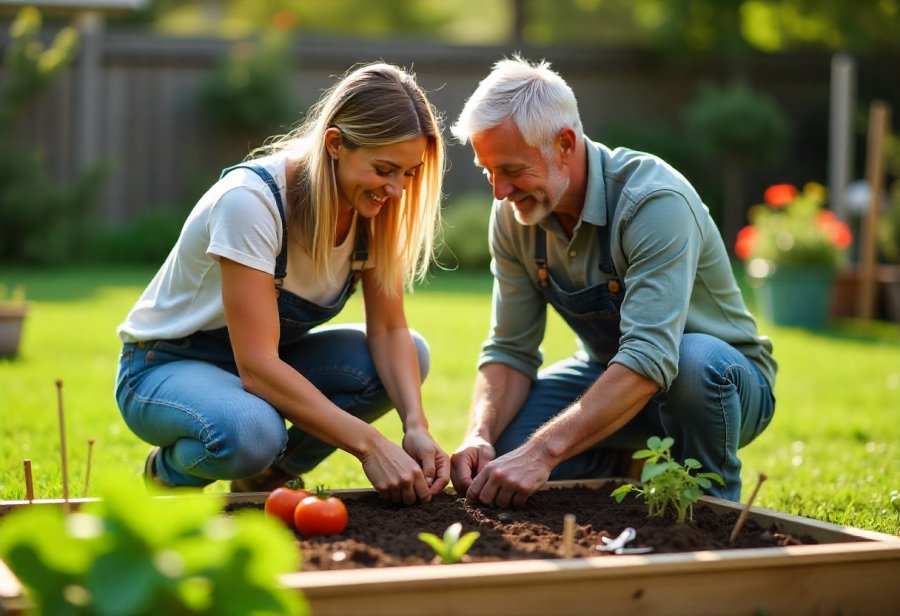
Sharing a garden isn’t just about growing plants; it’s a powerful way to nurture relationships and support emotional well-being through simple, meaningful acts. The routines of working side by side—watering, planting, tending—become shared rituals that build patience, trust, and empathy. These moments remind us that growth, in both plants and people, takes time and care. Healing doesn’t happen overnight; it unfolds gradually through consistent effort and genuine connection.
Looking ahead, the potential for gardening to deepen emotional bonds continues to grow. Communities are increasingly embracing shared outdoor spaces, from community gardens to therapeutic programs, making gardening accessible to more people. These initiatives help break down barriers, welcoming individuals of all ages and backgrounds into the fold. As awareness of its benefits spreads, gardening could become an integral part of mental health strategies, offering a natural, cost-effective way to foster resilience and recovery.
Technology also holds promise for expanding these opportunities. Virtual gardening communities and digital platforms can connect those who lack access to outdoor spaces, providing ideas, encouragement, and a sense of shared purpose from afar. Such tools keep the healing power of gardening alive, no matter where people are. They help sustain motivation and foster community bonds, ensuring that the benefits of tending to life remain within reach even in challenging circumstances.
Education will play a crucial role in shaping future efforts. Schools, workplaces, and local organizations are increasingly incorporating gardening projects to teach skills, promote teamwork, and boost emotional resilience—particularly among young people. Making gardening a regular part of daily routines can instill lifelong habits of care, patience, and connection. These lessons extend beyond the garden, enriching individuals and strengthening communities over time.
Outdoor therapy programs represent an exciting frontier. Combining horticulture with mental health support offers tailored activities that help individuals process emotions and build trust through shared effort. As research validates these approaches, outdoor spaces may become vital components of holistic healing methods. Gardens will increasingly serve as accessible sanctuaries where emotional recovery and personal growth are nurtured alongside plants.
As these developments unfold, the core idea remains clear: tending a garden together fosters patience, empathy, and trust. This timeless activity adapts to modern needs, continuously offering new ways to connect and heal. More communities embracing shared gardening can create resilient, compassionate environments rooted in the simple act of caring for life—both in the soil and within ourselves.