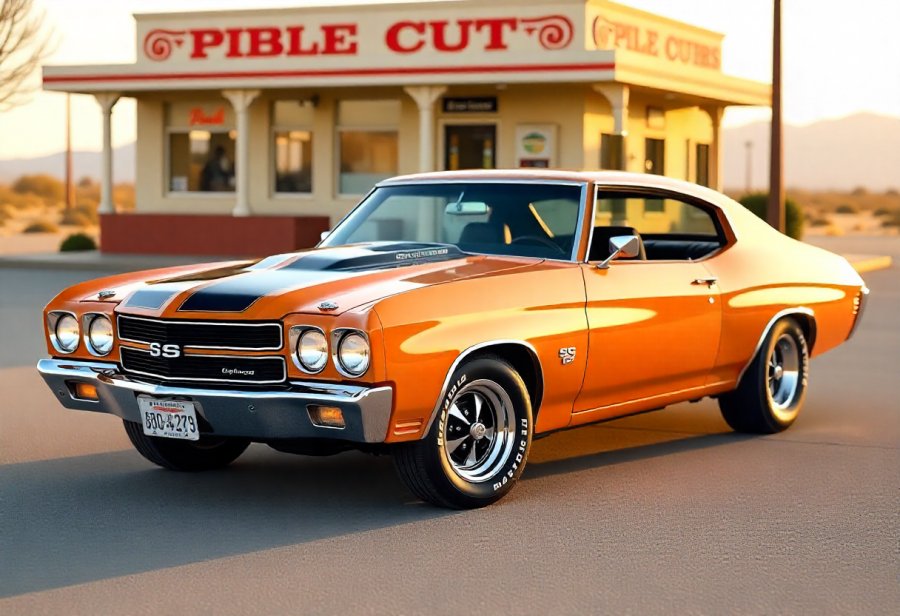
The Ford Mustang stands as an enduring symbol of American freedom, power, and rebellion, captivating enthusiasts for over six decades. Its sleek, muscular silhouette and legendary performance evoke a sense of adventure and individuality that transcends generations. From its humble beginnings as an affordable yet performance-packed muscle car to today’s technologically advanced models, the Mustang has continually evolved without losing its bold identity. As it faces a future of electrification and innovation, the question remains: can this icon preserve its raw emotional appeal while embracing sustainability? For many, the Mustang isn’t just a vehicle but a personal and cultural legend—an emblem of dreams, resilience, and the relentless pursuit of speed and freedom. This dynamic blend of tradition and progress ensures its legacy endures, inspiring new generations to chase adventure and embody the spirit of American ingenuity.
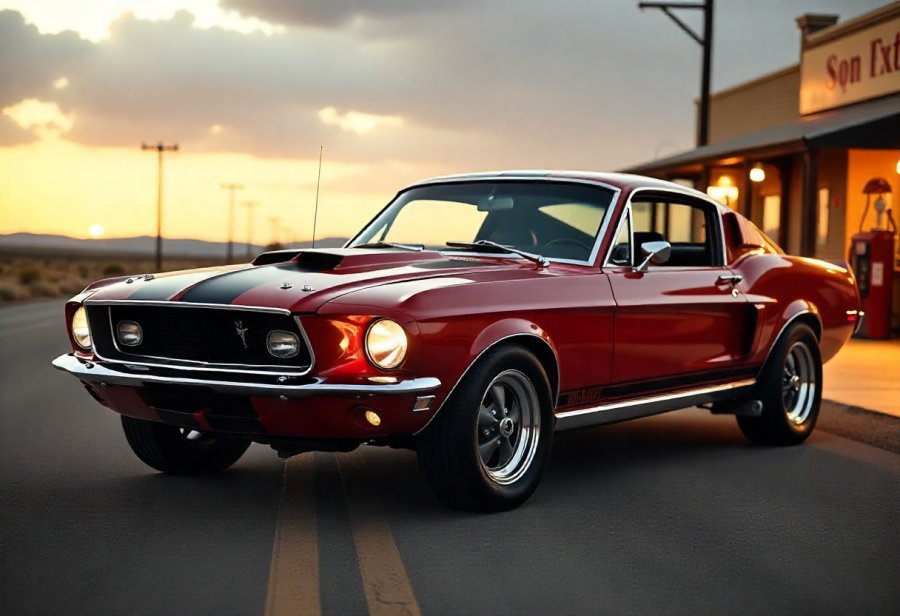
The Mustang: An Icon of American Freedom and Innovation
The Ford Mustang is more than just a car; it’s a symbol of American identity and automotive innovation. Since its debut in 1964, the Mustang has captured the imagination of drivers and enthusiasts worldwide, embodying the spirit of freedom, rebellion, and performance. Its instantly recognizable silhouette and distinctive design have made it an icon on roads and in popular culture, representing a lifestyle rooted in adventure and independence.
From the start, the Mustang set itself apart with a combination of sporty styling and affordability. Its sleek lines, muscular stance, and signature pony emblem immediately communicate that this is a vehicle built for those who seek excitement. The long hood and short rear deck have become defining features, echoing the car’s roots in performance and style. Over the decades, these design elements have evolved, but the essence of the Mustang’s bold character remains unchanged.
Beyond its looks, the Mustang has long been associated with the American muscle car movement. It emerged during a period when automakers competed fiercely to produce high-performance vehicles accessible to everyday drivers. The Mustang’s powerful engines and aggressive aesthetics made it a symbol of youthful rebellion and daring ambition. It was a car that promised speed, freedom, and the thrill of the open road—values that continue to resonate today.
The Mustang’s cultural impact extends well beyond the showroom. It’s been featured in countless movies, music videos, and stories that celebrate American resilience and individualism. Whether cruising along scenic highways or racing on tracks, the Mustang embodies a desire to live boldly and authentically. It’s a vehicle that inspires dreams and fuels the imagination, becoming a part of the American mythos.
Throughout its history, the Mustang has proven to be remarkably adaptable. It has evolved through design updates, technological innovations, and performance enhancements, all while maintaining its core identity. This ability to reinvent itself has helped it stay relevant across generations, appealing to both nostalgic fans and new drivers seeking modern power and style.
Today, the Mustang continues to symbolize freedom and performance, blending its rich heritage with cutting-edge technology. Its ongoing appeal lies in its ability to connect emotional storytelling with high-performance engineering. As the face of American muscle cars, it remains a powerful reminder of what makes the automotive world exciting—speed, style, and the pursuit of adventure.
Tracing the Evolution of the Mustang from Debut to Modern Marvels
Since its debut in 1964, the Ford Mustang has undergone a remarkable evolution that has helped it stay relevant for over half a century. The earliest models were compact, sporty, and designed to appeal to young drivers eager for performance and style without a steep price tag. Their distinctive long hood, short rear deck, and signature grille immediately set the Mustang apart, establishing it as an icon from the start. These design choices combined aggressive aesthetics with affordability, making high-performance muscle cars accessible to a broader audience.
In the late 1960s and early 1970s, the Mustang’s reputation as a powerhouse grew stronger. Engine options expanded from inline-sixes to potent V8s, and its styling became more muscular and bold. The car gained fame in pop culture, especially through scenes like the famous chase in *Bullitt*, solidifying its image as a symbol of rebellion and youthful energy. Its performance capabilities, paired with its aggressive look, made it a favorite among enthusiasts and street racers alike, fueling its status as an American muscle icon.
As decades passed, Ford refined the Mustang to keep pace with shifting tastes and safety standards. The 1980s and 1990s saw sleeker, more aerodynamic designs that improved fuel efficiency and handling, all while preserving the core identity. Technological advancements like electronic fuel injection, improved suspension, and better brakes kept the Mustang competitive. Each new generation paid homage to its roots but added contemporary features, ensuring it remained appealing to new generations without losing its character.
The focus on engineering excellence persisted through the years. From early V8 engines to high-performance Shelby variants, each iteration pushed the boundaries of speed and power. Lightweight materials, aerodynamic tweaks, and electronic systems enhanced handling and acceleration, helping the Mustang stay ahead of competitors. This relentless pursuit of performance cemented its reputation as a true American muscle car, balancing raw power with modern innovation.
Today’s Mustangs seamlessly blend heritage with cutting-edge technology. Modern models feature digital dashboards, advanced safety features, and a range of turbocharged and V8 engines that deliver impressive speed and agility. Despite these updates, the car still echoes its original muscular stance and iconic silhouette. This ability to evolve while maintaining its core identity keeps the Mustang relevant and beloved across generations, proving that its appeal is truly timeless.
Throughout its history, the Mustang’s story has been one of adaptability and resilience. It has learned to reinvent itself without losing sight of what made it special—performance, style, and the spirit of freedom. This enduring capacity to evolve while honoring its roots ensures that the Mustang remains not just a car, but a symbol of American ingenuity and passion for innovation, inspiring drivers and enthusiasts for decades to come.
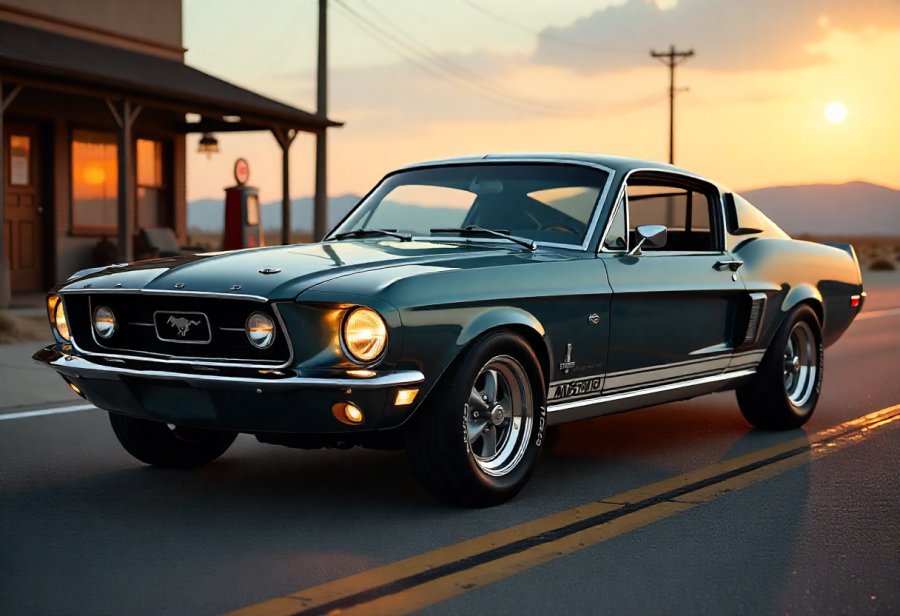
The Mustang Today: Blending Heritage with Cutting-Edge Performance
Today, the Ford Mustang holds a prominent place in modern automotive culture, seamlessly blending its rich heritage with innovative technology. The latest models showcase a bold, sleek design that pays homage to its iconic silhouette while incorporating contemporary features like LED lighting, digital dashboards, and enhanced aerodynamics. These updates not only elevate the car’s visual appeal but also deliver a more engaging and refined driving experience, whether cruising city streets or exploring open highways. A diverse range of powertrains, from turbocharged fours to powerful V8s, ensures that there’s a Mustang to satisfy every performance enthusiast’s craving.
Beyond its striking appearance, the Mustang remains a staple in pop culture. It continues to appear in movies, TV shows, and social media, solidifying its status as an American icon. Enthusiast communities thrive through car clubs, racing events, and online forums where owners share stories, modifications, and driving adventures. This vibrant scene underscores how the Mustang isn’t just a vehicle but a symbol of performance, individuality, and resilience—fueling a sense of identity among its dedicated fans. Its presence on the road and in popular media keeps the legacy alive, inspiring new generations to dream big and drive boldly.
Despite modern upgrades, the Mustang’s core identity as a muscle car icon endures. Its muscular stance, signature grille, and long hood remain central to its design, echoing its roots while embracing technological advancements. This balance between tradition and innovation is vital to its continued relevance, attracting both nostalgic enthusiasts and newcomers seeking contemporary performance. Ford’s commitment to preserving the essence of the original while integrating new features ensures the Mustang remains a symbol of American resilience and engineering brilliance.
The community of Mustang lovers plays a vital role in maintaining its cultural influence. Car shows, cruise-ins, and racing gatherings foster camaraderie and shared passion. Many owners personalize their cars through paint jobs, performance upgrades, or creative modifications, making each Mustang a unique reflection of its owner. These expressions of individuality keep the legacy dynamic and relevant, encouraging ongoing innovation within the community. The collective enthusiasm helps sustain the car’s status as a cultural legend and a source of inspiration.
Looking ahead, the future of the Mustang is poised for exciting transformation. Ford is investing heavily in electric and hybrid models, aiming to deliver the same thrill and performance with a cleaner footprint. Design-wise, future Mustangs will likely retain their iconic muscular stance while incorporating lightweight materials and advanced aerodynamics. The integration of smart technology and connectivity will enhance driving pleasure and safety. By balancing progress with tradition, Ford aims to ensure the Mustang’s relevance for generations to come, cementing its role as a symbol of American innovation and adventurous spirit in a rapidly changing automotive landscape.
The Mustang’s Cultural Footprint: Personal Stories and Collective Legacy
For many Mustang owners, the car becomes more than just a mode of transportation; it transforms into a personal symbol of freedom, achievement, and identity. Stories abound of how their Mustang marked important milestones—whether it was their first big purchase after years of saving or a family heirloom passed down through generations. These cars carry memories of independence and adventure, embodying dreams that go beyond mere speed and style. The roar of the engine and the sleek, muscular design often mirror their owners’ aspirations, turning the vehicle into a living part of their personal narrative.
In pop culture, the Mustang’s legendary status is cemented through iconic films like *Bullitt* and *Gone in 60 Seconds*. These movies didn’t just showcase its raw power—they helped create a mythos of rebellion, daring, and American resilience. When a Mustang appears on screen or in a music video, it’s as if the car is speaking directly to a desire for adventure and authenticity. Owning or even simply admiring a Mustang becomes a way to connect with that story—becoming part of a broader cultural tapestry that celebrates pushing boundaries and living boldly.
Many owners see their Mustang as a canvas for self-expression. They spend hours customizing their cars—adding racing stripes, unique paint jobs, or performance upgrades—turning each one into a reflection of their personality. These modifications go beyond aesthetics; they represent a commitment to personal style and a desire to stand out. For enthusiasts, their Mustang isn’t just a vehicle—it’s a partner in their journey, a symbol of hard work, passion, and individuality. That personal connection fuels a sense of pride and belonging within the vibrant community of Mustang lovers.
The community surrounding the Mustang is lively and deeply rooted in shared stories and passions. Car clubs, online forums, and local events foster camaraderie, where owners swap tips, showcase their latest projects, or recount memorable drives. These gatherings reinforce the idea that the Mustang is more than just a car—it’s a vessel for stories, dreams, and collective identity. Through these shared experiences, the legacy of the Mustang continues to be passed down, inspiring new generations to embrace the spirit of freedom and adventure.
At its core, the Mustang’s influence extends far beyond its engineering and design. It embodies dreams, struggles, and aspirations—resonating personally and culturally. Whether it’s a badge of achievement, a rebellious statement, or a treasured family heirloom, the Mustang forges lasting connections. It remains a living symbol of resilience, independence, and the relentless pursuit of freedom on the open road, inspiring stories that will continue to shape its legendary status for years to come.
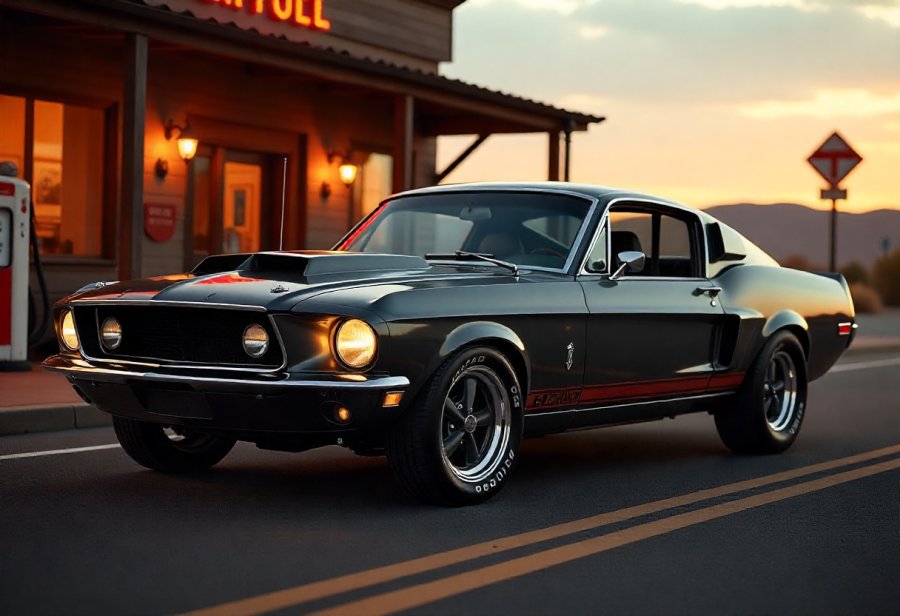
Looking Ahead: The Future of the Mustang and Its Enduring Legacy
The future of the Ford Mustang is set to be as dynamic and innovative as its storied past. As the automotive industry shifts toward sustainability, Ford is investing heavily in electric and hybrid versions that promise to deliver the same exhilarating performance and iconic style, but with a greener footprint. These upcoming models aim to retain the muscular stance and aggressive silhouette that define the Mustang, while integrating advanced technology like instant torque, quiet operation, and zero emissions. This blend of tradition and innovation ensures the Mustang remains relevant to both new and loyal fans.
Design-wise, future Mustangs are expected to uphold their signature look, enhanced by lightweight materials and aerodynamic improvements. Digital dashboards, smart connectivity, and driver-assistance features will become standard, transforming the driving experience into something more engaging and intuitive. These technological advancements will help the Mustang adapt to a rapidly evolving market without losing the emotional appeal that has long defined it.
Beyond technology, the Mustang’s cultural role is likely to deepen. Electric and hybrid models will attract environmentally conscious drivers seeking high performance alongside sustainability. Meanwhile, the existing enthusiast community will continue to celebrate and preserve the legacy through car shows, racing events, and creative modifications. Ford’s ongoing commitment to these communities will ensure that the Mustang remains more than just a car—it will be a symbol of resilience, ingenuity, and American spirit.
Balancing progress with tradition presents a challenge, especially for purists who worry that electrification might dilute the visceral muscle car experience. Ford’s ability to innovate without sacrificing the raw power and emotional connection that define the Mustang will be crucial. Success in this area will determine whether the car can maintain its legendary status as a symbol of freedom and performance.
Looking ahead, the Mustang’s legacy will hinge on how well it navigates these changes. If Ford continues to merge cutting-edge tech with its core values, the Mustang will remain a powerful icon for generations to come. Its role as an aspirational symbol of American resilience, adventure, and innovation will only grow stronger as it evolves with the times. The challenge—and opportunity—lies in staying true to its roots while embracing new horizons.
As the brand explores electrification and smart connectivity, the fundamental appeal of the Mustang endures. It will continue to inspire dreams of speed, freedom, and individuality, whether on the open highway or in the hearts of its fans. The car’s ability to adapt while honoring its heritage ensures that its influence will remain alive, shaping automotive culture for decades. The legacy of the Mustang is not just about performance; it’s about capturing a spirit that refuses to fade, no matter how far technology takes us.