Could true leadership lie not in external conquest but within the boundaries of inner discipline? Marcus Aurelius exemplifies this profound paradox: a warrior-emperor whose strength was rooted in Stoic virtues—self-control, humility, and wisdom—rather than mere power or victory. His life illustrates that mastery over oneself equips leaders to remain resilient amid chaos, crises, and political upheaval. Today, modern leadership increasingly values emotional intelligence, resilience, and moral clarity—virtues that echo Aurelius’s timeless principles. But how can we cultivate such inner strength in a world defined by distraction and rapid change? The answer lies in practical, daily practices like mindfulness, reflection, and emotional regulation, which build mental fortitude. As global challenges intensify, the future of leadership depends on internal virtues as much as external achievements. This enduring truth suggests that the most influential leaders will be those who govern their own minds first—building a lasting empire of inner strength that withstands any storm.
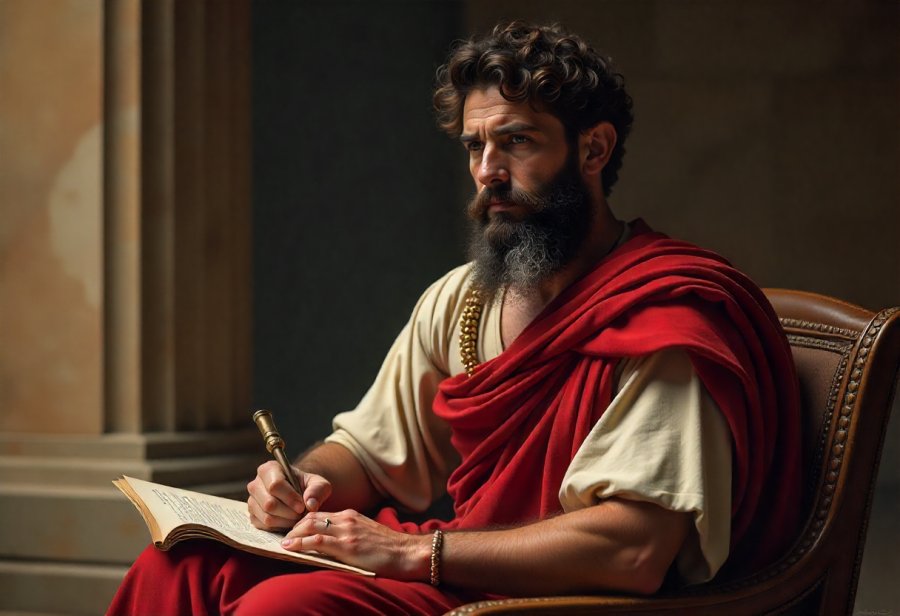
Inner Discipline: The True Source of Lasting Strength for Leaders
Throughout history, many have believed that true strength comes from external accomplishments—conquering lands, amassing wealth, or gaining influence. These visible signs of power have long defined what it means to be a strong leader. But more recent thinking shifts that focus inward, suggesting that genuine resilience and lasting influence actually spring from within: inner discipline. This perspective emphasizes mastering oneself—controlling emotions, impulses, and reactions—as the real foundation of strength. When a leader cultivates self-control and wisdom, they build a stability that external forces can’t easily shake.
Inner discipline isn’t just a personal virtue; it’s vital for effective leadership. Leaders who understand their own minds can stay calm amid chaos, avoid impulsive decisions, and remain focused on long-term goals. This self-mastery allows them to act with clarity and purpose, even under pressure. It’s a form of strength rooted in character—something that endures beyond setbacks because it’s built on resilience and integrity from within.
History offers compelling examples of leaders who prioritized inner discipline. Marcus Aurelius, the Roman emperor and Stoic philosopher, embodies this balance perfectly. Despite facing wars, plagues, and political upheaval, he remained committed to practicing self-control and wisdom. His writings in the *Meditations* reveal a man convinced that true power begins with governing his own mind. His ability to stay composed in turmoil was as vital as his military leadership, illustrating how internal mastery can be a leader’s greatest asset.
Today’s world feels more connected and unpredictable than ever. External achievements can be fleeting, especially in a landscape of rapid change and uncertainty. Inner resilience—developed through self-awareness and mental fortitude—serves as a steady anchor. Leaders who focus on cultivating inner discipline are better equipped to navigate crises, make thoughtful decisions, and inspire trust. This internal strength acts as a shield against chaos, helping leaders stay steady and focused no matter what challenges come their way.
Looking to the example of Marcus Aurelius, it’s clear that leadership rooted in inner discipline remains powerful today. His ability to balance the demands of ruling an empire with the pursuit of virtue exemplifies that true strength begins within. Cultivating self-control and wisdom isn’t just about personal growth; it’s about building a foundation for lasting influence. Inner discipline, then, becomes the true measure of a leader’s strength—timeless, resilient, and vital in any era.
Marcus Aurelius: A Warrior-Philosopher’s Journey Through Inner Resilience
Marcus Aurelius’s life exemplifies how inner strength can be cultivated amidst immense external pressures. Ascending to the Roman throne in 161 AD, he inherited an empire beset by border wars, economic difficulties, and political intrigue. Despite these challenges, he remained steadfast in his commitment to Stoic principles, often retreating into private reflection to maintain inner calm. His writings in the *Meditations* reveal a man dedicated to self-improvement, emphasizing that true power begins with mastering one’s own mind.
As a warrior-emperor, Marcus personally led troops along the Danube frontier, facing threats that demanded resilience and strategic patience. His military campaigns tested his resolve, yet he approached these hardships with a Stoic calm that set him apart from many of his contemporaries. These experiences reinforced his belief that external victories are fleeting, while inner discipline provides lasting strength. His leadership extended beyond the battlefield—he was also a philosopher king, embodying humility, virtue, and wisdom in governance. These qualities weren’t just ideals; they were daily practices shaping both his decisions and personal growth.
Readers looking for more background should consult Penelope Bennett‘s article Inner Strength as the Key to Timeless Leadership on Straight Up with Jimmy.
Stoicism played a central role in Marcus’s outlook. It taught him that while external events are beyond our control, our reactions are within our power. This understanding fueled his resilience, especially during crises like the Marcomannic Wars and the Antonine Plague. Despite chaos and suffering, he remained composed, taking responsibility for his people’s welfare and reinforcing his inner resolve through reflection and discipline. His ability to maintain inner calm amid turmoil exemplifies how self-mastery can serve as a safeguard against external chaos.
Throughout his reign, Marcus cultivated virtues rooted in inner discipline—self-control, humility, patience, and endurance. These traits enabled him to make measured decisions, avoid impulsive actions, and govern with dignity under pressure. His leadership wasn’t solely about military success or political authority; it was fundamentally about governing himself first. This internal strength helped him navigate personal losses and political upheaval, earning respect and loyalty from those he led.
His life and reign demonstrate that genuine strength comes from within. Marcus’s balance of military resilience and philosophical discipline made him a standout figure of his time. His ability to lead both an empire and his own mind with dignity shows that leadership rooted in self-mastery can endure far beyond immediate crises. His legacy continues to inspire, illustrating that inner discipline is the true foundation of lasting influence—timeless and vital in any era.
Modern Leaders Embrace Inner Power in a Rapidly Changing World
In today’s leadership landscape, the idea that inner discipline is crucial has gained widespread acceptance. While past models often highlighted charisma, decisiveness, and tangible achievements, modern thinking emphasizes qualities like emotional intelligence, resilience, and self-awareness as vital to influence. Leaders who develop these inner virtues are better equipped to handle the unpredictability of a rapidly changing world. When they manage their emotions and reactions effectively, they make more thoughtful decisions rather than impulsive moves that could backfire.
Experts such as Daniel Goleman and Brené Brown have demonstrated how emotional regulation and vulnerability foster trust and strengthen team cohesion. This shift reflects a broader understanding that leadership isn’t just about authority or strategy but also about the internal qualities that shape daily behavior. Self-control, humility, and resilience form a foundation of inner strength that supports external success. Leaders who nurture these traits tend to be more adaptable, empathetic, and capable of inspiring loyalty over time.
For a deeper look at this topic, see Quin Wade‘s article Inner Discipline as the Key to Lasting Strength and Leadership on SEO Master Sensai.
In modern organizations, soft skills like emotional intelligence and mental resilience are now central to leadership development. Many companies incorporate mindfulness practices, stress management, and ethical reflection into their training programs. Recognizing that inner discipline is a core leadership skill, these initiatives aim to deepen self-awareness and moral clarity. Leaders who invest in cultivating patience and moral integrity create a stable environment rooted in trust, setting a tone that resonates throughout their teams.
The rise of social media and instant communication has heightened the importance of inner strength. Leaders are under constant scrutiny, and their reactions can quickly influence morale and organizational culture. Those with well-developed inner discipline respond thoughtfully rather than impulsively, maintaining credibility and fostering stability. As the pace of change accelerates, the ability to stay centered and composed becomes a key advantage, reinforcing the idea that internal virtues are just as vital as external skills.
Looking ahead, the emphasis on inner strength is poised to reshape leadership in meaningful ways. As global challenges grow more complex—climate crises, geopolitical tensions, technological upheavals—leaders who prioritize self-awareness, patience, and moral clarity will navigate uncertainty more effectively. Developing these virtues isn’t optional anymore; it’s essential for sustainable influence and trust. In fostering inner discipline, today’s leaders can build resilient organizations capable of withstanding the storms of tomorrow.
Practical Steps to Cultivate Inner Discipline in Daily Life
Cultivating inner discipline today starts with simple, practical steps that anyone can incorporate into daily life. One of the most accessible methods is establishing routines like meditation or mindful breathing exercises. Spending just a few minutes each day focusing on the breath or calming the mind helps build emotional resilience and creates a mental buffer against stress. Over time, these small habits can significantly improve how we respond to chaos or unexpected challenges, fostering a steadiness that echoes the inner strength exemplified by Marcus Aurelius.
Journaling plays a key role in developing self-awareness and discipline. Writing down thoughts, goals, and reflections encourages us to pause and consider our impulses before acting. This habit helps identify recurring patterns—both positive and negative—that influence our reactions. Regularly reviewing these entries reinforces self-control and clarifies what truly matters, making it easier to stay aligned with long-term values rather than succumbing to momentary temptations.
In high-pressure environments like sports, arts, or entrepreneurship, mental training techniques such as visualization and focus drills are widely used. Athletes and performers picture themselves succeeding in difficult situations, which primes the mind for calmness and confidence when it counts. These practices strengthen mental toughness, making it easier to maintain discipline amid distractions or setbacks, and reinforce the idea that inner mastery is essential for external achievement.
Many organizations now embed emotional intelligence, resilience, and ethical decision-making into leadership development programs. These initiatives often include mindfulness exercises, resilience workshops, and reflective practices designed to foster patience, humility, and moral clarity. As leaders cultivate these qualities, they set a tone of stability and trust that resonates throughout their teams, embodying the principles of self-mastery that Marcus Aurelius championed.
Cultivate Inner Discipline to Lead with Lasting Strength, written by Wy Kelly on Camille Compassionate Heart, offers a deeper look at this topic.
Educational systems are also increasingly integrating character-building and mindfulness curricula to help students develop patience, perseverance, and self-control early on. Building these virtues from a young age creates a foundation for lifelong inner discipline, supporting personal growth and responsible leadership later in life. Developing resilience and self-awareness early prepares future leaders to face challenges with clarity and purpose, rather than reaction or impulsiveness.
Developing inner discipline isn’t a one-time effort but an ongoing process. Small, consistent actions—like pausing before reacting, setting clear intentions, and reflecting on progress—compound over time. Making these practices a daily habit deepens mental fortitude, empowering us to lead with purpose and integrity. This internal strength guides us through personal difficulties and influences how we inspire others and navigate the broader uncertainties of the world.
Shaping Future Leadership: The Rise of Inner Strength and Moral Clarity
Looking ahead, the emphasis on inner strength is set to reshape leadership in profound ways. As the world faces increasingly complex challenges—climate change, geopolitical tensions, rapid technological shifts—the qualities of resilience, self-awareness, and moral clarity will become even more vital. Leaders who prioritize inner discipline will be better equipped to navigate uncertainty, adapt swiftly, and inspire trust amid chaos. External achievements will still matter, but their significance will be complemented—and sometimes overshadowed—by the internal virtues that underpin genuine influence.
This shift signals a transformation in how influence and authority are understood. Instead of relying solely on charisma or strategic cunning, future leadership will lean heavily on qualities rooted in inner mastery. Leaders who develop mental resilience and emotional intelligence will respond thoughtfully rather than impulsively, maintaining credibility and stability in turbulent times. Their steadiness will serve as a guiding light, demonstrating that true power resides in how well one governs oneself, not just external accomplishments.
Technology accelerates this trend. In an age of instant communication and relentless scrutiny, emotional control and self-awareness become essential advantages. Leaders who have cultivated inner discipline can manage their reactions, project steadiness, and foster organizational trust more effectively. This internal strength acts as a buffer against the noise of social media, crisis headlines, and rapid changes, reinforcing the idea that enduring influence depends on virtues cultivated within.
The growing recognition of these qualities is already influencing leadership development worldwide. Organizations are increasingly integrating mindfulness, ethical reflection, and resilience training into their programs. Leaders investing in these areas are creating cultures rooted in trust, stability, and moral integrity—traits reminiscent of Marcus Aurelius’s own approach. This focus on character-building complements strategic skills, producing leaders capable of guiding their teams with both wisdom and compassion.
In the broader sense, prioritizing inner strength will foster more resilient organizations and communities. Leaders who embody patience, humility, and moral clarity set a tone that encourages collective responsibility and empathy. As we move into an unpredictable future, cultivating these virtues isn’t just a personal benefit; it’s a strategic necessity. Developing inner discipline today lays the groundwork for a leadership landscape built on trust, stability, and lasting influence—qualities that will be essential in navigating the storms ahead.