As winter’s icy grip tightens, many drivers wonder if investing in winter tires truly offers the safety boost they promise or if it’s merely a costly myth. These tires are engineered with softer rubber compounds and aggressive tread patterns that stay flexible in freezing temperatures, providing superior grip on snow and ice. But do their benefits justify the expense, especially in milder climates? This preview explores the science behind their performance—how increased friction, shorter braking distances, and better vehicle control can transform winter driving from a perilous task into a safer experience. Yet, even with winter tires, caution remains essential: slow driving, ample following distances, and smooth maneuvers are critical. Are winter tires the ultimate safeguard against winter’s hazards, or just one piece of a complex safety puzzle? Discover the truth that could redefine your approach to cold-weather driving and potentially save your life.

Why Winter Tires Are Your Frontline Defense on Icy Roads
As winter approaches, many drivers start thinking about how to stay safe on icy, snow-covered roads. Cold mornings, shorter daylight hours, and the persistent threat of slipping behind the wheel become daily concerns. It’s natural to wonder whether switching to winter tires truly makes a difference in handling and safety during these months or if it’s just a costly myth. While the idea has been around for decades, understanding what science and real-world experience say about their effectiveness can help you make smarter choices for your vehicle.
Winter tires are designed with specific features that set them apart from all-season or summer tires. When temperatures drop below freezing, the rubber in regular tires hardens, reducing their grip on icy surfaces. Winter tires use softer rubber compounds that stay flexible even in extreme cold, allowing the tire to better conform to uneven surfaces like ice and snow. This flexibility plays a crucial role in maintaining contact with the road, providing improved traction and control when it matters most. Alongside the rubber, their tread patterns are deeper and more aggressive, with larger grooves and biting edges that dig into snow and ice, further enhancing grip.
Many drivers assume that simply installing winter tires guarantees safety on icy roads. While they do significantly improve grip, their effectiveness depends on proper installation, tread depth, and driving habits. They’re most beneficial in regions where winter weather is severe and persistent, but less so in milder climates. Some skeptics argue that the benefits are overstated or only noticeable in specific situations. However, data and driver reports consistently show that vehicles equipped with winter tires are less likely to slip or skid on icy and snowy surfaces. Knowing how they work and where they excel can help manage expectations and prevent overreliance on them as a magic fix.
The science behind winter tires explains why they outperform all-season tires in cold conditions. Their softer rubber compounds remain pliable, maintaining better contact with icy or snowy roads, which translates into shorter braking distances and more predictable handling. The deeper tread pattern and embedded sipes create numerous biting edges that grip snow and ice effectively. These features work together to generate more friction, giving drivers increased confidence and safety as they navigate winter’s toughest challenges. It’s this combination of materials and design that makes winter tires a valuable safety tool during the cold months.
Of course, winter tires are not a foolproof solution. No tire can entirely eliminate the risks of winter driving, especially if other safety precautions are ignored. Excessive speed, sudden maneuvers, or reckless driving still pose dangers. Their benefits are maximized when combined with cautious driving, proper vehicle maintenance, and awareness of road conditions. Choosing reputable brands and ensuring adequate tread depth can also make a difference. In milder winters, the performance advantage diminishes, but in areas with harsh weather, investing in winter tires often proves to be a wise decision that enhances safety and control when you need it most.
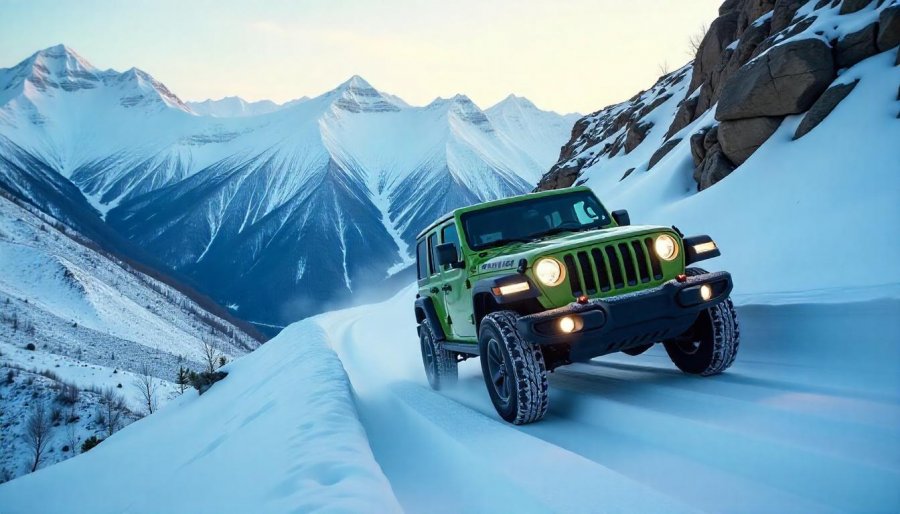
Unveiling the Science That Powers Winter Tire Performance
Winter tires are engineered with specific materials and tread patterns that give them an edge in cold, icy conditions. At the core of their performance is the rubber compound. Unlike standard tires that tend to harden when temperatures fall, winter tires use softer, more pliable rubber formulations. This flexibility allows the tire to maintain better contact with the road surface, even when ice or snow is present. When rubber remains soft and adaptable, it can deform around irregularities like icy patches or packed snow, creating a more stable grip and reducing the risk of slipping.
The tread pattern of winter tires complements this advanced rubber technology. These tires feature deeper, more aggressive grooves designed to channel snow, slush, and water away from the contact patch. This prevents the tire from riding on top of slippery surfaces and instead ensures direct contact with the underlying ice or snow. Embedded sipes—tiny cuts within the tread blocks—play a crucial role here. They generate numerous biting edges, acting like tiny claws that grip icy surfaces and snowdrifts. These edges significantly increase friction, resulting in better grip, shorter braking distances, and more responsive steering.
The principles behind these design elements are rooted in friction and deformation. Cold weather causes regular tires to lose flexibility, making it harder for them to conform to uneven surfaces. This rigidity leads to decreased grip and a higher chance of skidding. In contrast, winter tires’ softer rubber can deform more easily, increasing the contact area with icy or snowy roads. This expanded contact patch enhances friction, helping the vehicle stay controllable and secure. The deeper tread and sipes amplify this effect by allowing the tire to cut into snow and ice rather than skimming over it, which creates a more secure grip.
This combination of material and design results in tangible safety benefits. The increased friction from the softer rubber and enhanced tread features means shorter stopping distances and more predictable handling on icy roads. The bites from the sipes create a multitude of gripping edges, which are especially effective on slick surfaces. This extra grip can be the difference between a safe stop and a dangerous skid, giving drivers the confidence to navigate winter roads more safely. It’s a synergy that’s hard to replicate with other tire types, making winter tires a vital part of cold-weather driving.
Proper installation and maintenance are essential to realize these benefits fully. Worn-out tires with shallow tread depths or improper mounting can negate the advantages of their advanced design. The effectiveness of winter tires also depends on temperature; their performance peaks in temperatures below freezing, where their unique rubber compounds remain pliable. In milder winter conditions, the performance gap between winter tires and all-season tires narrows, which means the investment may not always be justified in less severe climates.
The physics behind winter tires highlights why they outperform standard tires in cold, icy conditions. Their softer rubber stays pliable where regular tires harden, maintaining better grip. The deeper grooves and multiple sipes increase the number of biting edges, which dig into snow and ice effectively. This design not only enhances traction but also ensures more controlled and stable handling. When these features work together, they create a safer driving experience, especially in environments where ice and snow are persistent.
It’s worth noting that winter tires are not a foolproof solution. They significantly improve safety but do not eliminate all risks associated with winter driving. No tire can fully prevent skidding or accidents if other safety measures—like cautious driving and awareness of road conditions—are ignored. Their benefits are maximized when paired with cautious driving habits and proper vehicle maintenance. Recognizing the limits of winter tires helps set realistic expectations and encourages responsible use.
In summary, the technological and physical principles behind winter tires—namely, their specialized rubber compounds and tread designs—are what make them more effective in cold, icy conditions. By staying flexible and creating more biting edges, they generate increased friction, shorten braking distances, and improve vehicle control. This combination of materials and design is why winter tires often outperform all-season options when the roads turn treacherous, providing drivers with a crucial safety advantage in the winter months.

Essential Winter Driving Tips to Stay Safe on Snow and Ice
Driving on icy and snow-covered roads demands more than just having the right tires; it calls for a cautious mindset and deliberate habits that keep you safe. The first step is to slow down well below your usual speed. In winter conditions, a slower pace isn’t just about comfort—it’s about giving yourself the control needed to respond to unexpected slips or skids. Reducing your speed increases your reaction time and shortens your stopping distance, which can be the difference between a safe stop and a collision.
Maintaining a generous following distance is equally critical. On icy roads, even a slight increase in speed or a quick turn can lead to loss of traction. Extending your usual gap to at least three times longer gives you plenty of space to react if the vehicle ahead suddenly brakes or slides. This extra room can prevent pile-ups and give you time to steer out of trouble if needed. Remember, patience and space are your best tools in winter driving.
Smooth, gentle inputs are key to maintaining control. Accelerate gradually to avoid overwhelming the tires, and brake softly to prevent wheel lockups. Sharp or sudden movements can cause tires to lose grip, especially on slick surfaces. If your vehicle is equipped with anti-lock brakes, press the pedal firmly and hold steady—pumping can reduce braking effectiveness on icy patches. Steering should be deliberate and gentle; avoid overcorrecting if you start to slide, as this can make the situation worse.
Before setting out, prepare your vehicle thoroughly. Clear all snow and ice from the windshield, mirrors, and lights to maximize visibility. Check that your tires are properly inflated and have sufficient tread depth. Under-inflated or worn tires are less effective in icy conditions. Keep a winter-ready emergency kit in your car—include a blanket, an ice scraper, a small shovel, and some sand or kitty litter to provide extra traction if you get stuck. These small preparations can make a big difference if the unexpected happens.
Choosing your routes wisely can also enhance safety. Stick to main roads that are more likely to be salted and plowed. Avoid shortcuts or less-maintained roads, which can be treacherous due to untreated ice or snow. As you approach intersections and curves, slow down even further. These spots are more prone to skidding or losing control. Lighten your steering inputs and take your time to navigate these areas carefully. Patience here can prevent a sudden slide or spin-out.
Stay alert for black ice—those transparent patches that look wet but are deadly slick. Black ice often forms on shaded areas, bridges, or overpasses, where temperatures drop faster. Adjust your speed accordingly and scan the road surface constantly. If conditions are especially icy or snowy, consider postponing your trip. Sometimes, the safest decision is to stay off the road until conditions improve. Patience and caution aren’t just advice—they’re essential in winter weather.
If your vehicle begins to slide, keep calm. Ease off the accelerator to reduce your speed and gently steer into the skid—never overcorrect or slam the brakes. Overcorrecting can spin the vehicle or make you lose control altogether. Once the tires grip again, straighten the wheel gradually and accelerate cautiously. Remember, winter tires significantly improve grip, but they’re not a license to drive recklessly. Staying composed and controlled is your best defense against winter’s surprises.
Practicing these habits consistently transforms winter driving from a stressful challenge into a manageable task. Drivers who slow down, keep a safe following distance, and adopt smooth steering and braking habits report fewer near-misses and accidents. Pairing cautious driving with properly maintained winter tires creates a safer environment for everyone on the road. It’s about making smart, deliberate choices every time you get behind the wheel—especially when the roads are coated in ice and snow. Staying alert, prepared, and patient helps ensure you arrive safely, no matter how tough winter gets.