Nylon, a marvel of modern textiles, has woven itself into our daily routines, from clothes to industrial products. But at what environmental cost? Its production relies heavily on fossil fuels, releasing greenhouse gases and pollutants that accelerate climate change. Once in use, nylon’s durability means it persists for centuries, fragments into microplastics, and infiltrates ecosystems, harming marine life and entering the human food chain. The process of creating and disposing of nylon reveals a troubling paradox: convenience and longevity come at the expense of environmental health. Can innovations like recycling, bio-based nylons, and biodegradable fibers truly mitigate this impact? This compelling exploration challenges us to reconsider our dependence on synthetic materials and questions whether sustainable alternatives can balance human needs with planetary well-being. As the hidden toll of nylon becomes clearer, the urgency to shift towards responsible production and consumption grows—before it’s too late.

Unveiling Nylon’s Hidden Environmental Toll
Nylon is one of the most familiar synthetic materials in our daily lives, from the clothes we wear and the carpets under our feet to the sports gear we rely on. Its strength, elasticity, and affordability have made it a staple for manufacturers and consumers alike. We often don’t think twice about these everyday products, assuming they’re just part of life’s conveniences. But behind this ubiquity lies a complex web of environmental issues that are less visible but far from insignificant.
Created through chemical processes rooted in fossil fuels, nylon’s production depends heavily on oil and natural gas. These non-renewable resources are extracted from the earth, refined, and transformed into petrochemicals like benzene, cyclohexane, and adipic acid—key ingredients in nylon manufacturing. The transformation involves energy-intensive reactions that release greenhouse gases and pollutants at multiple stages, contributing significantly to environmental degradation. The entire process—from resource extraction to chemical synthesis—relies on large amounts of energy, much of it derived from fossil fuels, which further fuels climate change.
Once produced, nylon fibers are spun into yarns and woven into fabrics that are notable for their durability and resistance to wear. This resilience is precisely what makes nylon products last so long, but it also means they resist natural breakdown. Discarded nylon items can persist in landfills for decades or even centuries, slowly fragmenting into tiny microplastics. These microfibers are now recognized as a major source of pollution, infiltrating ecosystems and entering the food chain. Every time we wash nylon garments, millions of microfibers are released into waterways, many of which escape filtration and find their way into oceans and lakes, where marine life ingests them—often with devastating effects.
Microplastic pollution from nylon isn’t limited to aquatic environments. Microfibers settle into soils and sediments, disrupting natural processes and harming terrestrial organisms. Marine animals mistake microplastics for food, leading to internal injuries, reproductive issues, and death. As microplastics accumulate in the ocean’s food web, they pose a threat to a broad range of species, including those humans consume. The impact extends beyond wildlife; chemical contaminants from nylon fibers can also transfer into seafood, raising concerns about human health.
The environmental costs of nylon production also include emissions of greenhouse gases like carbon dioxide and nitrous oxide—potent drivers of climate change. These gases are released during chemical synthesis, especially when managing waste and emissions from factories. In regions with lax environmental regulations, pollution from nylon manufacturing can severely impact local air and water quality, affecting nearby communities’ health and ecosystems. The reliance on fossil fuels for raw material extraction and processing ties nylon directly to the ongoing climate crisis, highlighting its role as a significant contributor to global warming.
Addressing these issues calls for innovative solutions and systemic change. Recycling technologies are improving, enabling nylon waste to be broken down and reprocessed into new fibers, closing the loop on its lifecycle. Researchers are exploring bio-based nylons derived from renewable plant sources, which could reduce dependence on fossil fuels. Additionally, biodegradable fibers that mimic nylon’s properties are in development, offering the possibility of products that break down more quickly after disposal. While promising, these advances require industry-wide adoption and regulatory support to truly make a difference. Recognizing nylon’s environmental footprint prompts us to reconsider our reliance on synthetic fibers and seek more sustainable alternatives that balance convenience with responsibility.
The Chemical Foundations and Evolution of Nylon
Nylon has revolutionized the textile industry since its invention in the 1930s, offering a synthetic alternative to natural fibers like silk and cotton. Its development marked a major breakthrough in materials science, providing a fiber that was not only stronger and more elastic but also highly resistant to wear, chemicals, and environmental factors. This combination of qualities quickly made nylon a staple in everything from clothing and carpets to industrial applications such as fishing lines and automotive parts, embedding it deeply into modern life.
At its core, nylon belongs to the polyamide family, characterized by long chains of repeating units linked by amide bonds. These chemical structures are what give nylon its exceptional strength and flexibility. The two most common types—nylon 6 and nylon 6,6—differ slightly in their molecular makeup but serve similar purposes. Nylon 6 is produced from caprolactam, a chemical derived from petrochemicals, while nylon 6,6 results from a reaction between hexamethylenediamine and adipic acid. Both are synthesized through a process called polymerization, where small molecules, or monomers, chemically bond to form long chains known as polymers.
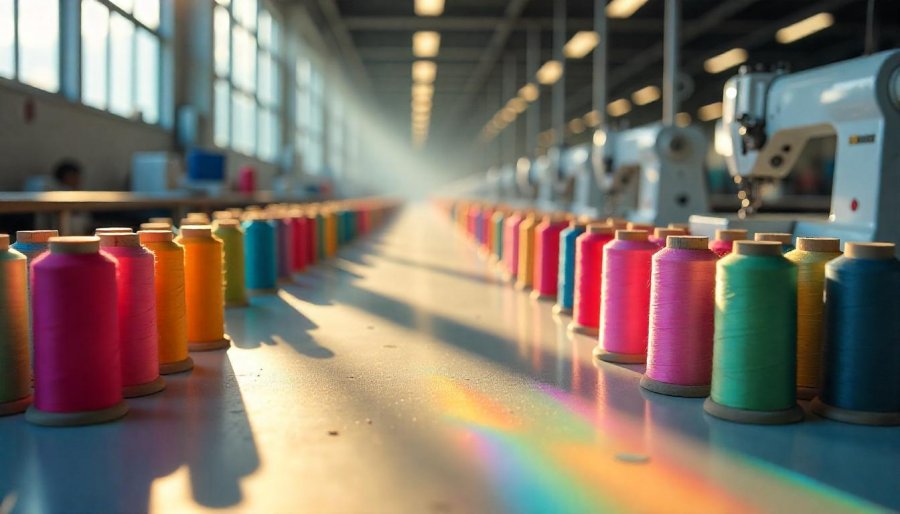
The journey from raw materials to finished fibers begins with fossil fuels—mainly oil and natural gas. These resources are extracted from the earth, refined into petrochemicals, and then processed into chemical building blocks like benzene, cyclohexane, and adipic acid. These chemicals are essential for creating nylon but require energy-intensive reactions that release greenhouse gases and pollutants. During polymerization, these chemicals are combined under high heat and pressure to produce nylon salt, a molten mixture from which fibers are spun. The spinning process itself consumes additional energy, often resulting in emissions of carbon dioxide and other pollutants.
Producing nylon isn’t just about creating a durable fiber; it involves converting finite fossil fuel resources into a synthetic material through complex chemical processes. This transformation carries significant environmental costs, including habitat disruption, pollution, and high energy consumption. The extraction of oil and natural gas damages ecosystems and poses risks of spills and contamination. Meanwhile, the chemical reactions used to synthesize nylon require vast amounts of energy, primarily sourced from fossil fuels, further contributing to climate change. The chemicals involved in production can also generate waste byproducts and emissions that threaten air and water quality if not properly managed.
Once manufactured, nylon fibers are spun into yarns and woven into fabrics that are remarkably resilient. This durability is what makes nylon products so long-lasting, but it also means they resist natural breakdown. Discarded nylon items can linger in landfills for decades or even centuries, gradually fragmenting into microplastics—tiny fibers that easily disperse into soil and waterways. Washing nylon garments releases millions of microfibers into wastewater, most of which bypass filtration systems and end up in oceans and lakes. Marine life ingests these particles, often with fatal consequences, and microplastics then infiltrate the food chain, posing risks to human health as well.
The environmental impact of nylon extends beyond pollution and waste. Its chemical synthesis emits greenhouse gases like carbon dioxide and nitrous oxide—potent contributors to global warming. This link to climate change underscores nylon’s role as a significant, though often overlooked, player in environmental degradation. In regions with lax environmental regulations, factory emissions can severely harm local ecosystems and communities. The reliance on fossil fuels for raw materials also aggravates the depletion of finite resources, emphasizing the need for sustainable alternatives and smarter production methods.
Innovations are emerging to address these environmental challenges, with recycling technologies leading the way. Advanced methods now allow nylon waste to be broken down and reprocessed into new fibers, reducing reliance on virgin materials. Researchers are also exploring bio-based nylons derived from renewable plant sources, which could lessen dependence on fossil fuels. Additionally, biodegradable fibers that mimic nylon’s properties are under development, promising products that can break down more quickly after disposal. While these innovations show promise, widespread adoption and supportive policies are essential to truly transform nylon’s environmental footprint. Recognizing the chemical and structural foundations of nylon reveals both its remarkable qualities and the urgent need for sustainable practices in its production and use.
Nylon’s Toll: Pollution, Waste, and the Urgency for Change
Nylon’s environmental impact extends far beyond its initial creation, influencing every stage of its lifecycle with significant ecological consequences. The process of manufacturing nylon is highly energy-intensive, involving complex chemical reactions that release substantial amounts of greenhouse gases like carbon dioxide and nitrous oxide. These emissions contribute directly to global warming, intensifying climate change and its associated impacts on ecosystems and human societies. Factories producing nylon often operate in regions with lax environmental regulations, leading to local pollution that contaminates air and water sources, harming both wildlife and nearby communities.
Once nylon fibers enter the market, their durability becomes a double-edged sword. While this resilience ensures long-lasting products, it also means these materials resist natural decay, lingering in landfills for decades or even centuries. Over time, mechanical wear and environmental conditions cause nylon items to fragment into microplastics—tiny fibers that disperse into soil and water. These microplastics are now recognized as a major source of pollution, infiltrating ecosystems and threatening biodiversity. Marine animals mistake these microfibers for food, ingesting them and suffering internal injuries, reproductive issues, and sometimes death. Such impacts disrupt food webs and threaten species at all levels, including those humans rely on for food.
Microplastic pollution from nylon isn’t confined to oceans. Microfibers shed from worn or washed nylon textiles settle into soils and sediments, disrupting natural processes and harming terrestrial organisms. When nylon garments are washed, millions of microfibers are released into wastewater. Most treatment plants lack the capacity to filter out these tiny particles, allowing them to flow into rivers, lakes, and oceans. Marine life ingests these fibers, which can cause internal injuries, impair reproduction, and diminish survival rates. As microplastics accumulate, they move up the food chain, eventually affecting human health through seafood consumption and environmental exposure.
The chemical emissions during nylon production amplify its environmental footprint. The synthesis of nylon involves high-temperature reactions that release greenhouse gases, contributing further to climate change. In addition, the chemicals involved in manufacturing—such as benzene, cyclohexane, and adipic acid—can generate hazardous waste byproducts. If waste management practices are inadequate, these byproducts contaminate air, soil, and water, posing health risks to nearby communities and ecosystems. This cycle of pollution underscores how nylon’s lifecycle is intertwined with broader environmental challenges, from local pollution hotspots to global climate impacts.
Addressing these issues requires innovative solutions and systemic shifts in how we produce and consume nylon. Recycling technologies are advancing, allowing nylon waste to be broken down into raw materials and reprocessed into new fibers, reducing reliance on virgin fossil fuels. Researchers are exploring bio-based nylons derived from renewable plant sources, which could significantly cut down the material’s carbon footprint. Additionally, biodegradable alternatives that mimic nylon’s qualities are under development, promising products that can break down more quickly after disposal. However, widespread adoption hinges on industry commitment, supportive regulation, and consumer demand for more sustainable options.
Despite these promising developments, challenges remain. Recycling processes are not yet universally available or efficient enough to handle the volume of nylon waste generated globally. Bio-based and biodegradable fibers often come at a higher cost and may not yet match nylon’s performance standards in durability and versatility. Scaling up these innovations requires coordinated efforts across industries, governments, and consumers. Without such systemic change, nylon’s environmental impacts will continue to grow, exacerbating pollution and resource depletion.
Recognizing nylon’s full environmental footprint helps us see the interconnectedness of resource extraction, chemical manufacturing, waste management, and pollution. It highlights the urgent need for smarter, more sustainable practices that prioritize reducing, reusing, and recycling. Transitioning toward greener materials and improving waste collection systems can mitigate nylon’s ecological toll, but meaningful progress depends on collective action. As consumers, industries, and policymakers become more aware of these impacts, they can drive demand and support innovations that align with a healthier planet.
In the end, nylon exemplifies the complex trade-offs of modern materials—offering unmatched durability and utility but at a significant environmental cost. Its lifecycle from fossil fuel extraction to microplastic pollution reveals the hidden toll of materials we often consider everyday commodities. Addressing these challenges requires rethinking our approach to materials, fostering innovation, and embracing more responsible consumption. Only then can we balance human needs with the health of our ecosystems, ensuring that the convenience of nylon does not come at the expense of our future.