Uncover the astonishing strategies and relentless ambition that transformed Alexander the Great from a young prince into one of history’s most legendary conquerors. How did his visionary leadership, blending military innovation with cultural fusion, reshape entire civilizations and redefine empire-building? This narrative reveals that Alexander’s success was driven not solely by talent but by unwavering purpose, daring improvisation, and psychological mastery—traits that continue to inspire modern leadership. His ability to adapt swiftly across diverse terrains, inspire loyalty through personal example, and forge interconnected realms through cultural integration exemplifies timeless principles of strategic brilliance. Yet, amid his extraordinary achievements lies a profound question: How does one balance conquest with cultural sensitivity to create a lasting legacy? This story invites readers to explore the depths of ambition, innovation, and resilience that made Alexander a symbol of cross-cultural synthesis and visionary leadership—an enduring legacy that still echoes in today’s world.
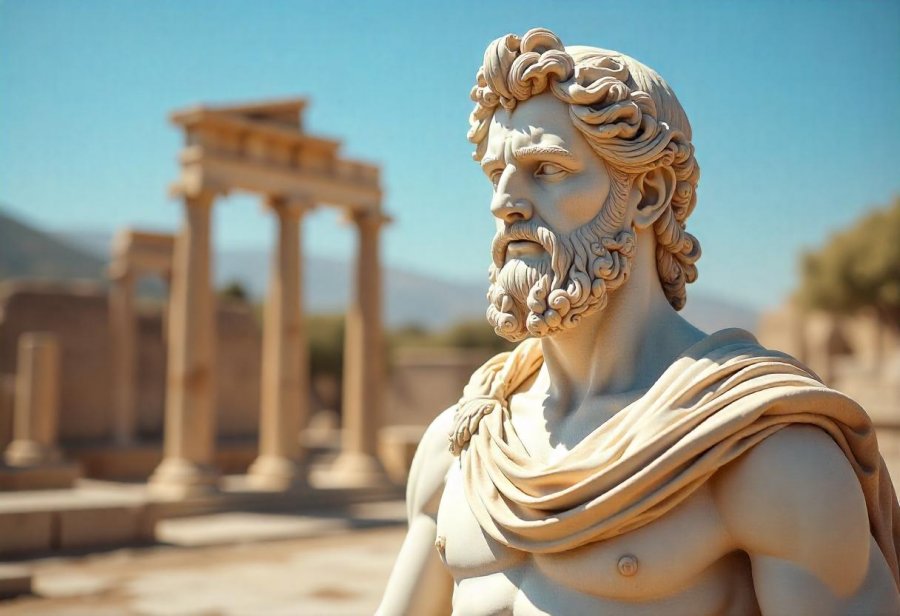
Unveiling Alexander the Great: Legacy, Strategies, and Ambition
Alexander the Great remains one of history’s most enduring figures, not merely for the vastness of his conquests but for the profound legacy he left behind. His campaigns reshaped the geopolitical landscape of the ancient world, stretching from Greece through Egypt and deep into Persia. Yet, what elevates his story beyond mere military achievement is the cultural and political transformation that followed—an influence that rippled through civilizations for centuries. His relentless drive for greatness was not simply about territorial expansion but about forging a new world order rooted in shared ideas, cultural fusion, and a vision that transcended borders.
What truly sets Alexander apart from other conquerors is his unwavering ambition, which propelled him beyond what others might consider the limits of human endeavor. Tactical brilliance and battlefield innovation are often celebrated, but they served a larger purpose: to leave a legacy that would endure long after the territories he conquered faded into history. His leadership combined strategic genius with personal magnetism, inspiring loyalty and awe among his followers. This relentless pursuit of almost mythic greatness transformed him into a symbol of visionary leadership—an icon whose influence continues to echo in modern concepts of empire, cultural integration, and command.
Understanding the secret of Alexander’s success requires examining the interplay of his personal motivations, strategic mindset, and the cultural environment he inherited. Born in 356 BCE in Pella, Macedonia, he was shaped by an aristocratic upbringing and the reforms of his father, Philip II. Philip’s military innovations and political reforms laid a foundation that allowed Macedonia to challenge and eventually topple the Greek city-states’ dominance. Meanwhile, Aristotle’s mentorship expanded Alexander’s horizons, instilling a love for Greek culture and a curiosity about the wider world—traits that would become central in his approach of blending diverse traditions into his empire. This blend of military discipline, philosophical education, and strategic vision created a leader uniquely equipped to reshape history.
The turbulent aftermath of Philip’s assassination in 336 BCE introduced a critical phase for Alexander. Despite inheriting a stabilized kingdom, internal dissent, regional rivalries, and external threats persisted. The young king’s swift consolidation of power—marked by decisive military actions and shrewd diplomacy—demonstrated qualities of resilience, adaptability, and strategic foresight. These early trials revealed a leader capable of turning chaos into opportunity. His ability to navigate these challenges laid the groundwork for his later conquests and established a reputation for bold, innovative leadership that would define his entire career. It was in these formative moments that the qualities of resilience and strategic clarity became hallmarks of his character.
As Alexander’s campaigns expanded, so did his understanding of the importance of cultural sensitivity and political diplomacy. He recognized that conquering territories was only the beginning; sustaining control required integrating diverse peoples into a cohesive whole. The founding of cities like Alexandria was not just military outposts but symbols of a new interconnected world—places where Greek and Eastern traditions could meet, mingle, and flourish. His belief that a shared culture rooted in mutual respect could hold an empire together was revolutionary for the time and contributed significantly to the durability of his legacy. This approach often faced skepticism among his contemporaries, yet history suggests it was crucial in fostering loyalty and stability across his vast domain.
In weaving together ambition, strategic ingenuity, and cultural vision, Alexander’s story becomes more than a series of military victories. It is a narrative of a leader who saw beyond immediate borders, driven by a desire to reshape the world itself. His legacy is etched not only in the territories he conquered but also in the cultural bridges he built and the ideas he propagated across continents. The legend of Alexander the Great endures because he exemplified a visionary leader whose relentless ambition and innovative spirit redefined what it meant to lead, conquer, and leave a lasting mark on history.
Macedonia’s Roots: Foundations of a Conqueror’s Vision
The roots of Alexander the Great’s extraordinary ambitions are deeply embedded in the complex political and cultural landscape of Macedonia during the late 4th century BCE. At first glance, Macedonia might seem an unlikely birthplace for a leader who would forever reshape the ancient world. Often considered a peripheral region compared to the vibrant city-states of southern Greece, Macedonia’s true strength lay in its formidable military tradition rather than in cultural or political prominence. Beneath this modest exterior, however, lay a society molded by a highly disciplined aristocracy that prioritized martial prowess, loyalty, and strategic discipline—traits that would become central to Alexander’s leadership.
Alexander’s early influences extend beyond Macedonia’s geographic boundaries; they are rooted in his royal lineage and the education that would shape his worldview. Born in 356 BCE in Pella, the Macedonian capital, he was the son of King Philip II, a ruler who transformed Macedonia into a formidable regional power through relentless military reforms and shrewd diplomacy. Philip’s vision of a united Macedonia—fostered by a professional, disciplined army—set the stage for the empire that Alexander would later inherit. This foundation of military innovation and political consolidation allowed Macedonia to challenge and eventually dominate the Greek city-states, laying the groundwork for Alexander’s future conquests.
The profound influence of Aristotle, who began tutoring Alexander around the age of thirteen, cannot be overstated. His teachings extended beyond philosophy into strategic thinking, ethics, and the appreciation of Greek culture, science, and politics. The young prince absorbed lessons on leadership, the importance of cultural identity, and the value of knowledge—lessons that would inform his later approach of integrating diverse traditions into his empire. Aristotle’s emphasis on understanding different peoples and fostering a shared sense of human achievement helped shape Alexander’s conviction that empire-building could be rooted in cultural synthesis rather than mere domination.
The assassination of Philip II in 336 BCE plunged Macedonia into a turbulent period, yet it also revealed Alexander’s innate leadership qualities. Despite inheriting a kingdom already stabilized by his father’s reforms, internal dissent, regional rivalries, and external threats persisted. Many Macedonian nobles and generals harbored ambitions of their own, and Alexander had to swiftly consolidate power through a combination of military action and diplomatic skill. His ability to quell rebellions and secure loyalty among his supporters demonstrated an instinct for resilience and strategic clarity—traits that would serve him throughout his campaigns. These early years of leadership revealed a young ruler capable of turning chaos into opportunity, setting the stage for his extraordinary future.
Externally, Macedonia faced threats from neighboring tribes and wary Greek city-states that viewed Macedonia’s rise with suspicion or hostility. Although historically seen as a militarized frontier, Macedonia also benefited from the cultural currents flowing from Greece—ideas about politics, philosophy, art, and science that would influence Alexander’s worldview. Philip’s diplomatic strategies and military alliances exploited these tensions, positioning Macedonia as a rising power and preparing Alexander to inherit a realm already adept at navigating complex networks of loyalty and rivalry. These early political and military lessons in managing alliances and adversaries would prove invaluable as Alexander embarked on his own expansive campaigns.
Macedonia’s military ethos was rooted in rigorous training, innovative tactics, and adaptability. Under Philip’s reforms, the army evolved into a professional force capable of executing complex maneuvers and responding swiftly to battlefield challenges. Alexander inherited this formidable military machine and demonstrated a keen understanding that victory depended not only on strength but also on tactical ingenuity and psychological warfare. His exposure to Macedonia’s disciplined military culture fostered a mindset that prioritized innovation, resilience, and the capacity to exploit terrain and enemy weaknesses—elements that would define his approach to conquest. From the outset, he recognized that success lay in not just fighting battles but in mastering the art of strategic adaptation.
The broader Greek world was experiencing a period of upheaval and transition during Alexander’s formative years. The decline of the classical city-states’ dominance, coupled with internal strife and external invasions, created a landscape ripe for Macedonian expansion. Philip II capitalized on these tensions, using diplomacy and military strength to forge alliances and weaken traditional rivals. This environment of instability and opportunity shaped Alexander’s understanding of power, diplomacy, and the importance of swift, decisive action. His early experiences managing fragile alliances and navigating the fractured Greek political scene honed his diplomatic finesse, skills that would be crucial in consolidating and expanding his empire.
In sum, the early history of Macedonia and the influences that shaped Alexander’s worldview reveal a leader molded by a unique blend of military discipline, philosophical insight, and political acuity. His upbringing cultivated resilience, strategic innovation, and cultural awareness—traits that would enable him to transform Macedonia from a peripheral kingdom into an empire that redefined history. Recognizing this background provides essential context for understanding how Alexander’s ambitions were not born in a vacuum but were the product of a society, education, and political environment that valued resilience, adaptability, and the pursuit of greatness. This foundation set the stage for his extraordinary campaigns and the legendary legacy that continues to captivate the world.

Strategies of Sovereignty: Leadership and Tactics that Shaped an Empire
Alexander’s core strategies and leadership qualities reveal a leader whose tactical ingenuity was matched by an unwavering personal drive. From the outset, it’s evident that his military innovations, particularly the integration of the Macedonian phalanx with highly mobile cavalry units, exemplify a sophisticated understanding of battlefield dynamics. This combination allowed him to outmaneuver larger, more established armies by exploiting vulnerabilities and creating opportunities for decisive strikes. His ability to coordinate these forces effectively was a hallmark of his strategic thinking, enabling him to adapt traditional Macedonian tactics to a wide array of terrains and enemies. The victory at Gaugamela, for instance, was not merely a matter of superior numbers but the result of daring, well-planned maneuvers—most notably his double envelopment—that caught the Persian forces off guard and cemented his reputation as a tactical innovator.
Beyond battlefield tactics, Alexander’s leadership was characterized by an extraordinary capacity to inspire loyalty and courage among his troops. Unlike many ancient commanders who led from the rear, he often fought alongside his soldiers, sharing their hardships and dangers. This personal involvement fostered a bond of trust and admiration that proved crucial in maintaining cohesion during long campaigns across unfamiliar and often hostile territories. His charisma and example created a sense of shared purpose, transforming raw armies into cohesive, unstoppable forces. Soldiers believed in him not just for his strategic brilliance but because he embodied the qualities he demanded—courage, resilience, and dedication—making him a leader who motivated through example and shared sacrifice.
Alexander’s strategic flexibility further distinguished him from many of his contemporaries. He was not a leader bound by rigid plans; instead, he demonstrated an acute capacity to adapt swiftly to shifting circumstances on the battlefield and in the campaign landscape. Whether facing rugged mountain passes, vast deserts, or unfamiliar enemies, he adjusted tactics to exploit terrain features and enemy weaknesses. This adaptability extended to logistics, where he innovated supply lines and formed local alliances to sustain his armies deep in enemy territory. His willingness to deviate from orthodox military doctrine—sometimes risking overextension—stemmed from a relentless ambition to push beyond known boundaries. Such flexibility made his campaigns unpredictable and often overwhelming for adversaries, who struggled to anticipate his next move.
Central to Alexander’s success was an unshakeable ambition intertwined with a broader vision of cultural synthesis and legacy. He sought to merge Greek and Eastern traditions, encouraging his officers and soldiers to adopt local customs and fostering marriages between his generals and native elites. This strategic cultural integration aimed to create a unified empire that could endure beyond mere territorial conquest. His founding of cities like Alexandria exemplified this approach—serving not only as military outposts but as centers of cultural and political exchange where Greek and local traditions could meet and influence each other. His conviction that shared values and mutual respect could sustain a vast, diverse empire was revolutionary, helping to diminish resistance and fostering loyalty across different peoples. This nuanced strategy of cultural fusion reinforced the stability and cohesion of his expanding domain.
Psychological warfare played a critical role in Alexander’s campaigns, demonstrating that success often hinged on manipulating enemy perceptions and morale. His mastery in crafting surprise attacks, employing feints, and leveraging propaganda created an aura of invincibility that disoriented opponents before combat even began. Rumors of his daring exploits and relentless drive spread quickly, demoralizing enemies who were unable to grasp the full scope of his plans. Conversely, he cultivated an almost mythical aura within his ranks, inspiring unwavering loyalty and belief in his limitless potential. His perceptiveness in reading enemy psychology and exploiting weaknesses turned perception into a decisive weapon—an art form that magnified his military achievements and solidified his legendary status.
Logistics and operational planning formed the backbone of Alexander’s ability to sustain long, far-reaching campaigns. He pioneered methods that allowed armies to operate across vast, often hostile terrains with remarkable mobility. Utilizing local resources, establishing supply depots, and constructing infrastructure such as bridges and roads, he transformed logistical challenges into strategic advantages. This behind-the-scenes mastery of logistics ensured that his ambitions did not falter due to supply shortages or operational inefficiencies. His foresight and resourcefulness turned potential vulnerabilities into strengths, enabling him to maintain momentum and resilience even in the most daunting environments. This logistical prowess was just as vital as his battlefield ingenuity in forging an empire that spanned continents.
Finally, Alexander’s relentless pursuit of his grand vision—of merging worlds, creating a new cultural order—elevated him beyond a mere conqueror into a symbol of cross-cultural synthesis. His campaigns fostered interconnected realms where ideas, arts, and philosophies flowed freely, laying the groundwork for the Hellenistic civilization. His strategic foundations, combined with his cultural vision, helped create a legacy that persisted long after his death, influencing subsequent generations of leaders and thinkers. His ability to see beyond immediate conquest to long-term stability and cultural integration underscores a leadership style rooted in a profound understanding of human complexity. This holistic approach—integrating military, cultural, and psychological strategies—defines Alexander’s enduring legend, making him not just a military genius but a pioneer of a truly interconnected world.
The Legend Forged: Ambition, Innovation, and the Making of a Myth
Alexander’s transformation from a determined prince into a legendary conqueror hinges on a potent blend of relentless ambition and strategic brilliance. His drive was never merely for territorial expansion; it was rooted in a grand vision to reshape the world—a quest to forge an empire that would stand as a testament to human achievement and cross-cultural synthesis. This unwavering pursuit of greatness propelled him beyond the known frontiers of his era, often risking everything in pursuit of a legacy that would echo through history. His charisma and personal example created a magnetic aura, inspiring loyalty and admiration among his followers, while striking fear into his enemies, cementing his mythic status.
At the core of Alexander’s legend lies how his ambition magnified his tactical innovation. Unlike many military leaders who relied on inherited tactics or conventional strategies, Alexander’s relentless desire to push boundaries fueled an ongoing stream of inventive approaches. His campaigns were driven by a conviction that he was destined for greatness—a sense of divine purpose that infused every decision with resolve. This belief transformed each victory into a deliberate step toward creating a new world order, elevating him from a mere conqueror to a visionary architect of history. His confidence in his destiny fueled bold risks and bold moves that others might have avoided, making his achievements seem almost superhuman.
His strategic genius was demonstrated through a remarkable fusion of daring improvisation and meticulous planning. The victory at Gaugamela exemplifies this approach: daring maneuvers like the double envelopment caught the Persian army off guard and secured his reputation as a tactical innovator. Alexander’s capacity to adapt swiftly to shifting circumstances—whether navigating rugged mountains, crossing vast deserts, or confronting unfamiliar enemies—allowed him to exploit terrain features and enemy weaknesses with uncanny precision. His flexibility extended beyond battlefield tactics; he innovated logistical solutions, establishing supply lines and local alliances that sustained his armies deep within enemy territory. This relentless pursuit of pushing beyond known limits made his campaigns unpredictable and often overwhelming for adversaries, who struggled to anticipate his next move.
But conquering new lands was only part of his grand design; Alexander’s legend was also built on his personal qualities as a leader. Unlike many of his contemporaries, he fought alongside his soldiers, sharing their hardships and dangers firsthand. This personal involvement fostered a profound sense of trust and loyalty, transforming raw troops into an unstoppable, cohesive force. His charisma inspired unwavering dedication, and his example of resilience and courage motivated his armies even in the most daunting circumstances. By leading from the front, he demonstrated that true leadership involves sacrifice and shared purpose—traits that turned soldiers into believers in his vision and mission.
Cultural and political vision intertwined with his military pursuits, setting Alexander apart from other conquerors. He sought not just to dominate but to unify—merging Greek and Eastern traditions through marriages, city foundations, and encouraging his officers to adopt local customs. These efforts of cultural fusion aimed to create a resilient empire rooted in shared values and mutual respect. Cities like Alexandria became centers of cross-cultural exchange, where Greek ideas and local traditions intertwined, fostering loyalty and reducing resistance. This sophisticated approach to governance and integration laid the foundation for the enduring legacy of Hellenistic civilization—an empire built as much on cultural bridges as on military might, ensuring stability beyond mere conquest.
Ultimately, Alexander’s legendary status is the product of his relentless ambition and strategic genius working in tandem. His daring risks, innovative tactics, and unshakeable purpose transformed every campaign into a symbol of extraordinary achievement. His ability to combine military brilliance with a profound cultural vision created a legacy that endures centuries beyond his lifetime. Alexander’s story demonstrates that true greatness arises not solely from talent but from a relentless drive to leave a lasting impact—a vision so powerful that it redefines the limits of human potential and the very concept of empire. His legend continues to inspire, reminding us that ambition paired with strategic innovation can forge history itself.

Lessons from a Conqueror: Applying Alexander’s Wisdom to Modern Leadership and Strategy
Alexander’s strategies and leadership qualities continue to resonate profoundly today because they embody timeless principles of effective leadership and strategic thinking. Central among these is adaptability—his capacity to navigate unfamiliar terrains, diverse cultures, and unpredictable enemy tactics underscores the vital importance of flexibility in planning and execution. Modern leaders, whether in military, political, or corporate spheres, thrive when they can pivot swiftly in response to shifting circumstances, as Alexander repeatedly demonstrated during his campaigns across Persia’s rugged mountains or Egypt’s vast deserts. His ability to assess situations rapidly, weigh risks, and adjust tactics accordingly remains a core lesson in dynamic decision-making that endures beyond antiquity.
At the heart of Alexander’s enduring legacy lies his relentless ambition—a trait that fueled his strategic vision and transformed mere conquest into a quest for reshaping the world. Success in today’s complex environment often hinges on this kind of unwavering purpose. Whether launching a new enterprise, leading a team through crises, or pursuing long-term goals, having a transcendent and compelling vision sustains momentum through setbacks and obstacles. Alexander’s conviction that he was destined for greatness kept him pushing beyond logistical nightmares and formidable foes. This unwavering drive serves as a reminder that purpose and passion are often the catalysts that convert strategic plans into lasting impact.
Inspiration is a cornerstone of effective leadership, and Alexander exemplified this through his personal involvement. Unlike many commanders who led from the sidelines, he fought alongside his troops, sharing their hardships and dangers firsthand. This approach fostered a bond of trust and loyalty that proved crucial in maintaining cohesion over long, arduous campaigns. Today’s leaders who wish to motivate and unify their teams recognize that genuine inspiration stems from leading by example, demonstrating resilience, and embodying the values they promote. Alexander’s willingness to share risks created a sense of shared purpose—an essential element in transforming a collection of individuals into a cohesive, unstoppable force.
Psychological warfare and morale management remain relevant lessons from Alexander’s repertoire. His mastery in manipulating enemy perceptions—through surprise attacks, propaganda, and strategic symbolism—highlighted how victory often depends as much on the mind as on the sword. In contemporary contexts, understanding the psychology of opponents and allies alike can influence outcomes profoundly. Leaders who excel at building confidence within their teams, managing perceptions, and cultivating an aura of invincibility often sway difficult negotiations, inspire innovation, and foster resilience. Alexander’s perceptiveness in reading and shaping morale demonstrates that strategic success is rooted in controlling perceptions and exploiting psychological advantages.
Efficient logistics and operational planning stand as pillars of Alexander’s military achievements. His innovations—such as utilizing local resources, establishing supply depots, and building infrastructure—turned logistical challenges into strategic strengths. Modern organizations, whether military, corporate, or non-profit, depend on robust supply chains and resource management to sustain momentum. Leaders who focus on foresight, resourcefulness, and contingency planning can emulate Alexander’s logistical mastery, ensuring that ambitious goals remain achievable despite environmental and operational hurdles. His example underscores that behind every victory lies meticulous planning and the ability to adapt resources effectively to sustain long-term effort.
Cultural sensitivity and political acumen played crucial roles in consolidating Alexander’s empire. Recognizing that lasting control depended on more than military might, he promoted cultural fusion through marriages, city foundations, and encouraging local customs. This strategic integration minimized resistance and fostered loyalty, creating a sense of shared identity across diverse populations. Modern leaders understand that fostering genuine relationships, respecting local traditions, and promoting inclusivity are essential for building resilient alliances and organizations. Alexander’s approach reminds us that sustainable success often hinges on the ability to understand, respect, and integrate different perspectives, transforming conquest into lasting partnership.
Ultimately, Alexander’s relentless pursuit of his grand vision—merging worlds and creating a new cultural order—serves as a powerful blueprint for ambition-driven success. His daring risks, innovative tactics, and charismatic leadership turned each campaign into a symbol of extraordinary achievement. His strategic brilliance was matched by a profound cultural insight, enabling him to forge interconnected realms where ideas, arts, and philosophies flowed freely. Today’s leaders can draw inspiration from his example, seeing that combining innovation with a compelling purpose can elevate efforts beyond mere achievement to enduring legacy. Alexander’s story underscores that strategic ambition, when paired with adaptability and cultural awareness, can reshape history and set new standards for leadership excellence.