Step beyond the Hollywood glamour and discover Cleopatra VII as a masterful strategist whose true power lay in her intellect and political acumen. Born into a tumultuous court, she merged Egyptian traditions with Hellenistic diplomacy, forging alliances with Julius Caesar and Mark Antony not out of vanity, but from a deep understanding of influence, perception, and cultural literacy. Her education spanned rhetoric, philosophy, and multiple languages, making her a formidable leader who used symbolism, court rituals, and persuasive communication to legitimize her authority. Could her legacy be better understood as a blueprint for modern leadership—rooted in resilience, adaptability, and strategic influence—rather than mere beauty or charm? Cleopatra’s story challenges us to see leadership as a craft of knowledge and empathy, where power endures through mental agility, cultural awareness, and the artful shaping of perceptions. Her timeless lessons inspire contemporary leaders to harness the strength of their minds in an ever-changing world.
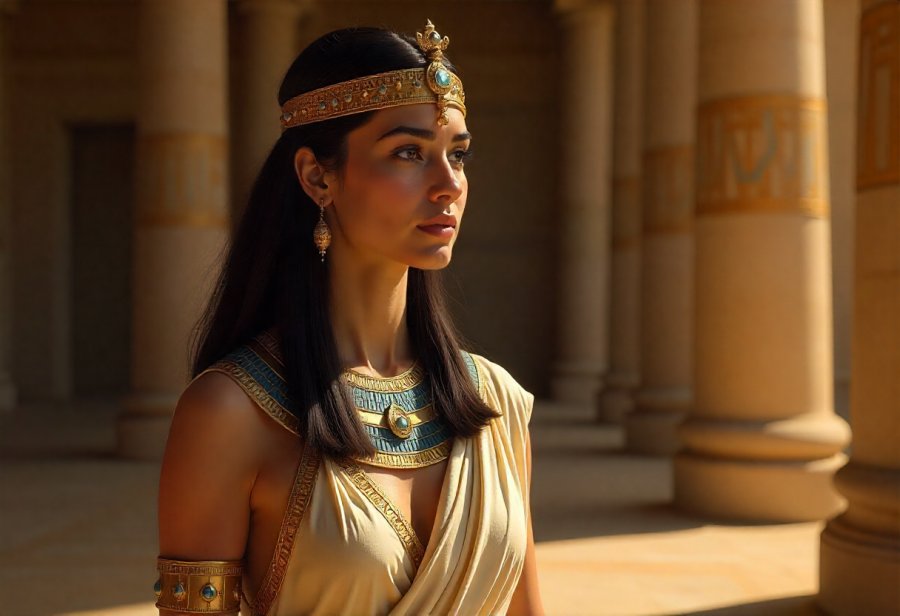
Cleopatra VII: The Mind Behind the Legend
Cleopatra VII is remembered not just as the last active ruler of Egypt, but as a figure of remarkable intellect and strategic skill. Her legacy extends beyond the romanticized image of beauty often portrayed in popular culture; instead, it is rooted in her sharp mind, cultural literacy, and political acuity. Cleopatra’s ability to navigate the tumultuous landscape of her time set her apart as a leader who understood that true power comes from knowledge, influence, and diplomacy.
Born in Alexandria around 69 BCE, Cleopatra grew up in a court rife with rivalry and intrigue. Her education was extensive, covering rhetoric, philosophy, languages, and sciences—making her one of the most educated women of her era. This broad knowledge base became her greatest asset, enabling her to communicate effectively across diverse factions and forge alliances that secured her position.
Her ascent to the throne was marked by cunning and resilience. Co-ruling with her younger brother Ptolemy XIII after her father’s death, Cleopatra demonstrated her capacity to outmaneuver rivals and restore stability to her reign. Her knack for diplomacy was evident when she allied with Julius Caesar and later Mark Antony—strategic moves that weren’t just about personal relationships but calculated efforts to protect Egypt’s independence amid Rome’s expanding influence.
What truly distinguished Cleopatra was her mastery of symbolism and perception. She blended Egyptian traditions with Hellenistic court practices, positioning herself as both a divine monarch and a worldly diplomat. Fluent in multiple languages, she communicated directly with different cultures, strengthening her legitimacy and influence. Her leadership was rooted in an understanding that perception—whether through religious symbolism, court rituals, or political alliances—was as vital as raw power.
Cleopatra’s story is a testament to the power of intelligence and adaptability. She proved that leadership is as much about mastering human nature and cultural nuances as it is about titles or force. Her legacy endures because she demonstrated that a ruler’s greatest strength lies in her mind—a lesson that continues to resonate through history and inspire modern leadership.
Foundations of Power: Cleopatra’s Background and Rise
Cleopatra VII’s rise to power was shaped by her unique background and sharp political instincts. Born in Alexandria around 69 BCE, she was a member of the Macedonian Greek Ptolemaic dynasty that had ruled Egypt since Alexander the Great’s empire fragmented. Growing up amidst court rivalry and political intrigue, Cleopatra was immersed in an environment that emphasized learning, strategy, and power from an early age. Her education was remarkably broad, spanning rhetoric, philosophy, sciences, and multiple languages, making her one of the most educated women of her time.
From her youth, Cleopatra demonstrated a talent for diplomacy and understanding complex political landscapes. When her father, Ptolemy XII, died in 51 BCE, she was only about 18 and faced the challenge of securing her claim amid fierce family rivalries. To strengthen her position, she co-ruled with her younger brother Ptolemy XIII, a move requiring negotiation, assertiveness, and political savvy. Her ability to navigate this turbulent environment showcased her resilience and strategic thinking early on.
Her ascent was marked by her talent for forging influential alliances. The relationship with Julius Caesar proved pivotal; Cleopatra used her diplomatic skills to regain her throne after a brief exile. Her alliance with Caesar wasn’t just personal—it was a carefully calculated move to protect Egypt’s independence and expand her influence. Similarly, her alliance with Mark Antony was a strategic effort to preserve her kingdom amid Rome’s expanding dominance. Throughout her reign, Cleopatra blended Egyptian traditions with Hellenistic culture, positioning herself as both a native ruler and a cosmopolitan diplomat.
Her Macedonian Greek roots deeply influenced her leadership style. Well-versed in Greek politics, religion, and customs, she used this knowledge to legitimize her authority within her Greek-speaking subjects. At the same time, she fiercely promoted Egyptian identity, framing herself as a divine monarch rooted in native traditions. This dual cultural stance provided her with a flexible and resilient political foundation, enabling her to adapt and thrive amid shifting cultural and political landscapes.
Cleopatra’s early years laid the foundation for her remarkable achievements. Her extensive education, combined with her strategic acuity, made her a master of court politics and diplomacy. She understood that true power came from knowledge, cultural literacy, and adaptability—traits that allowed her to survive internal rivalries and external threats. Her story demonstrates how a deeply educated and politically astute leader can shape history through intelligence and resilience, rather than force alone.
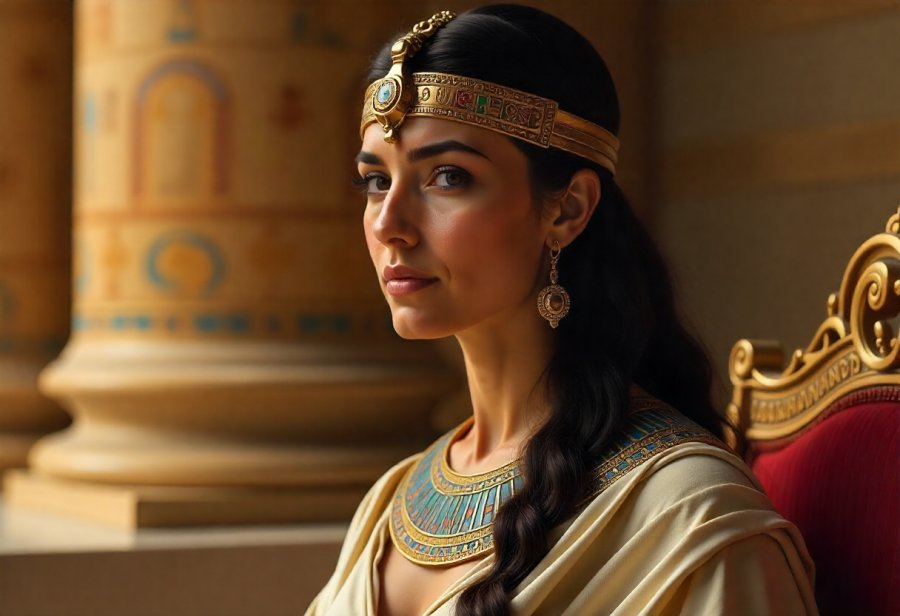
Mastermind of Influence: Cleopatra’s Intellectual and Political Strategy
Cleopatra’s mastery extended well beyond her titles; it was deeply rooted in her sharp intellect and cultural awareness. She understood that influence wasn’t just about wielding power but about shaping perceptions and leveraging knowledge. Her strategic brilliance lay in her ability to read her opponents, adapt her tactics, and use symbolism to reinforce her authority. Whether negotiating with Roman leaders or managing internal court rivalries, Cleopatra consistently demonstrated a nuanced understanding of human nature and political dynamics.
Her alliances with Julius Caesar and Mark Antony weren’t happenstance; they were meticulously crafted political moves grounded in her strategic insight. Cleopatra knew how to turn personal relationships into tools for statecraft, using her charm and wit to build rapport while advancing her long-term goals. She recognized that influence depended on timing, perception, and the ability to communicate across cultural divides—skills that made her a formidable diplomat in a turbulent era. Her multilingual fluency allowed her to speak directly to diverse factions, giving her a diplomatic edge few could match.
Culturally, Cleopatra was a bridge builder. She mastered Egyptian religion and Hellenistic traditions, blending them to project divine authority and legitimize her rule. Her patronage of Alexandria’s famed Library and scholars reinforced her image as a scholar-queen, positioning herself as a protector of knowledge and learning. This intellectual engagement was more than personal interest; it was a strategic move to elevate her legitimacy and influence both within her kingdom and across the Mediterranean. Her ability to communicate through religious symbolism and court rituals further cemented her position as a divine monarch, rooted in native traditions yet adaptable to Hellenistic politics.
Her leadership was characterized by keen timing and subtlety. She knew when to assert herself boldly and when to exercise restraint, often employing courtly maneuvering to outwit rivals. Her quick wit and persuasive communication turned potential enemies into allies or neutralized threats before escalation. This combination of intelligence, emotional acuity, and cultural literacy enabled her to navigate complex political landscapes and maintain her grip on power amid external threats and internal dissent. Her ability to think ahead and adapt was central to her resilience.
Sources like Plutarch and Cassius Dio highlight her intelligence and political savvy, describing her as “both clever and beautiful”—a pairing she used to her advantage without relying solely on her appearance. Modern scholars affirm that her influence was rooted in her ability to think strategically, manipulate perceptions, and adapt to shifting circumstances. Her reign demonstrates that true leadership depends on mastering the art of influence through diplomacy, symbolism, and knowledge—traits that made her one of history’s most astute rulers.
Cleopatra’s leadership exemplifies how intelligence and cultural literacy serve as formidable tools for survival and influence. Her ability to think ahead, craft alliances, and communicate effectively across different worlds allowed her to hold her kingdom together in a time of chaos. Her legacy endures because she proved that a ruler’s greatest strength is her mind—a lesson that remains relevant today.
Leadership Lessons from Cleopatra: Applying Ancient Wisdom to Modern Challenges
Cleopatra’s leadership strategies offer valuable lessons for today’s leaders navigating complex and rapidly changing environments. Her ability to build alliances rooted in mutual benefit rather than short-term gains highlights the importance of long-term vision and patience. Modern leaders can learn to prioritize relationship-building over transactional interactions, fostering loyalty and trust that withstand shifting circumstances. Her skill in understanding cultural nuances and adapting messaging accordingly is a reminder that effective communication often depends on genuine empathy and respect for differences.
Her partnerships with Julius Caesar and Mark Antony weren’t just personal connections—they were carefully crafted political maneuvers designed to safeguard Egypt’s sovereignty. Cleopatra knew influence depended on cultural literacy and the art of presentation. Today, this translates into the need for leaders to master the subtleties of cross-cultural dialogue, whether in international diplomacy or corporate negotiations. Recognizing and respecting diverse perspectives can turn potential conflicts into opportunities for collaboration, much like Cleopatra did in her time.
Flexibility and resilience were central to Cleopatra’s success. She was quick to adjust her strategies when circumstances shifted, whether facing internal court rivalries or external threats from Rome. This adaptability allowed her to maintain her power and influence despite overwhelming odds. Modern leaders can emulate this mindset by remaining open to new ideas, learning from setbacks, and continuously refining their approach. Resilience isn’t just about bouncing back; it’s about evolving in response to challenges with strategic foresight.
Perception played a crucial role in Cleopatra’s influence. She understood that symbols, religious authority, and court rituals could reinforce her legitimacy and inspire loyalty. Today, this concept remains relevant—brand management, public relations, and narrative control shape perceptions just as court rituals did in her era. Leaders who skillfully craft their image and communicate authentically can foster stronger engagement and trust, turning followers into loyal advocates.
While the digital age has changed the landscape, the core principles of Cleopatra’s leadership remain timeless. Authenticity, cultural awareness, and strategic communication are more important than ever. Leaders who cultivate emotional intelligence, stay curious about other cultures, and think strategically about their influence will be better equipped to navigate today’s interconnected world. Her example encourages us to view influence as a craft rooted in knowledge and empathy, qualities that continue to define effective leadership across centuries.
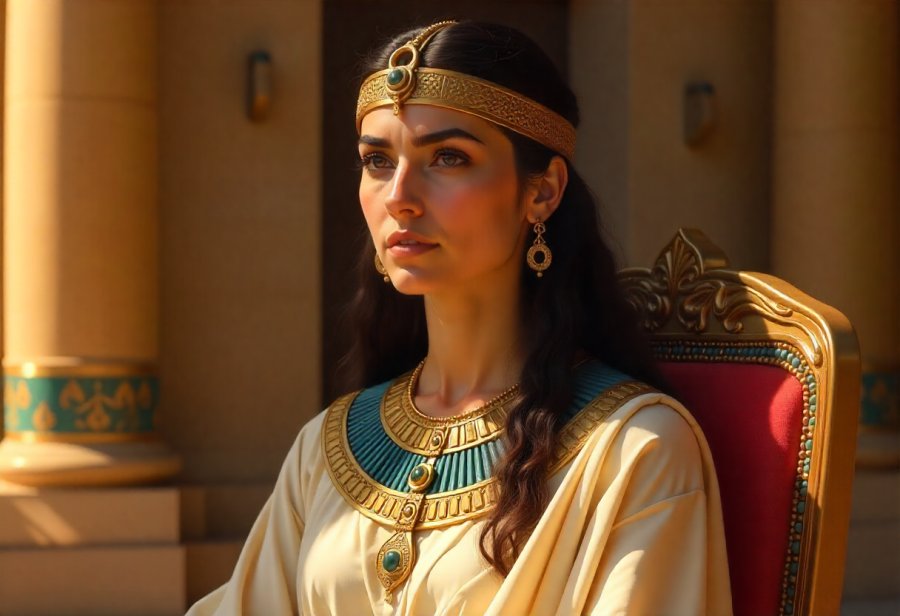
Legacy and Future: The Enduring Relevance of Cleopatra’s Leadership Principles
Cleopatra’s legacy reminds us that true leadership isn’t about titles, appearances, or superficial charm. It’s rooted in intelligence, strategic thinking, and a deep understanding of cultural dynamics. Her ability to adapt to changing circumstances, forge meaningful alliances, and navigate complex political landscapes shows that influence comes from the mind as much as from power. Her story continues to inspire because she demonstrated that resilience and mental agility are the real sources of lasting leadership.
Her greatest strength was her intellect. Cleopatra proved that enduring influence depends on learning, cultural literacy, and the ability to think ahead. She used her knowledge to build alliances, craft symbols of divine authority, and shape perceptions—tools that allowed her to hold her throne amid chaos. Her resilience and quick wit enabled her to outmaneuver rivals and external threats, especially as Rome’s power expanded. This focus on strategic foresight transformed her from a regional ruler into a legendary figure whose lessons remain relevant.
Looking forward, Cleopatra’s leadership offers timeless lessons for today’s world. In an era defined by rapid change and global interconnectedness, flexibility, cultural sensitivity, and strategic communication are vital. Her skill in reading her environment and adjusting tactics accordingly provides a blueprint for modern leaders facing complex challenges. Whether in politics, business, or diplomacy, embracing her principles of patience, empathy, and adaptability can make a significant difference.
While the digital landscape has altered how influence is built, the core ideas remain unchanged. Authenticity, emotional intelligence, and cultural awareness are now more important than ever. Leaders who invest in understanding diverse perspectives, cultivate genuine relationships, and communicate with clarity and respect will find it easier to inspire trust and loyalty—just as Cleopatra did through her mastery of perception and symbolism.
Her example reminds us that influence rooted in knowledge and empathy is more sustainable than raw authority or superficial charisma. By prioritizing continuous learning, cultural curiosity, and strategic thinking, modern leaders can foster genuine trust and create lasting impact. Cleopatra’s story encourages us to see leadership as a craft—an ongoing process of growth, adaptation, and influence rooted in the mind.
In a world that constantly evolves, her legacy underscores the importance of resilience and mental agility. Leaders who emulate her ability to think critically, navigate cultural complexities, and build authentic connections will be better equipped to face future challenges. Her example shows that lasting power is not about dominance but about shaping perceptions through wisdom and understanding.
Ultimately, Cleopatra’s story is a testament to the enduring power of the mind. Her leadership was defined by her intelligence, resilience, and cultural insight—qualities that remain essential in today’s interconnected world. By embracing her lessons, we can approach leadership with purpose, confidence, and a lasting sense of influence that transcends time. Her example invites us to lead with not just strength, but with insight and vision—making a difference that endures.