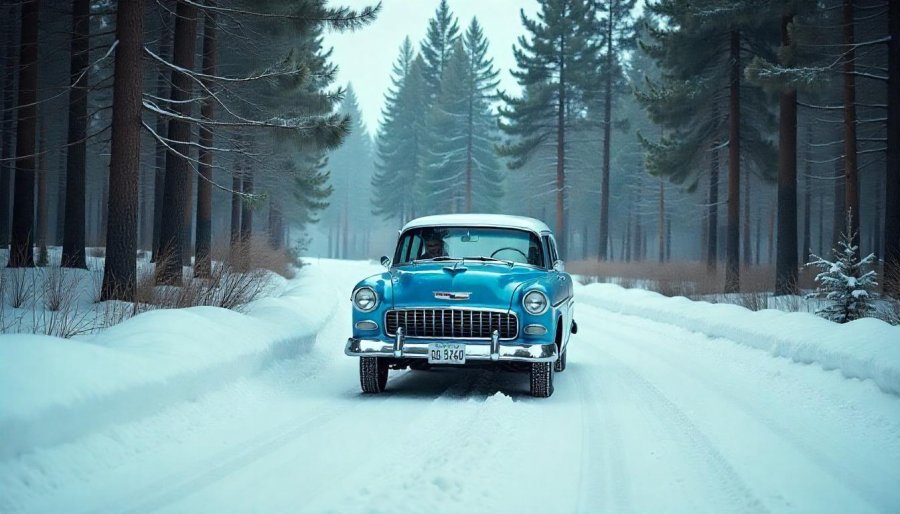
Step into the roaring legacy of the 1970s Chevrolet SS, where muscle cars epitomized American power, rebellion, and bold style. These icons weren’t just vehicles—they were symbols of freedom, attitude, and innovation, with engines like the mighty 454 V8 delivering over 450 horsepower. Their aggressive lines, vibrant colors like Hugger Orange, and racing stripes captured a culture that celebrated daring and dominance on the streets. Today, the preservation and restoration of these classics ignite passionate communities worldwide, blending vintage authenticity with modern ingenuity. Digital platforms, car clubs, and cultural reverence keep their legacy alive, fueling new generations’ desire to experience their raw power. As environmental regulations and restoration costs pose challenges, the future of muscle cars evolves through limited-edition reboots blending past aesthetics with cutting-edge technology. Will these legendary beasts continue to roar into the next era, embodying the spirit of American innovation and rebellion? Their enduring appeal suggests the answer is an emphatic yes.
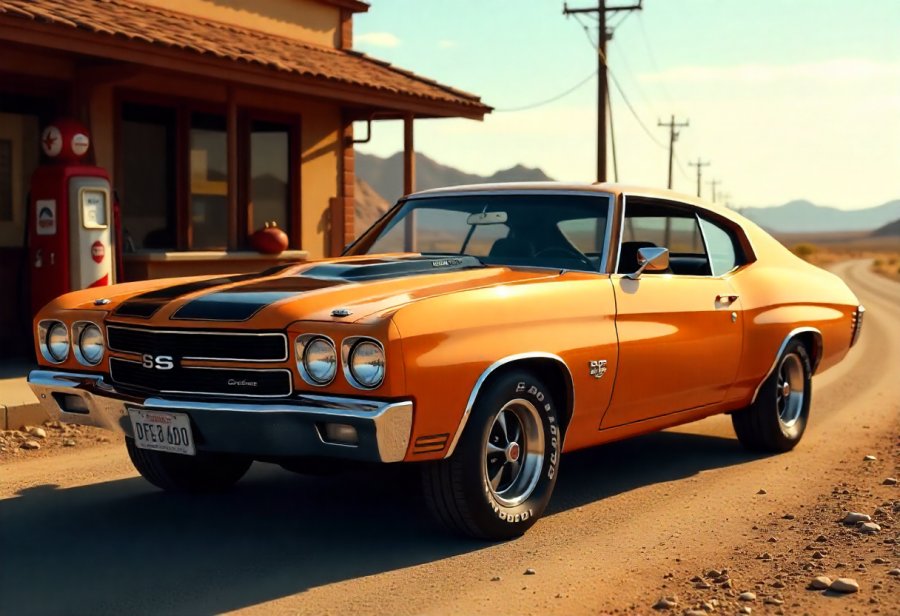
The 1970s Chevrolet SS: A Symbol of Muscle Car Culture and Rebellion
The Chevrolet SS of the 1970s isn’t just a car; it’s a symbol of American muscle car culture at its peak. With its bold design, powerful engine options, and unmistakable presence, the SS captured the spirit of freedom, strength, and rebellion that defined an era. These cars weren’t simply transportation—they were rolling statements of attitude and performance. Models like the Chevelle SS 454 defined a generation, embodying raw horsepower and aggressive styling that continue to inspire enthusiasts today.
During the decade, muscle cars reached new heights of innovation and daring. Their muscular lines, large hoods, and racing stripes weren’t just aesthetic choices—they conveyed speed and attitude even when standing still. Bright colors like Hugger Orange, Lime Green, and Victory Red made these vehicles impossible to ignore on the street. Every detail, from rally wheels to chrome accents, was crafted to evoke power and swagger, turning these cars into icons of style and strength.
Under the hood, engines like the 454-cubic-inch V8 delivered over 450 horsepower, giving these cars the ability to roar with authority. This performance was more than just numbers; it was a declaration of American engineering prowess. The chassis and suspension were designed to match their aggressive looks, ensuring that speed and handling went hand in hand with their bold aesthetics. The result was a vehicle that could command attention both visually and on the road.
Beyond their engineering, muscle cars became cultural symbols of independence and youthful rebellion. Owning a Chevelle SS 454 or Camaro was about more than just car ownership—it was about making a statement, challenging conventions, and embracing the open road. The thunderous engines and commanding presence created a visceral connection, turning these cars into symbols of freedom and daring that defined the spirit of their time.
These vehicles also played a significant role in popular culture, appearing in movies, music, and art that celebrated rebellion and performance. They became more than machines—they became icons representing the American dream of boldness and adventure. Nostalgic images of vintage Chevelles and Camaros evoke powerful memories and reinforce their lasting legacy as symbols of an era when horsepower ruled the streets.
Today, the legacy of the 1970s Chevrolet SS endures through restored classics, car shows, and passionate communities. Whether preserved in original form or customized with modern touches, these cars continue to inspire new generations. Their roar, style, and rebellious spirit remain a testament to the golden age of muscle cars—a time when American ingenuity and attitude ruled the roads.
Roots of American Power: The Origins and Rise of 1970s Muscle Cars
Muscle cars have deep roots in American automotive history, emerging in the late 1950s as symbols of youthful rebellion and high performance. These cars weren’t just about speed; they captured a desire for freedom and individuality, embodying the energetic spirit of an era eager to break free from convention. Early models like the Pontiac GTO of 1964 set the stage with their large V8 engines and bold styling, quickly making a mark among young drivers craving power and attitude. As the 1960s progressed, manufacturers such as Chevrolet, Ford, and Dodge pushed limits further, developing bigger engines and more aggressive designs to stand out in a competitive market.
By the time the 1970s arrived, muscle cars had reached their peak. This decade saw a dramatic increase in engine size and horsepower, with models like the Chevrolet Chevelle SS 454 leading the charge. These vehicles became more than just machines—they symbolized American ingenuity and daring. Their wide bodies, racing stripes, and bold colors like Hugger Orange and Lime Green made them impossible to overlook. The industry’s relentless pursuit of more power resulted in engines capable of producing over 450 horsepower, fueling the adrenaline of drivers and capturing the imagination of fans.
The design of muscle cars from this era was as daring as their performance. Sleek, aerodynamic lines emphasized speed and attitude, even when stationary. Every detail, from wide tires to chrome accents and hood scoops, was crafted to evoke strength and confidence. These visual cues turned everyday cars into rolling icons of style and muscle—vehicles that demanded attention and admiration. Their bold aesthetics reflected not just a love of speed, but a culture that celebrated daring and independence.
Beyond engineering and aesthetics, muscle cars gained cultural significance as symbols of freedom, rebellion, and thrill-seeking. Owning a Chevelle SS 454 or Camaro was an act of standing out, challenging norms, and embracing the open road. The thunder of their big-block engines became the soundtrack of a generation eager to push boundaries and forge their own path. This spirit of youthful defiance made muscle cars more than transportation—they became icons of American daring and innovation that resonated well beyond the asphalt.
Muscle cars also made a lasting mark on popular culture, appearing in movies, music, and art that celebrated rebellion and performance. They became symbols of a bold, adventurous American identity—embodying the dream of speed, power, and individualism. Today, their legacy lives on through restored classics, car shows, and passionate communities that keep the flame burning. These vehicles continue to inspire new generations, reminding us that the raw power and fearless style of the 1970s muscle car era remain as relevant and captivating as ever.
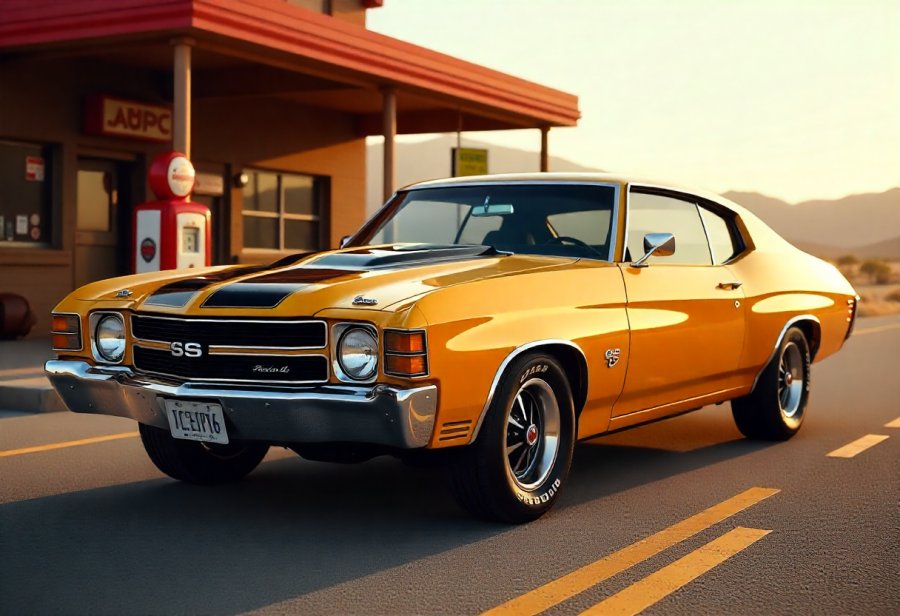
Legacy in Motion: The Enduring Influence of Classic Muscle Cars Today
Today, the influence of the 1970s Chevrolet SS continues to shape the world of classic muscle cars. Enthusiasts and collectors alike remain captivated by these iconic vehicles, often participating in car shows, vintage meets, and restoration projects that keep their legacy alive. Restoring a Chevelle SS 454 or Camaro isn’t just about aesthetics; it’s a way to preserve a piece of American automotive history. Many owners go the extra mile, sourcing original parts or high-quality reproductions, ensuring their cars stay true to their original design and performance. This dedication helps maintain the value and authenticity that make these muscle cars so special.
The digital age has further fueled the muscle car revival. Online forums, social media groups, and YouTube channels are filled with stories of rebuilds, restorations, and road trips that celebrate these classics. Sharing experiences and tips creates a vibrant community where both seasoned collectors and newcomers can learn and inspire. This digital connectivity keeps the passion alive, fostering a sense of belonging and shared pride among muscle car fans worldwide.
Car clubs dedicated to vintage muscle cars play a significant role in this ongoing enthusiasm. They organize events, swap meets, and technical workshops that deepen members’ understanding of restoration techniques and maintenance. These gatherings offer opportunities to see firsthand the craftsmanship involved in preserving these cars, while also building friendships rooted in a common love for performance and style. For many, participating in these communities transforms a hobby into a lifelong passion.
Despite the natural aging of these vehicles and the challenges involved—such as scarce original parts and stricter emissions laws—the dedication to preservation remains strong. Innovative restorers are blending modern technology with classic design, installing features like electronic fuel injection or upgraded suspensions, all while maintaining the authentic look. This approach makes driving and caring for these cars more practical without compromising their iconic appearance.
The market for vintage muscle cars continues to thrive, with original models fetching impressive prices at auctions and private sales. This economic vitality encourages ongoing restoration efforts and fuels new projects. Each restored vehicle becomes a rolling piece of history, inspiring future owners to appreciate and continue the legacy. The passion for these cars is evident in every carefully restored Chevelle or Camaro that hits the road or is displayed at a show.
Automakers are also paying homage to these legendary models. Limited-edition releases and modern reinterpretations offer a taste of the muscle car era, combining vintage styling with contemporary engineering. These models allow new generations to experience the thrill of muscle cars with added safety, efficiency, and performance features. They serve as bridges connecting the past’s raw power with today’s technological advances.
In essence, the legacy of the 1970s Chevrolet SS remains vibrant, driven by passionate communities and innovative restorations. Every project, whether a meticulous rebuild or a creative customization, contributes to a collective effort to honor the era’s spirit. As long as enthusiasts continue to restore, share, and celebrate these cars, their roar will echo into the future, inspiring new generations to keep the muscle car legend alive.
Connecting Through Power: Engaging with the Muscle Car Heritage and Community
Connecting with muscle car history goes beyond simply owning a vintage vehicle; it’s about immersing yourself in the stories, craftsmanship, and culture that define these legends. Attending local car shows and meetups is a great way to get up close and personal with beautifully restored classics like the Chevelle SS 454. Seeing these cars in person highlights the incredible detail and effort that went into preserving their iconic look and feel. The experience often sparks a deeper passion and can inspire your own projects, whether you’re just starting out or already deep into restoration.
Getting hands-on is one of the most rewarding ways to connect. Volunteering at restoration shops or helping friends with their muscle cars offers practical insight into the engineering and history behind these machines. It’s a chance to learn about the techniques used in restoring and maintaining them while sharing in a community that loves the same passion. Documenting your progress online—through photos, videos, or blogs—further deepens your engagement and invites others to share in your journey.
Digital platforms have transformed muscle car fandom. Social media channels like Instagram and YouTube overflow with rebuild stories, technical tips, and epic road trip videos. Joining dedicated forums or Facebook groups creates a space for advice exchange, camaraderie, and inspiration. These online communities foster a sense of belonging, making it easier to learn from experienced restorers and share your own progress.
Joining car clubs centered on vintage muscle cars can amplify your connection to the culture. These groups organize events, swap meets, and technical workshops that deepen your understanding and skills. Participating in these gatherings not only provides hands-on experience but also builds friendships rooted in a shared love for performance and style. It’s about celebrating the cars and the stories behind them, creating lasting bonds.
For those passionate about authenticity, delving into original specifications and sourcing period-correct parts adds a meaningful layer to your involvement. Researching archives or connecting with experts ensures your restoration honors the vehicle’s legacy. This attention to detail preserves both the value and the story, helping to keep the spirit of the muscle car era alive.
Customization offers another avenue for engagement. Personalizing your vehicle with vintage-inspired paint jobs, modern upgrades, or creative modifications keeps the legacy vibrant. Sharing these projects online not only showcases your work but also sparks ideas and inspiration within the community. Each project helps keep the muscle car story fresh and relevant for new and seasoned enthusiasts alike.
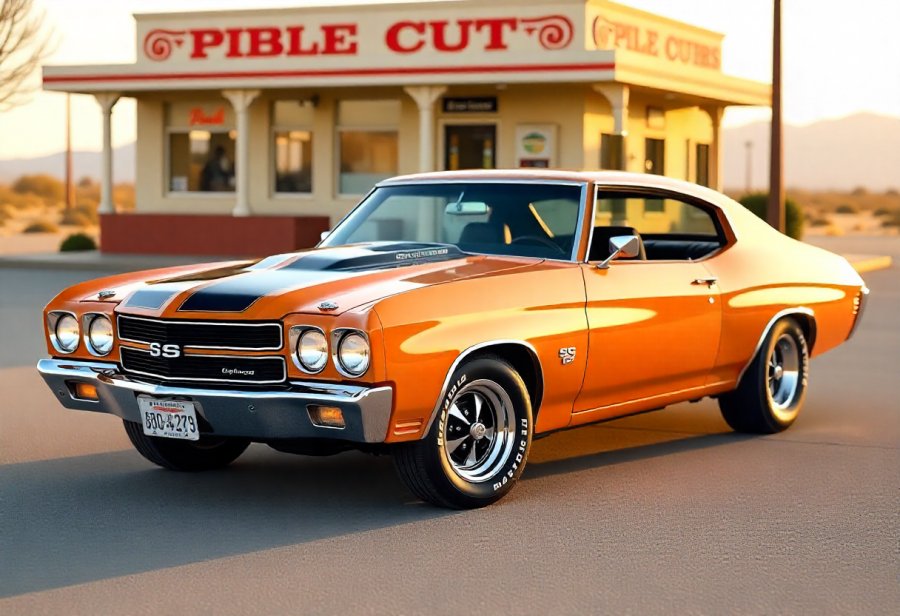
Looking Forward: The Future of Muscle Cars and Their Timeless Allure
The future of muscle cars like the 1970s Chevrolet SS is both exciting and uncertain. Their timeless appeal continues to draw new fans through media coverage, restoration projects, and passionate communities. As interest grows, so do the challenges—stricter environmental regulations, rising restoration costs, and the need to balance authenticity with modern expectations. Despite these hurdles, the core elements that made these cars legendary—power, bold style, and rebellious spirit—remain central to their enduring charm.
Looking ahead, muscle cars are unlikely to fade away entirely; instead, they will evolve. Automakers are increasingly releasing limited-edition models that blend vintage aesthetics with contemporary engineering. These recreations honor the past while incorporating innovations like improved safety, fuel efficiency, and even electric powertrains. This approach allows the legacy to stay relevant, inviting both nostalgic enthusiasts and curious newcomers to experience the thrill of muscle cars in a modern context.
The community of restorers and collectors plays a vital role in preserving this heritage. Every project, whether a meticulous rebuild or a creative customization, contributes to a collective effort to honor the high-performance spirit of the era. Sharing stories online, participating in events, and passing down knowledge keeps the passion alive across generations. This ongoing engagement ensures that the roar of the past continues to echo into the future, inspiring new projects and keeping the muscle car legend vibrant.
Advances in technology offer promising ways to maintain that raw, visceral feeling that made muscle cars so captivating. Modern upgrades—such as electronic fuel injection, advanced suspension systems, or hybrid options—enhance performance and reliability while respecting the classic look. These innovations help bridge the gap between nostalgia and practicality, ensuring that these vehicles remain not just symbols of a bygone era but also functional, exciting cars for today’s roads.
Ultimately, muscle cars like the Chevrolet SS embody more than just horsepower—they stand for daring, independence, and American ingenuity. Their legacy will persist as long as communities continue to restore, celebrate, and innovate around them. Each restored Chevelle or Camaro becomes a rolling piece of history, a testament to an era when attitude and performance reigned supreme. The roar of these legendary machines will continue to inspire future generations to keep the spirit of muscle cars alive, ensuring their impact endures well beyond the asphalt.