Underground street racing is more than a high-speed pursuit; it’s a fiercely bonded subculture rooted in rebellion, craftsmanship, and loyalty. These clandestine races transform city streets into personal arenas of skill and identity, forging brotherhoods built on trust, secrecy, and shared risks. Amid neon lights and roaring engines, racers develop rituals, signals, and customs that deepen their emotional ties and reinforce a sense of purpose beyond mere adrenaline. Cars become symbols of allegiance, decorated with decals and customized to reflect pride and community. Despite ongoing law enforcement crackdowns and external pressures, the scene endures, driven by a collective desire for connection and self-expression. As technology and social media link these communities across distances, their unbreakable bonds evolve but remain rooted in shared experiences, loyalty, and resilience. Will tradition survive the ever-advancing threats, or will innovation redefine this underground brotherhood for generations to come?
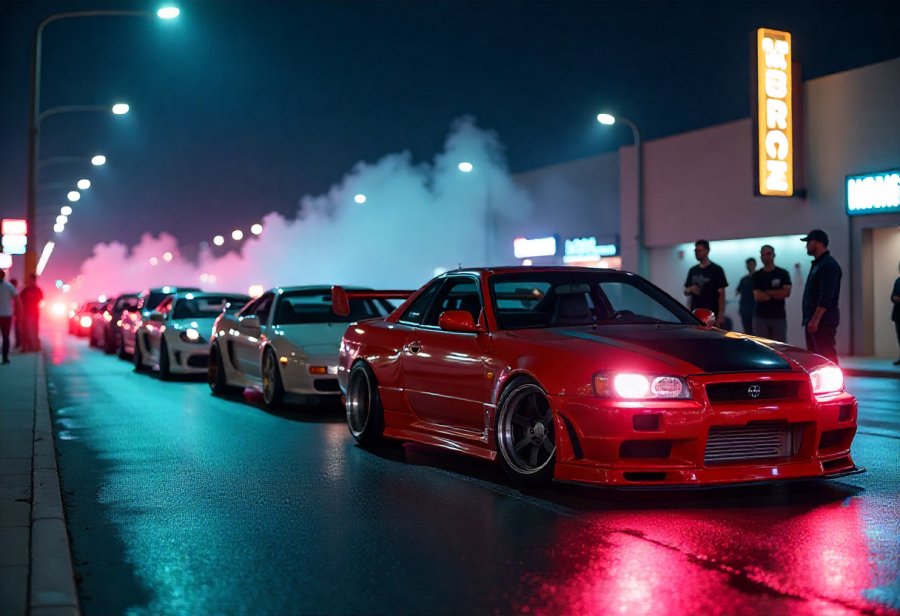
Unveiling the Rebel Spirit of Underground Street Racing
Underground street racing has become a vibrant and rebellious subculture, rooted in the love of speed, skill, and individual expression. It all started when passionate car enthusiasts began taking their modified rides onto city streets to challenge themselves beyond the confines of official race tracks. These clandestine events often arose as a way to escape strict regulations and law enforcement, turning everyday streets into makeshift raceways. What began as daring, spontaneous acts quickly evolved into a close-knit community with its own customs, language, and shared identity.
The origins of street racing trace back to mid-20th-century America, especially during the 1950s and 1960s, when young drivers started transforming city streets into their personal testing grounds. Early races were secretive and informal, driven by a desire to showcase driving talent and stand out from the crowd. As cars became more customizable—particularly in the 1980s and 1990s—this scene flourished. Drivers began modifying engines, suspensions, and bodywork, turning their vehicles into extensions of their personalities and acts of defiance.
Over time, street racing shifted from isolated acts into a tight community. Night races became iconic, offering both secrecy and an adrenaline rush. Crews would gather in hidden industrial or abandoned areas, often under cover of darkness, to race away from prying eyes. These gatherings fostered a unique culture centered on craftsmanship, style, and loyalty. Eye-catching paint jobs, decals, and performance upgrades turned cars into symbols of identity within these underground groups, reinforcing a sense of belonging and pride.
At its core, underground street racing creates a feeling of brotherhood. Participants develop bonds based on trust, shared risks, and mutual respect. They rely on each other’s skills and discretion, often communicating through secret signals or routines that foster a sense of exclusivity. Loyalty is sacred; betrayal can lead to exile or worse. These relationships extend beyond racing—members support each other with repairs, advice, and protection, creating a community that feels more like family.
Night races serve as rituals that deepen these bonds. Gathering in hidden spots, racers communicate through glances and signals, forging emotional connections rooted in adrenaline and secrecy. These moments turn fleeting high-speed encounters into lifelong memories and a shared sense of purpose. The collective effort to push limits and support one another turns individual racing into a larger expression of identity and belonging.
Cars in this scene aren’t just vehicles—they’re symbols of loyalty and craftsmanship. Custom paint, decals, and performance upgrades serve as badges of honor, visual markers of allegiance. Supporting each other’s growth, sharing technical knowledge, and maintaining confidentiality about race plans help sustain the scene’s integrity. Loyalty, discretion, and craftsmanship are the pillars that keep these underground networks resilient against external pressures.
Despite the risks and legal crackdowns, the underground racing scene continues to thrive because it fulfills fundamental human needs: connection, mastery, and rebellion. As technology advances, online forums and social media keep these communities connected, sharing victories and secrets across distances. This digital camaraderie helps preserve the brotherhood beyond the streets, ensuring the culture endures even as it evolves.
In essence, underground street racing is more than just a pursuit of speed. It’s a culture built on unbreakable bonds, forged in secrecy and shared risk. These relationships, rooted in trust and loyalty, sustain a scene that’s as much about community as it is about adrenaline. As long as the core values of loyalty, craftsmanship, and brotherhood remain at the center, this high-octane world will continue to inspire and unite enthusiasts for generations to come.
Inside the Families of the Asphalt Brotherhood
Underground street racing crews function more like families than casual groups of enthusiasts. Loyalty, trust, and shared experiences form the backbone of these bonds, creating a sense of belonging that extends far beyond the thrill of the race. Trust is paramount; members depend on each other’s skills, honesty, and ability to keep secrets. Over time, they develop subtle signals, handshakes, or rituals that reinforce their exclusivity and help keep outsiders at bay, cultivating a protective environment rooted in mutual understanding.
Respect and reputation drive every action within these crews. Every member’s conduct impacts how the group is perceived, making loyalty a currency more valuable than anything else. Betrayal or reckless behavior is met with severe consequences, often resulting in exile or social ostracism. Support goes beyond racing; members routinely help each other with repairs, technical advice, or protection during races. These acts of solidarity deepen their bonds, transforming a collection of car enthusiasts into a true family where loyalty is sacred and betrayal is unthinkable.
The social fabric of these crews is woven through routines and rituals that strengthen their unity. Pre-race pep talks, post-race celebrations, and secret meeting spots create a shared rhythm that fosters trust and camaraderie. During night races, subtle signals and exchanged glances become a language of loyalty, allowing members to communicate readiness and support without words. These moments, filled with adrenaline and secrecy, forge emotional bonds that transcend the individual races—they become lifelong memories rooted in shared risk and mutual dependence.
Car modifications, decals, and paint jobs are more than aesthetic choices—they’re symbols of allegiance. Customizations serve as badges of pride and identity, turning each vehicle into a moving emblem of the crew’s collective spirit. Members often spend hours working together on their cars, exchanging knowledge and honing their craft. This collaborative environment not only enhances their technical skills but also reinforces the sense of community, where respect and shared craftsmanship are as vital as the racing itself.
Night races, with their rush of adrenaline and shared danger, are the ultimate bonding experience. Crew members rely on each other’s instincts and support, knowing that their safety and reputation are intertwined. These shared moments of risk and victory create a familial atmosphere—everyone feels responsible for each other’s well-being. Confidentiality about race routes and plans is strictly maintained, emphasizing the importance of discretion and integrity. It’s this blend of trust, secrecy, and loyalty that sustains the unbreakable bonds within these racing families, ensuring their enduring strength amid external pressures.
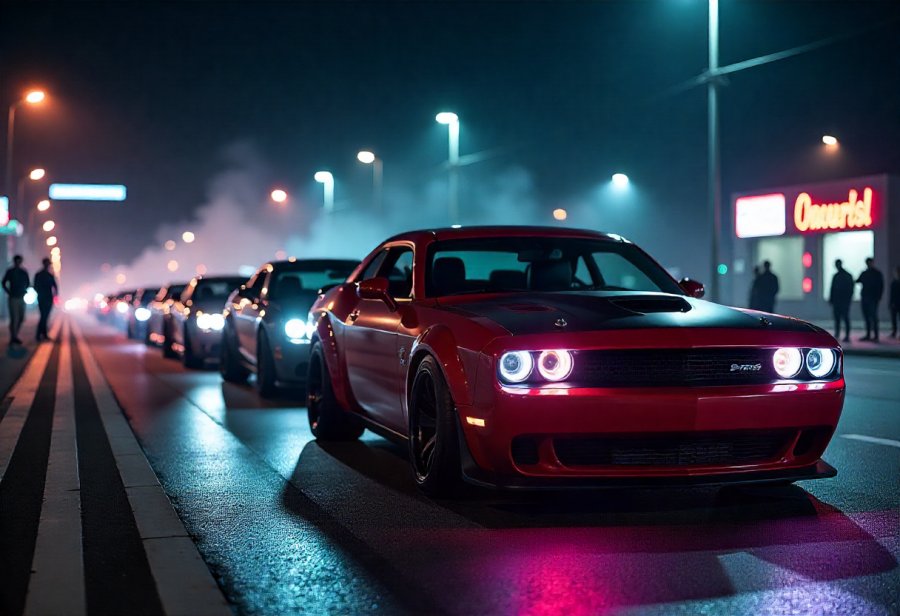
How Street Racing Bonds Shape Urban Identity
The bonds formed through underground street racing go far beyond the thrill of high-speed competition; they shape personal identities and reinforce a deep sense of community. Being part of a crew provides members with a feeling of belonging that’s often missing in other areas of urban life. These relationships foster confidence and resilience, rooted in shared experiences and mutual support that turn fleeting adrenaline rushes into lasting connections. The rituals of night racing and the secrecy surrounding crew activities create a strong sense of loyalty, transforming individual efforts into a collective identity.
Night races serve as more than just high-stakes showdowns—they are bonding rituals that cement trust among crew members. Gathering discreetly in hidden locations, racers develop a language of signals, glances, and routines that deepen their sense of loyalty. Under the cover of darkness, they share moments of vulnerability and adrenaline, fostering emotional ties that go well beyond the race itself. These shared experiences forge a collective spirit, where every member feels responsible for each other’s safety and success.
Within these crews, loyalty becomes a way of life. Members spend hours tuning cars together, exchanging technical knowledge and honing their skills, turning craftsmanship into a symbol of allegiance. Custom paint jobs, decals, and performance upgrades serve as badges of pride—visual markers of belonging that turn personal vehicles into moving emblems of the crew’s identity. This collaborative environment cultivates respect and camaraderie, making the act of building and racing cars an expression of shared values and loyalty.
The risks involved in racing under the night sky only strengthen these bonds. Crew members depend on each other’s instincts and support, knowing their safety and reputation are interconnected. These shared moments of danger and victory create a familial atmosphere, where everyone feels responsible for each other’s well-being. Confidentiality about race routes and plans is strictly maintained, emphasizing trust and integrity. It’s this blend of secrecy, mutual reliance, and shared purpose that sustains the unbreakable bonds, turning racing into a culture of loyalty that endures amid external pressures.
These relationships deeply influence how individuals see themselves and their place within the broader urban landscape. Many find confidence and purpose through their crew, developing a resilient identity rooted in loyalty and mastery. The bonds forged in these shadowy circles often translate into a sense of empowerment, giving members a voice and a sense of pride amidst city chaos. In the end, underground street racing’s true power lies in its ability to forge unshakable brotherhoods, built on trust, shared risk, and a collective spirit that continues to thrive despite the challenges.
Voices from the Track: Insights from Racers, Law Enforcement, and Analysts
Racers view underground street racing as more than just a rush of adrenaline; it’s a vital way to build community and express identity. For many, their crew becomes a surrogate family, grounded in loyalty, trust, and shared experiences. These bonds often grow from long nights of practicing, celebrating victories, and supporting each other through legal risks and personal struggles. The scene fosters a sense of belonging that’s hard to find elsewhere, turning fleeting moments of speed into lifelong connections rooted in mutual respect and camaraderie.
Law enforcement sees these races with a mix of concern and recognition. They understand the danger—reckless speeds, injuries, and neighborhood disturbances—yet also acknowledge the scene’s social importance. Officers often respond with increased surveillance and crackdowns, trying to prevent tragedies while knowing that illegal racing persists because it fulfills deep human needs: excitement, recognition, and rebellion. Many communities and racers agree that, despite enforcement efforts, the scene endures because it offers an outlet for expression and belonging that can’t be found in conventional settings.
Cultural analysts observe that street racing remains resilient because it taps into universal themes—mastery of skill, defiance of norms, and the thrill of risk. For urban youth, these gatherings provide a space to carve out identity and challenge societal expectations. Rituals like secret night races, signals, and personalized cars serve as powerful symbols of loyalty and tradition. These shared customs foster a broader community, built on craftsmanship, style, and mutual respect, blending individual pride with collective spirit.
Within these circles, sharing knowledge and supporting newcomers is essential for survival. Experienced racers mentor novices on tuning, safety, and race routes, passing down secrets that preserve the scene’s authenticity. Respect for confidentiality about plans and modifications is strict, reinforcing trust and integrity. This culture of discretion ensures that the bonds between members remain strong, creating a resilient network that adapts to external pressures without losing its core values of loyalty and brotherhood.
Despite constant challenges, responsible groups are finding ways to evolve. Some organize private events with safety measures, blending tradition with modern awareness. Online forums and social media also help maintain connections, allowing crews to share victories, tips, and strategies beyond the streets. This digital camaraderie extends their sense of community, helping to sustain the scene’s spirit even as law enforcement intensifies efforts to curb illegal racing.
Looking ahead, the future of underground racing hinges on balancing tradition with innovation. Embracing smarter safety practices and leveraging technology wisely can help preserve these communities. Many crews are exploring clandestine, yet safer, gatherings that retain the essence of loyalty and risk. As these bonds deepen through shared experience and mutual support, they will continue to shape the culture—underground but unbreakable, evolving yet rooted in the brotherhood that defines it.
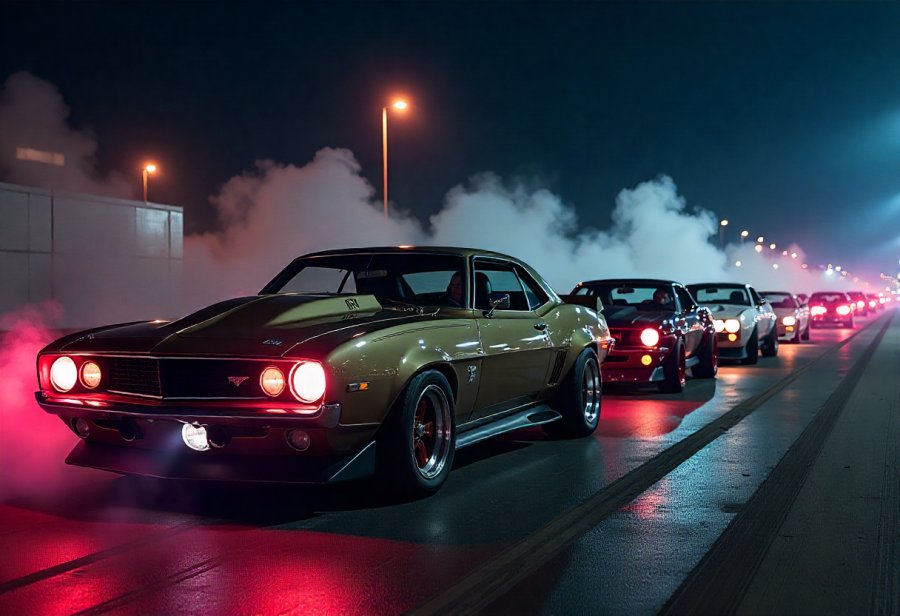
Evolving Loyalties: The Future of Underground Racing Brotherhoods
As underground street racing continues to evolve, the bonds of loyalty and brotherhood that define this scene face both new challenges and fresh opportunities. Advances in technology, like improved tuning tools and social media platforms, keep crews connected and allow them to organize races with greater efficiency. These tools also foster a sense of global community, enabling participants to share victories and secrets across borders. Yet, increasing law enforcement efforts, surveillance tech, and legal crackdowns threaten the secrecy and trust that are vital to these underground networks. This growing pressure may push crews to operate more discreetly or develop new rituals that preserve their bonds despite external threats.
Despite these hurdles, the core values—loyalty, mutual support, and adrenaline-fueled connection—remain resilient. Many crews are already finding ways to adapt, establishing underground channels of communication that balance secrecy with safety. Some are organizing private, safer events with measures to protect participants and neighborhoods. These efforts demonstrate that the spirit of competition and camaraderie can thrive responsibly, without sacrificing the sense of family that fuels their identity. As technology continues to advance, these communities are likely to use digital platforms to maintain their bonds, extending their kinship far beyond the streets.
Looking ahead, the future of underground racing depends on how well these groups can blend tradition with innovation. Embracing smarter safety practices and leveraging technology intelligently will help sustain their communities amid increasing legal scrutiny. Many crews are exploring clandestine meetups and digital camaraderie that uphold their core values—trust, loyalty, and craftsmanship—while minimizing risks. This evolution might transform underground racing from a rebellious subculture into a more organized, accepted part of urban life, all while maintaining the unbreakable bonds that define their brotherhood.
As shared risk and personal mastery continue to drive their passion, these bonds are likely to adapt but not fade. Digital forums, secret meetups, and underground events will coexist with traditional night races, ensuring the community remains connected despite external pressures. The essence of trust and mutual support will keep the scene alive, strengthened by the knowledge that their brotherhood is built on more than just speed—it’s rooted in shared experiences, loyalty, and resilience. These relationships have proven remarkably durable, capable of weathering threats from law enforcement and internal conflicts alike.
In the end, the spirit of underground street racing extends far beyond the thrill of the ride. It’s about forging unbreakable bonds—trust built over shared risk, mutual respect, and collective resilience. These connections have sustained the scene through decades of change, and as long as the core values endure, they will continue to thrive. Whether through clandestine races or digital camaraderie, the sense of family remains the heart of this culture, shaping identities and inspiring loyalty across generations. The unshakable brotherhood that fuels underground racing promises to persist, evolving but never losing its soul.