Learning to drive is a pivotal moment filled with a delicate mix of excitement and anxiety, as teens grapple with newfound independence amid internal fears of mistakes and losing control. How do nerves transform into confidence? This journey isn’t just about mastering steering and traffic rules; it’s a profound psychological milestone that shapes self-trust, resilience, and patience. From quiet practice sessions to facing complex traffic situations, each small success builds emotional strength, turning initial doubts into a sense of capability. Techniques like visualization, positive reinforcement, and supportive guidance foster a growth mindset, helping teens confront and manage their fears. As they progress, the road becomes less intimidating, symbolizing a broader journey of personal growth that extends beyond driving. With ongoing support, innovative tools, and persistence, teens develop not only confident driving skills but a resilient mindset essential for navigating life’s challenges with calm and assurance.

Transforming Nerves into Confidence: The Emotional Journey of Learning to Drive
Learning to drive is a milestone filled with mixed emotions—excitement, pride, and often a fair share of nerves. Sitting behind the wheel for the first time can feel like stepping into uncharted territory. The thrill of gaining independence is quickly overshadowed by the anxiety of making mistakes in real traffic, navigating busy streets, or mastering tricky maneuvers like parallel parking. It’s a natural part of the learning curve that many teens experience.
These feelings of doubt aren’t signs of failure but rather signals of how complex and intimidating driving can seem at first. Teens might worry about hitting other vehicles, misjudging distances, or losing control, which can lead to hesitation. Recognizing that nerves are normal helps normalize the experience, turning fear into a motivator for growth rather than a barrier.
The psychological impact of learning to drive goes beyond mechanics. It’s a vital step toward independence that influences how teens see themselves. Facing unpredictable traffic and making quick decisions pushes them to develop trust in their instincts. Each successful maneuver, from merging onto a highway to navigating a tricky intersection, builds resilience and confidence.
This process also fosters emotional resilience. Managing setbacks and handling stress in a controlled environment teaches teens patience and perseverance. Those small wins—like parking in a tight spot or confidently driving through a quiet neighborhood—serve as proof of their progress, slowly replacing doubt with belief in their abilities.
Internal doubts, such as fears of losing control or making errors, can be overwhelming. But facing these fears gradually, with support and practice, shows teens that nerves are temporary and manageable. Techniques like deep breathing, visualizing successful drives, and setting small goals help them stay calm and focused.
Understanding that nerves are a normal part of learning helps teens see driving as a skill that can be mastered over time. It’s about trusting that each challenge is a step toward becoming a confident driver. With patience, persistence, and support, those initial jitters often transform into a sense of capability that lasts well beyond the first few drives.
Self-Discovery Behind the Wheel: How Driving Shapes Teen Psychology and Independence
Learning to drive isn’t just about mastering steering and traffic rules; it’s a profound psychological milestone that shapes how teens view themselves and their place in the world. Sitting behind the wheel for the first time sparks a whirlwind of emotions—excitement mixed with a fair share of anxiety. As they navigate unfamiliar responsibilities, teens embark on a journey of self-discovery, testing their confidence and pushing them to trust their instincts. Each decision—whether merging onto a highway or navigating a tricky intersection—becomes a reflection of their growing independence and belief in their abilities.
This process also builds emotional resilience. Facing unpredictable traffic, making quick judgments, and managing setbacks teach teens to stay calm under pressure. Successfully handling these challenges boosts their confidence, reinforcing the idea that they can overcome obstacles not only on the road but in other areas of life like school and social situations. Over time, mistakes are seen less as failures and more as opportunities for growth, fostering a mindset of persistence and self-improvement that extends beyond driving.
The confidence gained from small wins plays a crucial role. Mastering simple tasks, such as parking or driving through quiet neighborhoods, helps teens feel accomplished and ready for more complex challenges. Techniques like positive reinforcement from parents or visualizing successful drives help shift their mindset from doubt to assurance. Each small victory chips away at internal doubts, replacing them with trust in their skills and judgment. As this confidence builds, driving becomes less intimidating and more a symbol of their developing independence.
Internal fears—like losing control or making mistakes—are natural but manageable. Facing these fears within controlled environments, and learning that nerves are normal, helps teens develop resilience. Strategies such as deep breathing, setting small goals, and reflecting on progress create a sense of mastery. Over time, they realize that nerves are temporary and that persistence transforms anxiety into confidence. This emotional growth not only improves their driving but also equips them to handle future challenges with calm and clarity.
Ultimately, the psychological journey of learning to drive shapes a teen’s approach to hurdles beyond the road. It teaches patience, resilience, and self-awareness—traits that will support them throughout life’s complexities. Each experience behind the wheel becomes a mirror for personal growth, helping teens develop a stronger sense of self and their capacity to face adversity. As nerves give way to confidence, they become more than just better drivers—they become more prepared to navigate the broader journey of growing up with a resilient mindset.
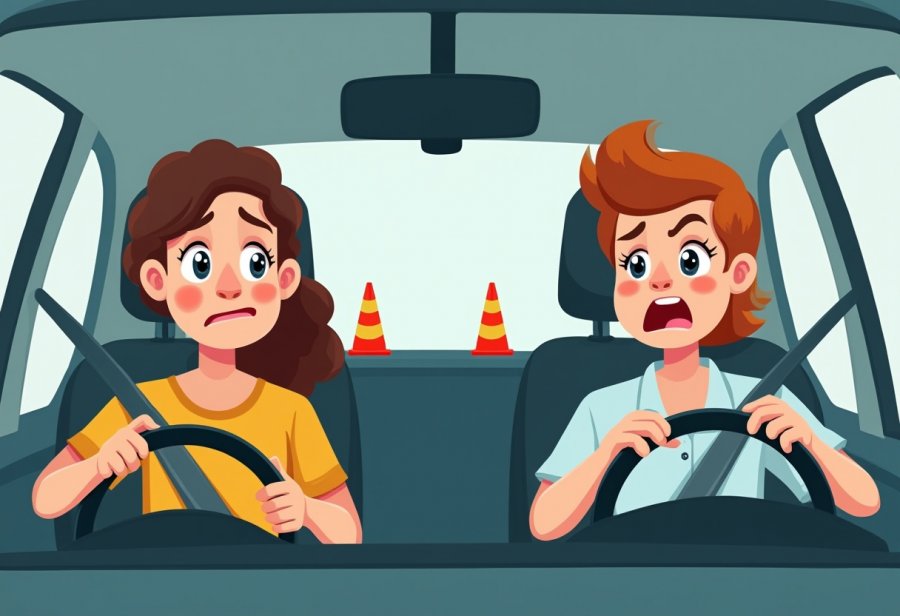
Step-by-Step Confidence Building: Practical Techniques to Overcome Teen Drivers’ Fears
Building confidence as a teen driver starts with small, manageable steps that gradually foster a sense of control and success. Practicing in quiet neighborhoods or empty parking lots allows teens to focus on mastering fundamental skills without the stress of heavy traffic. These low-pressure environments help them become comfortable behind the wheel and develop muscle memory for essential maneuvers like turning, stopping, and parking. As their confidence grows, they can slowly progress to busier streets, tackling more complex driving scenarios at their own pace.
Setting achievable goals plays a crucial role in confidence-building. Breaking down bigger tasks—like merging onto a highway or parallel parking—into smaller, clear steps makes progress feel more attainable. Celebrating each small victory boosts self-belief and keeps motivation high. For example, successfully navigating a tricky intersection or parking in a tight space reinforces their skills and reduces anxiety for future drives.
Visualization is a simple yet powerful technique. Before starting a drive, teens can picture themselves driving smoothly along their planned route, imagining each turn going well. This mental rehearsal reduces nerves and prepares their mind to focus on positive outcomes, making actual driving feel less intimidating. Combining visualization with deep breathing exercises can further calm nerves, especially during challenging moments.
When nerves creep in, adopting a growth mindset helps. Teens should view mistakes as part of the learning process rather than failures. When they hesitate or slip up, like missing a turn or braking late, reflecting on what went wrong and how to improve keeps them motivated. This attitude encourages patience and resilience, transforming setbacks into opportunities rather than sources of discouragement.
Support from parents and instructors is vital. Positive reinforcement, such as praising small successes and offering kind guidance, helps teens feel safe to experiment and learn. Clear, encouraging feedback from adults builds trust and motivates teens to push their boundaries without fear of judgment. Practicing in familiar, calm environments helps develop automatic responses, reducing hesitation and building steady confidence over time.
Consistency is key. The more teens practice, the more driving becomes second nature. Repetition in low-pressure settings turns initial nerves into natural reactions, making handling more complex situations easier. As they accumulate successful experiences, their belief in their abilities solidifies, and each new challenge feels less daunting.
Patience from everyone involved remains essential. Confidence doesn’t develop overnight, and setbacks are natural. Maintaining a positive, steady attitude creates a safe space for teens to experiment, make mistakes, and learn. Recognizing that confidence is built step-by-step helps teens stay motivated and see driving as an empowering milestone rather than a source of fear.
Team Effort in Confidence: How Parents, Instructors, and Teens Foster Safe Driving Mindsets
Building confidence in teen drivers works best when parents, instructors, and the teens themselves work together as a team. Parents set the tone by creating a supportive environment where practice feels safe and encouraging. Praising small successes and offering gentle guidance helps build trust and reduces the pressure teens might feel. This approach nurtures a growth mindset, making teens more open to trying new skills without fear of judgment.
Instructors play a key role by designing lessons that gradually increase in difficulty. Breaking complex tasks into manageable steps allows teens to build skills steadily. Providing positive feedback along the way reinforces progress and keeps motivation high. Recognizing improvements, big or small, encourages teens to view their efforts as valuable, boosting their confidence with each achievement.
Teens benefit greatly when they actively participate in their learning process. Setting personal goals, such as mastering parallel parking or driving confidently through busy streets, gives them a sense of control and purpose. Celebrating each milestone, no matter how minor, reinforces their belief in their abilities and helps transform anxiety into assurance. This sense of ownership makes the learning journey more meaningful and less overwhelming.
Open communication is essential. Creating a space where teens can honestly share their worries without fear of criticism fosters trust. When teens feel heard and understood, they’re more likely to voice concerns and seek guidance. Listening actively and validating their feelings encourages a positive attitude toward learning and helps them confront fears head-on.
Consistent practice in familiar, low-pressure settings is key to building automatic responses. Regular sessions in quiet neighborhoods or empty parking lots help teens develop muscle memory and reaction skills. These routines turn initial nerves into natural reactions, making handling more complex situations easier over time. Familiarity breeds confidence, gradually reducing hesitation and anxiety.
Patience from everyone involved is vital. Confidence doesn’t develop overnight, and setbacks are part of the process. Maintaining a calm, positive attitude creates a safe space where teens can experiment, learn from mistakes, and grow. When support remains steady and encouraging, teens are more likely to stay motivated and see driving as an empowering step toward independence.
Celebrating progress and effort keeps motivation high. Recognizing that mastery comes through persistence helps teens appreciate their journey. When parents, instructors, and teens share this mindset, it fosters resilience and a willingness to face challenges with a calm, confident attitude. This collaborative approach lays the foundation for safe, confident driving—and a lifelong knack for overcoming hurdles.

Beyond the First Drive: Nurturing Lifelong Confidence and Resilience in Young Drivers
As teens continue to develop their driving skills, the process of building confidence remains ongoing. Each successful drive reinforces their sense of control, transforming initial nerves into a natural part of their routine. Encouraging consistent practice and a growth mindset helps them see challenges as opportunities to improve rather than obstacles to fear. Over time, what once seemed daunting becomes second nature, paving the way for more confident, responsible driving.
Advances in technology are opening new avenues for supporting young drivers. Virtual reality simulations and interactive coaching programs allow teens to practice handling complex traffic situations in a safe, controlled environment. These tools can boost preparedness and reduce anxiety, especially when facing difficult scenarios for the first time. Combining these innovations with traditional lessons creates personalized learning experiences that foster resilience and confidence, making the road less intimidating.
Supporting internal struggles like self-doubt and anxiety requires ongoing patience and open communication. Parents and instructors should create a safe space where teens feel comfortable sharing their worries without judgment. Celebrating small victories and emphasizing effort over perfection builds a positive mindset, helping teens see setbacks as part of the learning process. Recognizing that nerves are normal and manageable empowers them to face their fears head-on, gradually turning anxiety into assurance.
Building emotional resilience is key. Teaching teens mindfulness, deep breathing, and stress management techniques equips them with tools to stay calm during stressful moments. These skills extend beyond driving, helping them navigate life’s broader challenges with composure and confidence. As they practice emotional regulation, teens develop a stronger sense of self-efficacy, which reinforces their belief that they can handle whatever comes their way.
By fostering continuous growth, patience, and support, families and educators lay the foundation for lifelong confidence. Each experience behind the wheel becomes a chance for self-discovery and empowerment, not just a step toward independence. When teens understand that confidence is built gradually through persistence and effort, they become more resilient, better prepared to face future challenges both on the road and in life. Their journey from nerves to confidence isn’t just about driving—it’s about cultivating a mindset that will serve them well well beyond their first license.